Beyond Compliance: Stewardship, Sovereignty, and the Future of Tribal Gaming
Tribal gaming approaches responsible gaming similarly to commercial gaming but there are some significant differences. With the evolution of gaming, Ivory Kelly, the founder and president of the Tribal Council for Responsible Gaming, says that compliance and preparation will be the hallmarks of tribal responsible gaming going forward.

Modern gaming looks nothing like it did a generation ago. The traditional casino floor now exists alongside mobile platforms, digital wallets, sports betting, social gaming, prediction markets, and engagement systems powered by increasingly sophisticated technology.
For tribal nations, that evolution raises questions that go far beyond technology or market share. Tribal gaming is not simply a commercial enterprise. It is an exercise of sovereignty and an economic engine that supports government services, employment, healthcare, education, infrastructure, culture, and community development.
That makes the responsibility surrounding gaming different, too.
Across Indian Country, tribal nations are already demonstrating what that responsibility can look like—from responsible gaming and self-exclusion initiatives across Washington State, to the work of the Yuhaaviatam of San Manuel Nation and the Nottawaseppi Huron Band of the Potawatomi through FireKeepers Casino Hotel, to collaborative models such as the Tribal-Wide Self-Exclusion Program (TWSEP).
These efforts point toward a larger question for the next era of tribal gaming:
Are we simply meeting the requirements of responsible gaming, or are we building systems capable of protecting our communities in the gaming environment that is coming next?
From Compliance to Stewardship
Compliance is necessary. Regulations, internal controls, self-exclusion programs, employee training, disclosures, and consumer protections form an essential foundation for responsible gaming.
But compliance is a floor, not a destination.
Stewardship asks us to look beyond whether a requirement has been satisfied and consider whether the systems surrounding gaming are actually serving the people they were designed to protect.
For tribal nations, we have an opportunity to approach that question differently because the systems surrounding gaming do not exist entirely outside our governments. Tribal councils, regulators, gaming enterprises, health systems, education programs, cultural leaders, and community organizations can all be part of the same conversation.
That does not mean every nation should build the same responsible gaming framework. Sovereignty demands the opposite: each tribe determines what works for its people and jurisdiction.
But sovereignty does not prevent collaboration.
Gambling-related harm does not recognize jurisdictional boundaries. A person may live in one community, work in another, visit several gaming properties, and interact with digital products that reach far beyond any single jurisdiction.
That reality creates an opportunity for tribal nations to share knowledge, identify effective practices, and build connections between systems without surrendering authority over their policies, programs, or data.
TWSEP was built around that principle. Today, participating nations include the Forest County Potawatomi Community in Wisconsin, the Tunica-Biloxi Tribe of Louisiana, and the Nottawaseppi Huron Band of the Potawatomi through FireKeepers Casino Hotel in Michigan. Each participates within its own jurisdiction and on its own terms, while contributing to a framework designed to make player protection more connected across Tribal gaming.
The program is still growing, but that is precisely what makes the model worth watching. It demonstrates that collaboration does not have to mean centralization. Tribal nations can work across jurisdictions while maintaining authority over their own policies, participation, and data.
We do not have to choose between sovereignty and collaboration. We can use one to strengthen the other.
What If Responsible Gaming Started Earlier?
There is another boundary we should be willing to challenge: when responsible gaming begins.
Traditionally, most responsible gaming interventions begin once someone becomes a gambling customer. We provide disclosures and educational materials. We offer limit-setting tools. We establish self-exclusion programs. When gambling becomes harmful, we connect people to treatment and recovery resources.
All of those interventions matter.
But by the time today’s young people reach a casino floor or legal gambling platform, many will already have spent years interacting with digital systems that contain elements increasingly difficult to distinguish from gambling.
They are growing up with loot boxes, in-game purchases, social casinos, sports betting advertisements, influencer promotions, prediction markets, and digital platforms engineered around reward, repetition, and continued engagement.
So perhaps the next evolution of responsible gaming does not begin with gambling at all. Perhaps it begins with understanding the environment surrounding it.
Financial literacy should be part of that education, but it is not enough. Young people also need digital literacy, gambling literacy, media literacy, and an understanding of risk and design. They should know why certain systems feel rewarding, how advertising can change perceptions of risk, how algorithms influence what they see, and how the line between gaming and gambling can become blurred.
And this cannot simply be adults lecturing young people about technology. We need to listen to them.
Young people often understand digital environments in ways the adults building policy around them do not. If we invite them into the conversation—as participants rather than simply recipients of prevention messaging—they can help us identify emerging risks, understand how these products are actually being used, and design education that speaks their language.
That changes prevention entirely. Instead of waiting for harm and building another intervention downstream, we begin building knowledge upstream.
The Seventh-Generation Question
Tribal gaming has transformed communities. It has strengthened economic independence, funded essential governmental services, created opportunities, and allowed nations to exercise sovereignty in ways generations before us fought to preserve.
Responsible gaming does not challenge that success. It protects its longevity. And perhaps that is the question Indian Country should be asking as gaming enters its next era.
Not simply: Are we compliant?
But: What are we preparing the next generation to inherit?
If gaming technology continues evolving at its current pace, the young people sitting in our classrooms today will inherit an environment we cannot completely predict.
We cannot build every protection they will someday need. But we can give them something more durable: knowledge, awareness, cultural grounding, and the ability to recognize risk for themselves.
And we can build tribal systems willing to learn, adapt, collaborate, and respond as that environment changes.
Sovereignty gave tribal nations the authority to build gaming on our own terms. The next chapter is deciding how we use that authority to protect its future.
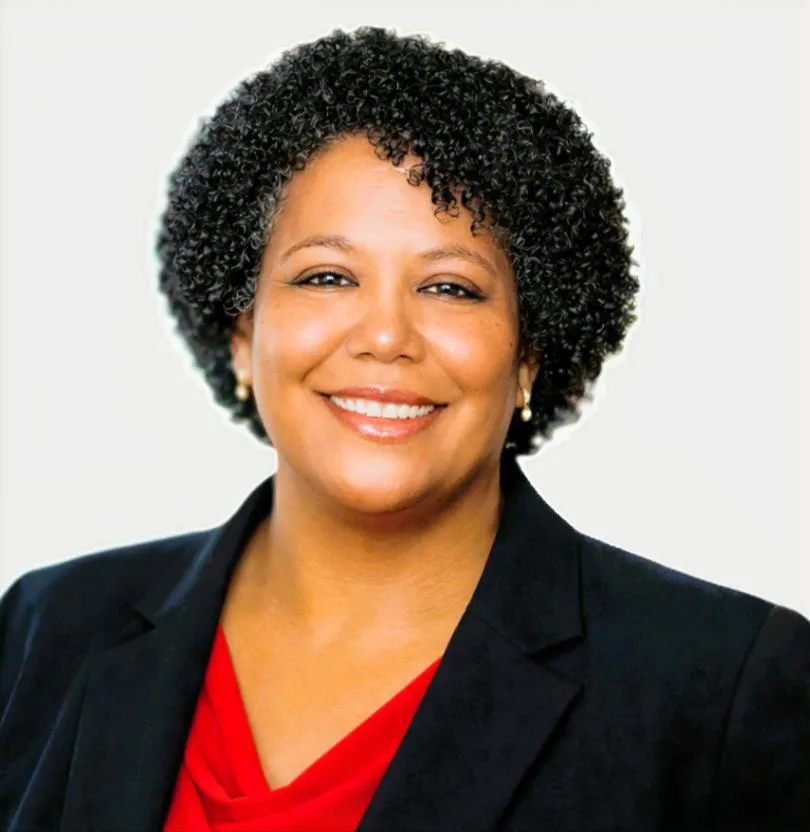
Ivory Kelly is the Founder and President of the Tribal Council for Responsible Gaming (TCRG), a Native-led nonprofit advancing sovereign, culturally grounded approaches to responsible gaming and player protection. Her work focuses on tribal collaboration, self-exclusion, youth prevention and education, and the development of responsible gaming frameworks that center on tribal sovereignty and community well-being.