Atlantic City Redux
With the debut of the first of three New York City casinos, the threats to surrounding jurisdictions are real. Boardwalk casinos must have a plan
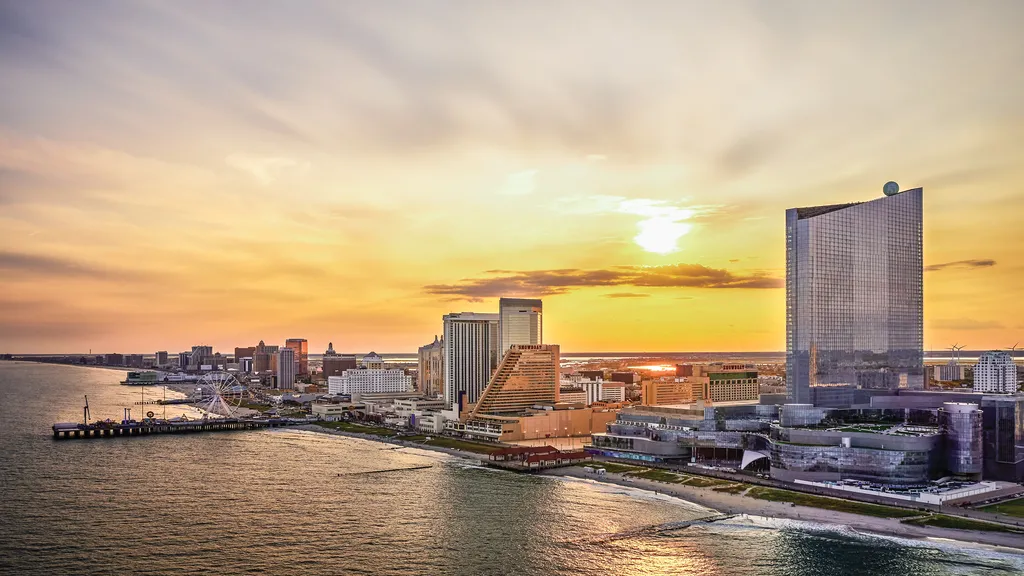
Atlantic City is still the second largest jurisdiction by revenue in the gaming industry, according to the American Gaming Association, with $2.9 billion in gross gaming revenue (GGR). New York City—with two racinos in Queens and Yonkers—registered the fifth largest GGR at $1.6 billion on the AGA scale, but that’s bound to increase.
In 2025, New York approved three full-blown casinos on the boundaries of New York City: Resorts World New York City, the former Queens racino, owned by Genting Malaysia; Metropolitan Park, adjacent to Citi Field in Queens, a Hard Rock property owned largely by New York Mets owner Steve Cohen; and Bally’s, on the former Trump Golf Course in the Bronx. When fully operational sometime after 2030, these three casinos will far surpass Atlantic City’s revenue, and likely cut into it sharply.
This is the story of how Atlantic City should be preparing. Only one casino now operates in New York City—Resorts World (New York regulations do not allow temporary casinos). So Atlantic City has at least four years to get ready before Metro Park and Bally’s also open.
City Side
Let’s go back to pre-casino days for New Jersey’s biggest tourist attraction. Atlantic City, a struggling seaside resort through the 1950s and ’60s, needed something to revive its fortunes in the 1970s. Casino gambling was seized upon as the golden goose. At that time, there was only one legal gaming jurisdiction in the United States—Nevada—and no mechanism to legalize gaming outside a constitutional amendment.
In 1974, a New Jersey referendum failed because it gave the state the option to put casinos anywhere, with local approval. In 1976, a separate referendum that limited gaming to Atlantic City passed handily. Less than 18 months later, the first casino, Resorts International, opened. It was wildly successful, as were 11 other casinos that followed.
The legalization of casinos first in Delaware, then Pennsylvania, slammed Atlantic City casinos in the early 2000s. In 2007, AC properties posted collective GGR of more than $5 billion. But within a few years, it was less than $3 billion. So the concern is that New York City casinos will deplete even more GGR from Atlantic City’s nine remaining casinos.
Jim Allen, chairman of Hard Rock International, with properties in both Atlantic City and New York City, says Atlantic City could lose 25 percent to 30 percent of its revenue. Others say up to six casinos could close as a result.
Since full-scale gaming is already operational in Atlantic City casinos, there’s not much the city can do to compete with New York on that level—particularly if NYC casinos capture some of Atlantic City’s premium players. It’s the resort experience and special events that must improve to continue to bring visitors to the Boardwalk.
“We’ve got to revitalize Atlantic City, and do it now”
Mark Giannantonio, President and CEO, Resorts Atlantic City
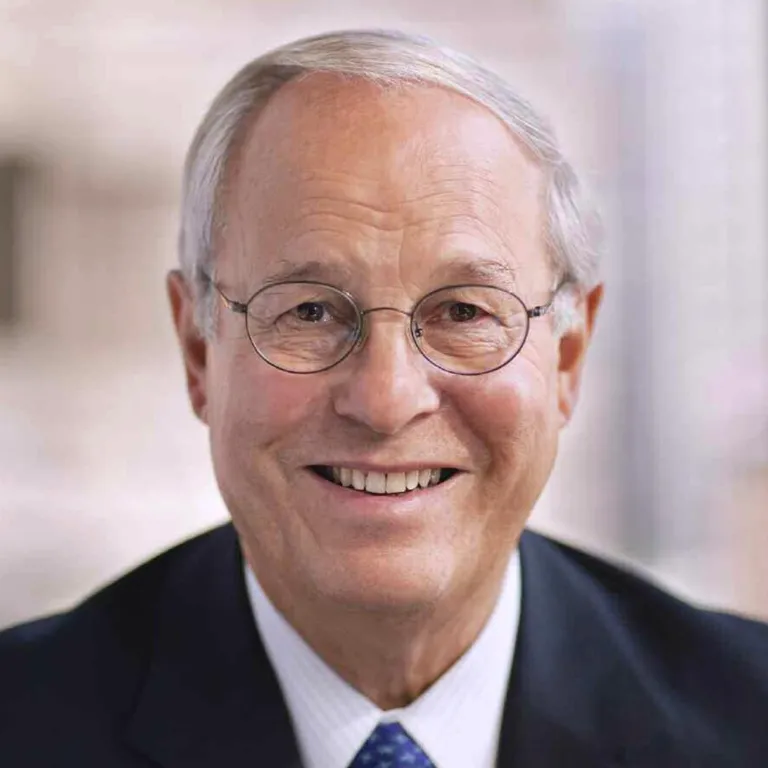
George Goldhoff is the president of Hard Rock Atlantic City and was recently appointed president of the Casino Association of New Jersey, which represents all nine casinos. He points to a report that the CANJ made to then-governor Chris Christie in 2011. It highlights 12 “must-haves” for the city at that time.
“The report said for Atlantic City to be successful, these things must happen,” Goldhoff explains. “But the top two items—clean up the blight and make the city safe—are still being accomplished. We still need a lot of enthusiasm and effort around these items.
“I’d like to see the building codes enforced more strictly,” he continues. “I’d like to see beautification happening in our parks. I’d like to see this blight being reduced. I’d like to have a plan and understand what that plan is, with goals that must be completed. It would help to have a safe, walkable entertainment district. Let’s start from Pacific Avenue towards the beach and build from there.”
Marty Small was appointed mayor of Atlantic City in 2019 following the resignation of a previous mayor for corruption. Small was elected to a partial term in 2020 and re-elected to a full four-year term in November 2025. He serves under a mandate imposed in 2016 by which the state controls the city’s finances. Small doesn’t believe the sky is falling.
“I remain optimistic,” says Small, whose catchphrase is “It’s a great day in the city of Atlantic City.”
“I don’t think it’s going to be as bad as people think,” says the mayor. “Iron sharpens iron, and at the end of the day, we have to make sure we have our house in order.” Small says he understands the importance of the casino industry to Atlantic City and is working together with industry leaders.
“One of the lessons we learned from Pennsylvania and Delaware is that it’s impossible to compete with convenience”
George Goldhoff, President, Hard Rock Atlantic City and Casino Association of New Jersey
“I pledge to the casino industry, we’re going to do the things from a government side to make sure that we keep Atlantic City clean and safe,” says Small. “This administration has invested a quarter-billion dollars in infrastructure that’s going to affect and impact the main roads leading to the casinos. Atlantic Avenue will be completely paved by Christmas,” he says, of the city’s main thoroughfare. Pacific Avenue, which runs parallel to the Boardwalk, “will be started in the fall. We’re going to work together to beautify the city as much as we can. The crime stats are declining year by year. We want to show that Atlantic City is clean and safe, and becomes the city we know it can be.”
All Together Now
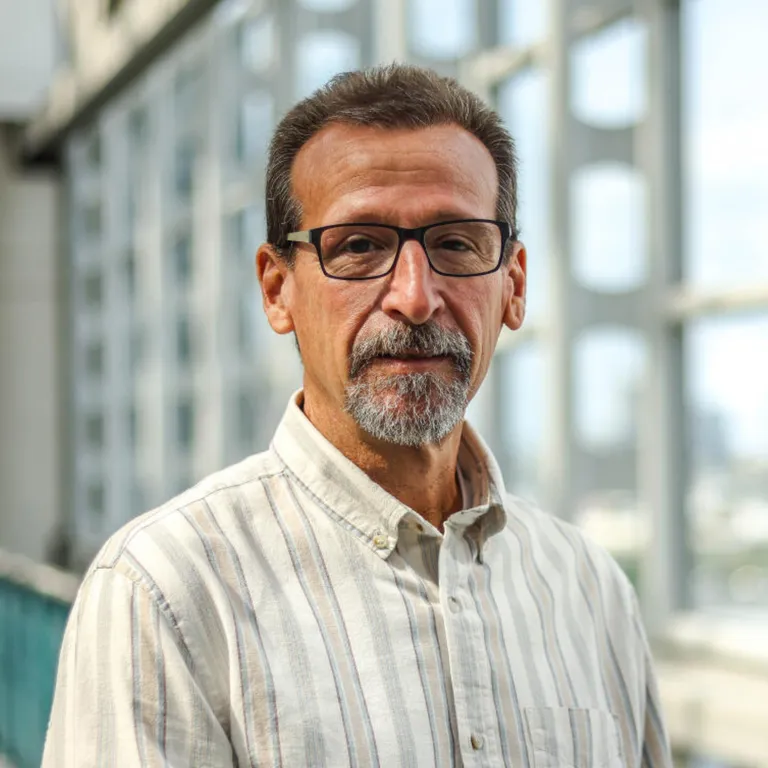
Gary Musich leads Visit AC, the all-encompassing agency that handles marketing, tourism, and meetings and conventions in Atlantic City. Musich has a long history with the meetings business in Atlantic City with experience at several local casino hotels. He says efforts are well under way to prepare for the impact of the NYC casinos.
“We actually started that process a year and a half ago, when Visit Atlantic City acquired all the marketing assets and took responsibility for branding, messaging and marketing the destination,” Musich says. “It’s not just the meetings trade. We took the leisure piece as well and started building on that. We started preparing and built that out to be a resource for visitors of all types.”
James Plousis has been chairman of the New Jersey Casino Control Commission since 2019. He has been in charge throughout the growth of online sports betting and also during the pandemic. He knows that special circumstances must be in place to fend off challenges from New York casinos.
“We’ve been monitoring (Resorts World New York City) since it opened last month,” Plousis says. “New York does weekly numbers, so we’ve been able to track that. We thought they would be higher, so that’s positive for Atlantic City. Of course, I think some people just want to see the new building. I don’t know if they will all end up being customers.
“Atlantic City dodged a bullet by (New York) not having casinos in Manhattan,” Plousis adds. “Getting to Resorts World in Queens can be a challenge, so that’s the true advantage we have. Listen, we have four years to ramp up and make sure we get Atlantic City to be a true destination. That’s what we have to do to be competitive.”
Immediate Impact
Brian Carr is a veteran casino executive who most recently was president of Wind Creek in Bethlehem, Pennsylvania; he helped make the transition from Sands Bethlehem when the property was sold by Las Vegas Sands to the Poarch Creek Tribe of Alabama. Carr believes New York City casinos will impact casinos in northeastern Pennsylvania as much if not more than those in Atlantic City. After visiting RWNYC and Wind Creek in June, he says it’s already having an impact.
“I’ve seen (RWNYC) firsthand and it was amazing,” he says. “It’s sure to have an impact on Atlantic City and Pennsylvania. When I used to run Bethlehem, we pulled heavily out of Queens, and I saw a lot of the same players that I’ve known over the years when I went to Resorts World. So it’s definitely pulling from Queens. I expect a pretty sizable impact when the (monthly) numbers come out.”
The experience at RWNYC “was really good,” Carr says. “They had very strong baccarat play. The table limits started at $50 minimums. I don’t know how great they’re doing on staffing. They did have some tables open, but at least half were closed. But they’re just ramping up. My guess is they’re probably getting staffing more in line because drop has increased by more than 40 percent in four weeks. That’s pretty impressive.”
Bob DeSalvio is president of Genting New York, a division of Genting Americas, which operates all the Resorts World properties in the U.S. DeSalvio is in charge of RWNYC, Resorts World Catskills, Resorts World Hudson Valley and Resorts World Bimini in the Bahamas. He says the numbers for RWNYC have skyrocketed since the transition from a VLT (video lottery terminal) parlor to a full-blown casino. With only 2,500 slot machines (RWNYC had more than 5,000 VLTs), the win-per-machine in May was more than $1,200—an unheard-of figure in an industry where $300 a day is considered good.
“I was actually a little worried that we’ve got such a loyal customer base that they’re going to say, ‘Where’s my old VLT?’” DeSalvio laughs. “But when we opened up this world of new equipment, I can’t remember a single customer saying he wished he had his old VLT back. This product is just so much better. It was a very smooth transition for the slot customers.”
And that’s not even counting the introduction of table games, which showed increases each week in May as more dealers were hired and more tables opened. DeSalvio has placed all the tables on the third floor, with very few slot machines. He says customers are pleased with the placement.
“I’ve had people who usually play in Vegas tell me this is the best atmosphere for table games they ever encountered,” he says. “Because there are very few slot machines on that level, players can concentrate on the game and not have to be distracted by lots of mechanical noises or disruptive slot players.”
“I’ve had people who usually play in Vegas tell me this is the best atmosphere for table games they ever encountered”
Bob DeSalvio, President, Genting New York, on the new gaming floor at Resorts World New York City
An additional threat to Atlantic City is the renewed push to legalize casinos at two North Jersey racetracks, the Meadowlands and Monmouth Park. Although a 2016 referendum was rejected by New Jersey voters by a 4-1 margin, an effort is under way again.
The introduction of casinos in New York City has revived those discussions, though recent polls show voters are still not in favor of the plan. But in the background, there’s a push for video lottery terminals at the racetracks in the form of historic horse racing machines (HHRs), which only need passage by the legislature and don’t require a constitutional amendment, sources tell GGB. Stay tuned for more information on this move.
Solid Solutions
So what can Atlantic City do to fend off the threat of New York City gaming? There is a variety of opinions.
CCC’s Plousis says getting everyone on the same page is step number one. “We need a unity of purpose,” he says. “We need to make sure there’s a synergy with everybody and do that in a unified effort.”
He also believes that a milestone in New Jersey history can also provide a positive spin. “We’re already gearing up for the 50th anniversary of gaming in Atlantic City, which is next year,” Plousis explains. “And the feedback we’ve gotten has been terrific—from the casino industry, from Local 54 (Unite Here), from the community in general and from Stockton University. That will give us a good opportunity to highlight all the jobs that have been created, all the homes and vehicles that have been bought, all the children that were sent to colleges because of the casino industry and also all the money that the Casino Revenue Fund has invested in senior and disabled programs and senior transportation and prescription plans.”
“There have been a lot of positives that the industry has done that people don’t realize,” he says. “And the 50th anniversary will give us an opportunity as regulators, as well as the industry and the community, to point out the benefits of that have been provided over the last 50 years.”
Small believes Atlantic City is already on the upturn and points to a series of housing developments that were announced and launched over the past year. “That’s what separates Atlantic City from everyone else,” he says. “When I first became mayor, the word was the CRDA (Casino Reinvestment Development Authority) was out of the housing business, so no one would spend their private money to invest in Atlantic City.
“But the numbers and facts don’t lie. We’ve got national reputable developers working in Atlantic City now, from K. Hovnanian to the Kushners, and now MGM. The city has all the momentum in the world. We’re working with all of our stakeholders and partners, and that’s why we’re going to continue to make it a great day here in the city of Atlantic City.”
Goldhoff believes Atlantic City has to emphasize the things that make it different from the casino down the road, across town or over the bridge.
“One of the lessons we learned from Pennsylvania and Delaware is that it’s impossible to compete with convenience,” he says. “People will drive a few miles down the road to play their favorite slot machine, but when it comes to an experience, they want more than just gambling. That’s why lots of them will choose Atlantic City. We have the Boardwalk, we have the beach. We have a number of casinos. We have world-class entertainment. We have the best restaurants, we have the best hotel rooms.
“And quite frankly, the tax rates in New York are elevated compared to New Jersey. Therefore, we can offer our players more free play and promotional gaming chips. We can offer them a hotel room. We can get them tickets to some of the best shows in the world. We can put them on a golf course. We have world-class shopping. So it’s a different experience.”
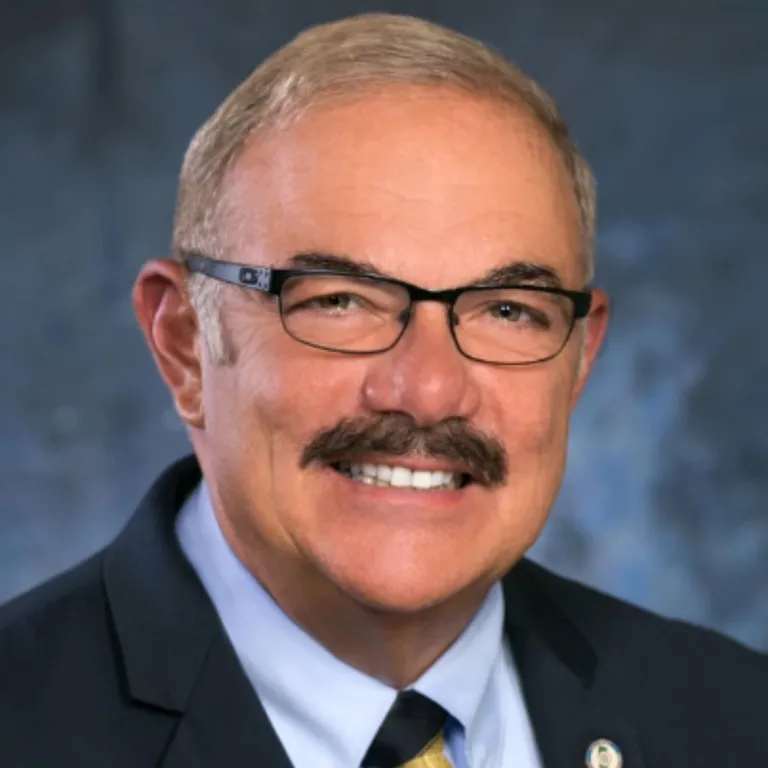
Mark Giannantonio, president and CEO of Resorts Atlantic City and recent past president of CANJ, is also positive. At the East Coast Gaming Congress in April, he told the audience the way to meet all the new challenges is a concerted effort to refurbish Atlantic City itself—a public/private partnership to demolish abandoned buildings, add amenities and generally transform the city into the long-promised true destination resort.
“We’ve got to revitalize Atlantic City, and do it now,” Giannantonio said. “I believe we can grow the market by 30 percent to 40 percent.”
Even DeSalvio believes Atlantic City can not only survive, but thrive.
“Each one of the markets in the Northeast U.S. has its own unique attributes,” he says. “In Atlantic City, you’ll never replace the beach and the Boardwalk. I worked in Atlantic City for 18 years. All the casinos have great qualities and hopefully by us opening (in New York), it spurs properties to think about what they’re going to do next. What’s the next feature they want? Who’s opening a new beach bar? Who’s got another celebrity chef coming in? Who’s working on a different twist for the nightclub business? Who’s focusing on the convention business?
“I think as these properties open up in the region, everybody has to up their game. If they do that, I don’t think New York casinos will be a big deal for the regional market.”
To hear and view the full interview with DeSalvio on a GGB Podcast, visit GGBMagazine.com.
First Mover Advantage
Resorts World New York City has big plans for its integrated resort, all the while conducting gaming four years ahead of its local competitors, writes Roger Gros
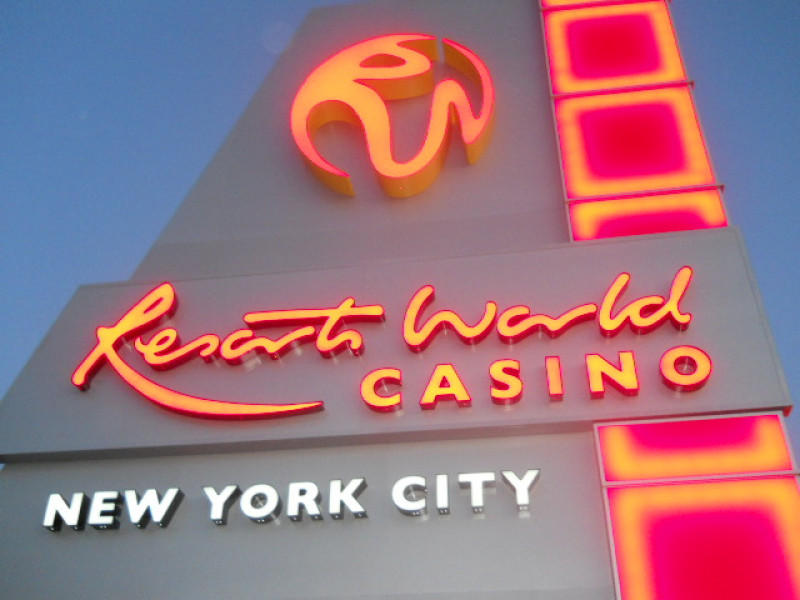
They called it “slots in a box” when Resorts World New York City (RWNYC) first opened 15 years ago, after every major gaming company passed on the opportunity. The late Genting founder Sri Lim Goh Tong and his son, current chairman Lim Kok Thay (KT Lim) had a dream to operate the world’s leading casino in New York City. And RWNYC was the first step.
What seemed like a crippling tax rate, plus a complicated regulatory process and convoluted operational procedures, became non-issues when Resorts World proved to be the gaming facility with the largest GGR in the U.S. by a long shot. So when New York state decided almost a decade ago to issue casino licenses in the “northern and southern tiers” of the state, Genting was first in line.
It won a license in the northern tier, the Catskills, but it was less than successful. Enter Bob DeSalvio, an operator with extensive experience in the eastern region of the U.S.—including 12 years in Atlantic City, and stints as GM at properties in Pennsylvania and Massachusetts. He is now president of Genting New York.
Best Bids
DeSalvio’s experience with communities in the region paid off in spades. New York City’s onerous licensing process produced zero resistance from local groups, whereas other bids went down in flames because of community opposition. DeSalvio is proud of that support.
“For 15 years, we’ve been in complete lockstep with the local community,” he says. “When they need help, we support local charities. When Hurricane Sandy came, we were a respite for all the chaos that was going on around here. And because of that relationship, when we held two public hearings as part of the RFA (request for applications) process, there were 108 speakers at two public hearings. Not a single person was opposed to our project. It was gratifying to sit there and listen to all these people talk about how we have impacted their lives. Experts told me they have never heard of that in the history of large scale development in New York.”
The chaos continued as the licensing process resolved itself. RWNYC opened less than two months after receiving a license. But the state would not allow the previous VLTs to operate alongside regular slot machines, and DeSalvio didn’t want to shut down to make the transition. So at midnight on April 27, the VLT parlor closed. And at 8 a.m. the next morning, the newly minted Resorts World New York City casino opened to the public.
“We started out by renovating our second floor, long before the licensing process was concluded,” he says. “We reorganized and redecorated, then swapped out the VLTs, brought in the new commercial slots, and did a fairly quick conversion on the second floor. We worked with all the manufacturers, and we literally put in 2,500 of the latest and greatest games in a few weeks.”
The property’s always-underutilized third floor became the table game level, DeSalvio says. “We put in 242 tables, and then have about 85 slots just around the perimeter of the third floor.
“We never had tables here, for 15 years. Our players came in and remarked about how amazing it was to have that many tables in an area with relatively few slots. So they felt very comfortable immediately that it was a table house.”
Table game minimums started at $50, even in the mornings, and progressed throughout the day. RWNYC held its own dealers’ school and hired experienced dealers as well. DeSalvio confirmed reports that the company guaranteed a certain level of tips (tokes) for the dealers.
“People were moving into an area that is not inexpensive. We felt that they would need some certainty in terms of income. So we did put in a minimum guarantee and also a very good base rate salary. I think that gave them the comfort, and that’s probably why we had such a big uptake.”
Future Perfect
It won’t take long for RWNYC to expand. With casinos in the second and third floors, the ground floor is being renovated to include a massive sportsbook that will extend through the first and second stories, operated by FanDuel. That renovation debuted at the end of July. Special themed slot rooms designed by the various slot manufacturers were added, along with an expanded food court and more restaurants.
“We think this market is incredibly underpenetrated”
Bob DeSalvio, President, Genting New York
Future plans include a Crockfords Hotel, the luxury brand that Genting has worked with in its Singapore and Las Vegas properties. The existing Hyatt hotel will be rebranded as Resorts World, but will continue the Hyatt relationship with its “Unbound” collection of hotels.
“The Crockfords Hotel is the epitome of luxury,” DeSalvio insists. “We’ll have more gaming areas, more restaurant spaces, a spa, a day club… We will become really a truly top-notch integrated resort.”
That development will take approximately three years to build out, he says. “We want to build it as quickly as possible. This way we can operate while we’re building the new building. It’s literally right next door, and we attach one to the other. The whole idea was to have as minimal disruption as possible.”
Taxing Issues
Part of the bidding process required the applicants to suggest a tax they would be willing to pay, and Genting recommended a higher tax of 56 percent on slots and 30 percent on tables—much higher than its competitors. DeSalvio says that was done on purpose.
“When we were putting together our final recommendations as part of the RFA process, we thought about that long and hard. We offered the state basically a better tax scenario while we were still in a monopoly position for commercial casinos downstate.
“However, we did put in the RFA ‘most favored nations clause,’ which basically said, when the other guys open, we expect that in order to have some normalcy in the market that our rate would go down. But we were willing to offer more while we were in a monopoly position. We thought that was the best way to put our best foot forward in order to win one of the licenses. We do think, though, that it will come down when Metropolitan Park or Bally’s opens. Then we’ll be on an even playing field with the others.”
In Pennsylvania, the higher tax rate of 55 percent on slots could have made it difficult to complete with New Jersey, where an effective tax rate of 9.25 percent on all gaming prevails. But unbeknownst to New Jersey operators, Pennsylvania casinos were able to write off marketing expenses, making it much more completive when it came to cash-back and promotions. New York won’t have that advantage to a large extent.
“The state of New York allows us to write off no more than 15 percent,” says DeSalvio. “That’s inclusive of free play, match play, free rooms… any sort of those programs combined. We’re allowed to take some credit for that, but certainly not at any significant level.
“Today we’re probably below that level because it’s still new and people are earning their rewards points as part of the process. But I think New York was thoughtful about it. They wanted to make sure that we had enough in the system so we could take care of customers, but not go too far out there where it could really hurt and spur unnecessary marketing wars. I think New York state got that right.”
Running Start
With the Hard Rock/Metropolitan Park project still in the design process and Bally’s juggling several major projects in Chicago and Las Vegas, RWNYC has a significant head start. DeSalvio says he doesn’t want to waste that time.
“Don’t forget, we have 15 years’ prior experience,” he says. “We have a very loyal database already. Then we’re going to have another four years or five years, however long it takes to build those facilities.
“What do we want to do? We want to cement our relationship with our customers and our employees. That’s really the name of the game. We’re going to build as fast as humanly possible. That’s why we’re jumping on that construction. That’s why you saw table games in action here four months after we received the license. Why? Because every day is another day that we get the opportunity to cement that relationship with the customer and with our employee base. And every extra day I get is important. We’re going to move very quickly here to develop the full integrated resort.”
Even when the other properties open, DeSalvio is confident the numbers will remain strong at RWNYC.
“The beauty of it all,” he says, “is the depth of this market. It’s incredible. Why do I say that? Because even after the first month of operation, of course we’re continuing to study what’s happening in the area. I found it really interesting.
“Year over year in May, MGM at Empire City was up. Wind Creek was up. Mount Airy was up. Atlantic City was down, but not by a lot, and it was really just a few properties. Again, this is only one full month that I’m talking about, but I thought it was very interesting that Catskills, Hudson Valley, Wind Creek, Mount Airy, Jakes 58, MGM, were all up.
“We think this market is incredibly underpenetrated. So I’d be thrilled if all of our competitors in the surrounding areas are doing well, and we’re hitting the numbers that we had hoped for. This will be amazing for everybody.”