Alan Feldman

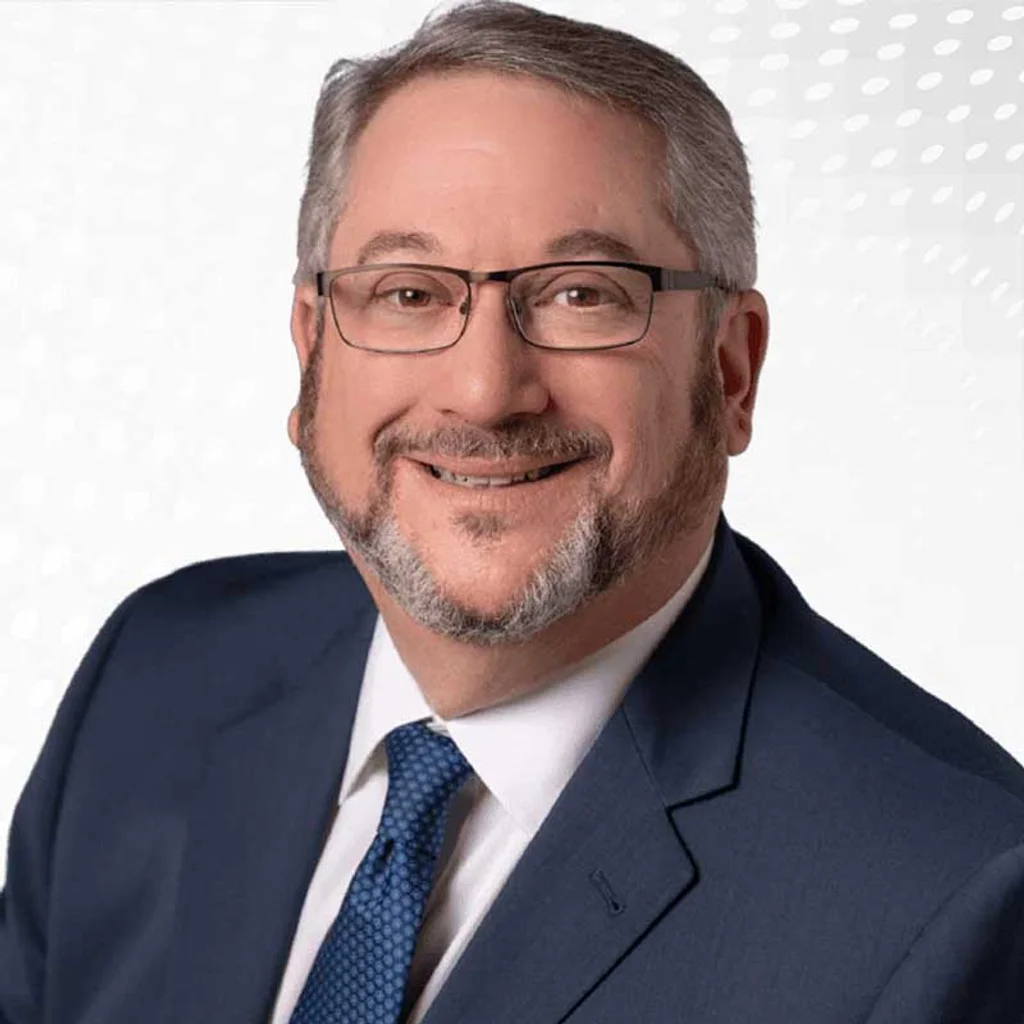
Alan Feldman spent years in the public affairs sector of the gaming industry, first with Mirage Resorts and later with MGM Resorts International. In October, he was inducted into the American Gaming Association’s Gaming Hall of Fame. In his dual roles at the International Center for Responsible Gaming and the International Gaming Institute at the University of Nevada, Las Vegas, he continues to influence policy and operations in the gaming industry. He spoke with GGB Publisher Roger Gros in the boardroom of the IGI at UNLV in November. To hear this interview, visit the podcast article.
GGB: Congratulations on being inducted into the Gaming Hall of Fame. That’s some accomplishment for a PR guy.
Feldman: Thank you so much. It was both awkward and humbling for me. I feel as though I’ve had a front-row seat to these last 35 years, and have had the privilege of meeting and working with, or at least getting to know, quite a few members of the Hall of Fame—never once in my wildest dreams thinking that I’d be part of that group.
Tell us how you got involved in gaming.
Completely by accident! I worked for a PR firm in Los Angeles, and it turns out that Steve Wynn had hired a PR firm, was dissatisfied with them and terminated them, and then went asking for another recommendation. So one day the boss comes out of his office, and says, “Feldman, we’re going to Las Vegas.” A few days later we arrived in Las Vegas in late September 1989, and we met with Steve and Elaine Wynn. For six hours we talked. I still hadn’t seen the plans for the Mirage. But I can tell you that the city they were describing was completely different than what was here at that time. They knew that it appealed to only a sliver of the traveling public. Even on opening day of the Mirage, Steve said, if this business model works, a whole bunch of other folks are going to come to town, and look what happened. We ended up completely transforming the town.
The Mirage closed earlier this year, and there was a lot of people citing the memories they had of the property. What’s your special memory?
For me, it will always come back to the people, the employees who were there. Being physically at the Mirage every day, I’d never worked with people who were that consistently interested in helping and being supportive and wanting to raise the bar on the quality of what they were doing. The disparity between Las Vegas hospitality and any other city in the world came absolutely ringing through. I love the people of the Mirage.
When MGM bought Mirage it was a shock, and you became the head of public affairs for the combined companies. Was that the time you first became involved with responsible gaming?
That started pretty early on, in part because development was becoming more and more important in the early ’90s. It was an amazing time with the rapid growth of the industry. For Mirage, we were looking at other opportunities. We were in Mississippi, Connecticut, Florida, Vancouver, British Columbia, trying to work on various opportunities. But it didn’t matter where we were, problem gambling came up at every meeting, and it usually came up first. At that time there was very little known about it. And even within the psychological community, there was pretty strong disagreement about what exactly this was. But the federal government still doesn’t acknowledge it. So we were on our own as an industry, and the only way to do this was to find a way for the industry to pull some resources and then step back from it and not be engaged. That became the National Center for Responsible Gaming, now the International Center.
How do you think the ICRG is contributing to the cause of responsible gaming?
From day one, the message was clear. You’re going to put the money into a pot, and then scientists will take over from there, and we’ll see you later and tell you how it turned out. The thing that I find the most interesting is that no one has been able to point to any work that ICRG has ever done that has been influenced by the industry, despite the fact it was done with industry money. And the results of work that we’ve been doing in the U.S., through ICRG and other means of doing research, have turned out to match the results that we’re seeing in other parts of the world.