5 Questions: Buddy Frank
5 Questions with Buddy Frank, Principal and CEO, BF Slot Strategies
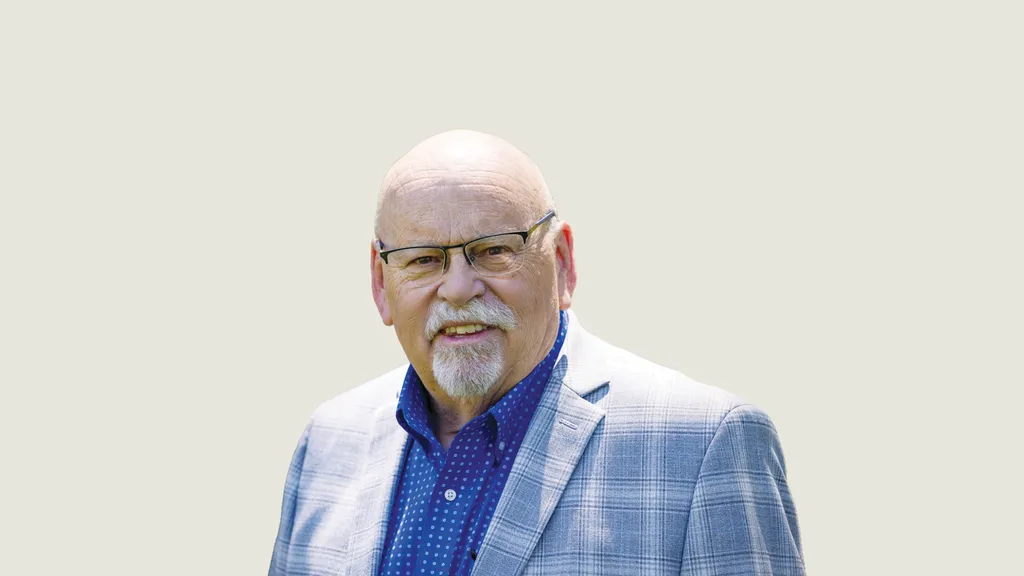
Buddy Frank is one of the industry’s most sought-after slot consultants. He is principal and CEO of BF Slot Strategies, a consultancy he formed following a distinguished 35-year career in slot operations, from several Northern Nevada properties to California, where he retired after nearly nine years as VP of slot operations at Pechanga Resort and Casino. Frank was inducted into the EKG Slot Awards Hall of Fame in 2023. He spoke with GGB Editor-in-Chief Frank Legato on the current state of the slot sector from his office in Reno in June. To hear a full podcast of this far-reaching interview, visit GGBMagazine.com.
GGB: You retired from your executive position at Pechanga nearly 10 years ago. What is the most significant change on slot floors since then?
Buddy Frank: One of the biggest was the change in lease or premium games. When I left, it was rare for anyone to have 8 percent of their floor as leased games, and pretty much every CEO in the country, along with all slot directors, hated participation machines. The only reason we kept Wheel of Fortune is all the customers wanted it. That has changed dramatically now. The average now across the country is 15 percent. And the only reason that happened is because the machines are just really good, and customers love them.
Do you feel there’s been a general tightening of slot floors—lowering the overall return to player? What has led to that?
In a word, greed. Early in my career, the dollar slot machine was king, and pretty much across the industry, the (hold) percentages were 3, 4, maybe 5 percent in the dollar slots. As denominations lowered down to the nickels and quarters, that advanced to maybe 6 percent or 7 percent. But then pennies came along and everybody went, “Oh, pennies—in that same model, they should be a little bit tighter.” Suddenly, the wagers were $15 but the odds still stayed tight. And of course, corporate CFOs love that—more money in the bank.
You’ve been vocal in disagreeing with recent university studies that claim players don’t notice when payback percentages are tightened. Can you comment on that?
(UNLV Professor) Anthony Lucas is sort of my nemesis on this issue. I really respect him as a researcher, but he did a study that says you can tighten your slots and it’s imperceptible to the player. Well, I’ll agree that you or I or any individual playing the slot can’t detect the change (at first). But when something decreases your time on device and costs you more money, it’s going to add up someday. And I think it’s been negative for our industry.
You’ve been a champion of low-hold video poker, which has disappeared from many casinos. Why has this happened, and why do you advocate offering full-pay video poker?
Do you remember that word I mentioned earlier, greed? I think that’s the problem with video poker. Video poker is a great game. Let’s say the industry average (house hold) on your video poker is 3-4 percent compared to the slots that are 6, 7, or 8 or 9. It’s still a good bargain. But the CFO looks at it and says, why don’t I put in more Buffaloes because they’re going to hold 7 or 8 percent? The problem is the video poker player wants to play video poker because he enjoys it. There’s a small skill element in there. Great time on device. If you don’t have video poker, they’ll go play someplace else.
What are the most important developments that will ensure a healthy slot sector in the future?
One is something I was really encouraged to see. In Vegas in the old days, I’d do surveys and the average age was 50, slightly more women than men… Something happened with Covid. It forced young people to discover that casinos are fun and there are human beings there instead of just AI bots. So, for the first time ever, our average age is drifting down to 45 or so. I think we have to be conscious of that and make sure we don’t portray ourselves in the old models.