The Role of Government in the Promotion and Implementation of Responsible Gambling in Macau

Responsible gaming has been a focus for the legal gaming industry in Macau since it was promulgated in 2000. Professor Davis Fong, the director of the Institute for the Study of Commercial Gaming at the University of Macau, explains how RG is structured in Macau and how the government efforts are bearing fruit.
Responsible gambling thrives in a well-regulated environment where gambling causes no harm, or where any harm is minimized to a socially acceptable level. Beginning in 2009, Macau adheres to the principle of “shared responsibility.” Since then, responsible gambling is not solely the responsibility of gamblers but requires the involvement of five key stakeholders, each with specific duties: the government, gaming operators, gambling disorder prevention and treatment centers, educational institutions and community organizations, and gamblers (including their families and friends).
The government directs and implements responsible gambling policies, providing the overarching framework and regulatory oversight.
Gaming operators create a responsible gambling environment within their establishments and ensure that patrons have the information and support needed to make informed decisions. Gambling disorder prevention and treatment centers promote awareness, prevent, and treat gambling disorder.
Educational institutions and community organizations promote awareness of responsible gambling and instill values such as proper attitudes toward money, financial responsibility, healthy hobbies, active community participation, and a sense of belonging. These values collectively help reduce the risks of excessive gambling and promote a culture of responsible gambling. Academic institutions conduct research, providing evidence-based insights to guide responsible gambling policies, promotion strategies, and treatment approaches.
Ultimately, gamblers make informed decisions and act responsibly toward themselves, their families, friends, and society. Family members and friends encourage loved ones who are struggling with gambling to seek professional help. Through shared responsibility, the five stakeholders collectively work to build Macau into a responsible gambling city.
Government Involvement
While all stakeholders are vital, this article focuses on the key role of the Macau government in fostering responsible gambling.
The government doesn’t simply regulate; it actively shapes the responsible gambling landscape through proactive policies and initiatives. It implements responsible gambling policies, supervises, and coordinates other stakeholders to ensure they fulfill their respective duties in advancing responsible gambling.
A major initiative of the government is the enactment of new laws designed to control gambling behavior and ensure a responsible environment. These initiatives include raising the minimum casino entry age from 18 to 21 to protect young people from early exposure to casino gambling; allowing individuals to self-exclude from casinos to enable those struggling with gambling to limit their gambling activities; permitting family members to request exclusion for loved ones to empower families to intervene and support those at risk; prohibiting casino employees from entering casinos during non-working hours to minimize the risk of exposure to gambling; requiring responsible gambling implementation by all gaming operators to ensure that responsible gambling practices are integrated into all aspects of casino operations; and combating illegal gambling, lending and currency exchange activities for gambling to protect residents from the risks associated with unregulated gambling. Meanwhile, to ensure proper implementation of the laws, the government issues detailed instructions requiring gaming operators to establish internal codes and procedures for promoting responsible gambling.
Understanding that awareness is the first step towards promoting the culture of responsible gambling, the government prioritizes public education on the topic. Each year, the government establishes a specific theme and leads other stakeholders in organizing and promoting responsible gambling, ensuring a focused and consistent message that resonates with the public.
Meanwhile, the government has installed responsible gambling kiosks or stations in every casino and throughout Macau, offering readily accessible responsible gambling resources and timely support when needed. Furthermore, the government has developed mobile applications and interactive games designed to educate the public about responsible gambling in an engaging and informative manner.
Learning Roles
The government tailors education to different population groups to ensure they understand their roles and obligations in building a responsible gambling city. It organizes a variety of certificate courses and workshops for social workers and psychological counselors, equipping them with the knowledge and skills needed to provide professional treatment services. Additionally, the government offers certificate courses for members of the responsible gambling taskforce and frontline management staff of gaming operators.
These courses ensure consistent messaging about responsible gambling while equipping participants with the necessary knowledge and skills to effectively promote responsible gambling to patrons and provide appropriate assistance in gambling venues. Furthermore, the government educates students on proper attitudes toward money, financial literacy, character development, civic awareness, and healthy interests. This instills values that promote responsible decision-making throughout their lives. To strengthen promotion in this regard, the government provides parents with consistent messages.
Networking Works
Beyond education, the government supports community organizations in establishing networks that prevent residents from developing gambling disorder. These organizations promote responsible gambling, raise awareness about the risks of gambling disorder, organize activities to foster healthy interests, and encourage social engagement to combat isolation and enhance well-being. This multi-faceted approach aims to address the root causes of gambling disorder and build a resilient community. Key targets of these activities include young people, gaming employees, and their families.
For individuals suffering from gambling disorder, the government provides direct counseling services and has commissioned a community organization to offer 24/7 instant telephone and online support and assistance.
For the purpose of monitoring the effectiveness of responsible gambling initiatives and identify areas for improvement, the government has established metrics to assess the responsible gambling programs and services of gaming operators and treatment organizations. The government also provides improvement plans and conducts follow-up assessments as needed, ensuring continuous improvement and accountability.
Last but not least, the government regularly commissions academic institutions to monitor changes in gambling behavior and awareness of responsible gambling among Macau residents. This not only enables the government to track the effectiveness of promotional efforts but also allows it to adjust future plans accordingly.
Statistics demonstrate significant progress: gambling participation has decreased from 67.9 percent in 2003 to 30.1 percent in 2022. The prevalence of gambling disorder, assessed using DSM-5 diagnostic criteria, was 0.45 percent in 2022, a significant decrease from 4.3 percent in 2003 (assessed using DSM-IV criteria). On the other hand, responsible gambling awareness increased from 16.2 percent before the promotion launched in 2009 to 64.9 percent in 2023. These results indicate that the government has successfully led other stakeholders in collectively promoting responsible gambling in Macau.
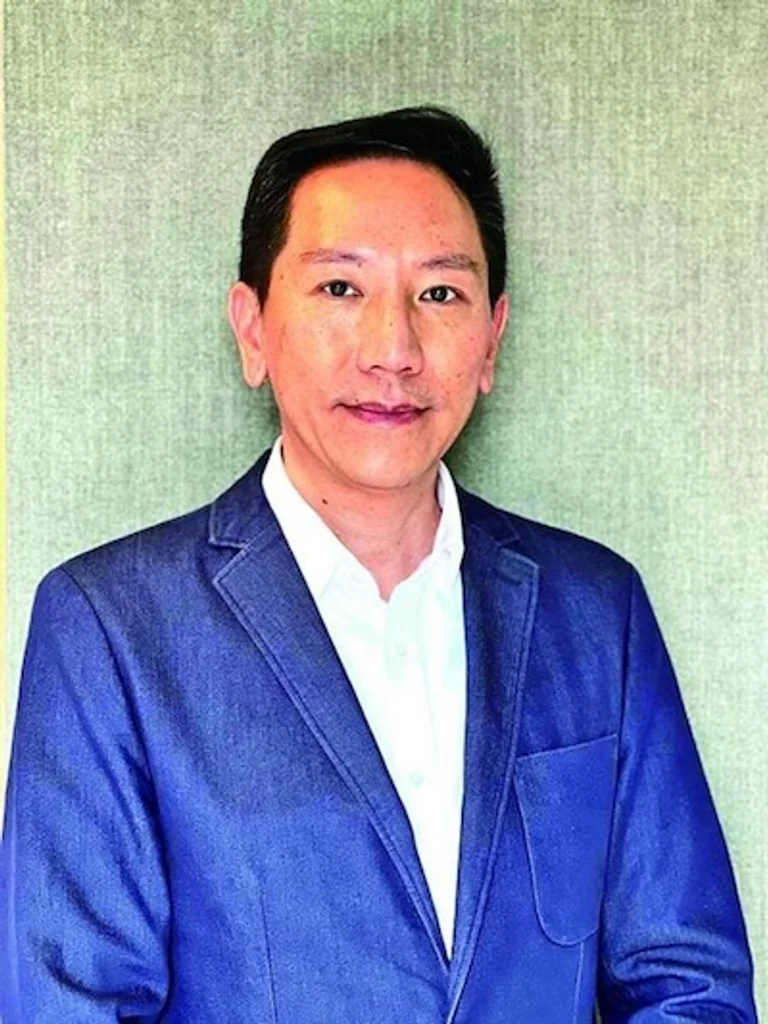
Professor Davis Fong is Director of Institute for the Study of Commercial Gaming and Faculty of Business Administration, University of Macau