
The End of Prevalence

Studies that purport to note the prevalence of problem gambling have been going on for decades. A variety of developments over that time have rendered them almost useless. Dr. Nathan Smith, the executive director for the Kindbridge Research Institute, explains why this has occurred and how to use more dependable strategies to identify problem gamblers.
This September marks the second Responsible Gambling Education Month since the retirement of Christine Reilly from the International Center for Responsible Gaming.
For those of you who know Chris, I don’t need to tell you what an important figure she’s been to the field of gambling addiction research for nearly three decades. For those who don’t know Chris, she is almost certainly the most important person in the field that you’ve never heard of.
Her fingerprints are on everything from the addition of gambling disorder to the addiction section of the DSM-5 to our modern understanding of prevalence, comorbidity, and treatment modalities.
Personally, Chris was the first person who gave me a job in the field, and I often reflect on the lessons I learned from her during seven years sharing the same office.
One thing Chris often told me when I first began working with her was to focus on doing the best job I could of interpreting the science and getting it right, and let her worry about everything else. In addition to being a master class in managing early-career employees, this focus on getting to the truth, regardless of the consequences, has guided my work for more than 15 years.
It is with these words in my mind that I write today.
I regret to inform you, politicians, legislatures, advocates, and friends, that the population-prevalence era of gambling addiction is over.
Of course, it may well have been over when Howard Shaffer wrote similar words two decades ago, but I can assure you it certainly is now.
Howard’s words two decades ago did not stop states and national groups from continuing to run, and crucially pay for, many prevalence studies since then. But with this opportunity to speak my mind to the greater field, I believe it’s critical to explain why this has happened and what we should do instead.
As context, prevalence is a way of measuring and describing a disease or condition at the population level. It often is describes with the population measured, the condition examined, and the percentage rate of that condition within the population. If you’ve ever heard something like “10 percent of Americans have experienced depression in their lifetimes,” that’s prevalence.
The problem with prevalence studies in modern America is that they rely on the people who answer the questions (the sample) to be representative of the population in general. With the rise of cell phones, declining trust in institutions, the disappearance of landlines from many homes, and numerous other factors, the representativeness of these samples has become increasingly questionable.
For one obvious example, political polls, which tackle a much simpler problem, routinely miss election results by 5-10 percentage points or more. The problem of identifying people with a highly stigmatized mental health condition is exponentially more difficult, and the low prevalence rate means that missing by 5 to 10 percent translates to either missing everyone with the disorder or potentially overestimating by 5 to 10 times.
Despite this fundamental change in survey reliability, “we need a prevalence survey” remains one of the most common requests I hear from legislators, advocates, and regulators.
Believe me, as someone who spent four years earning a PhD in psychiatric epidemiology (the exact training needed to conduct high-quality prevalence surveys), it pains me that we cannot produce accurate information from these surveys today. What pains me more is seeing so many inaccurate, unreliable prevalence studies proliferate in our field and, crucially, drive policy and regulatory decisions.
The truth is, conducting a high-quality prevalence survey in today’s environment requires spending at least a few million dollars in most states. And that investment doesn’t guarantee useful results, it merely gets you in the game. More often than not, states that have invested in these surveys receive subpar results rather than high-quality, reliable information.
There’s an old poker saying: if you can’t spot the sucker at the table within 20 minutes, it’s you.
I find this analogy uncomfortably relevant to our current situation.
But to take a lesson I’ve learned from being the father of two children under five, don’t say no without providing an alternative.
“No, you can’t have ice cream at 9 a.m., but you can have fruit or a cheese stick.”
So let me offer you some alternatives, even though I know what you really want is a prevalence survey.
One: Switch focus from prevalence to surveillance. While these are different constructs designed to solve different problems, our inability to conduct high-quality prevalence work creates an opportunity to focus on surveillance instead. Surveillance aims to provide accurate, timely information about how much harm is occurring and where within a locality. In Massachusetts, we’ve spent the past year working on a harm surveillance program that integrates publicly available data, gambling expenditure data, infoveillance from sources like Google searches, helpline calls, online site visits, and other data streams to create a responsive system that ensures public health resources reach the most timely and impactful locations.
Two: Studies on specific vulnerable populations. At Kindbridge Research Institute, we’ve invested significant time and resources studying military members and veterans, but you could focus on whichever vulnerable population aligns with your budget and expertise. Obvious choices might be youth, people from historically marginalized communities, LGBTQIA+ people, or many others.
Three: A focus on advertising. The changing legality of sports betting and the dramatic shifts in the advertising landscape that followed create an excellent target for in-depth research. This includes not only the commonly seen TV and radio advertisements, but also the myriad ways gambling is being advertised directly to consumers through online platforms, streaming services, targeted ads, and other emerging channels.
In the years since Chris told me to focus on doing good work and let her handle everything else, I’ve moved from that protected role to one where it’s now my job to worry about those broader challenges.
In this role, I’ve come to understand that the people making these tough funding decisions are often choosing between imperfect options, trying to do the most good with limited resources.
This September, as we reflect on RGEM, let’s commit to moving beyond the failed promise of population prevalence studies. The stakes are too high, and the resources too precious, to continue down a path that no longer serves our mission of reducing gambling harm.
The era of prevalence may be over, but the era of smarter, more targeted research is just beginning.
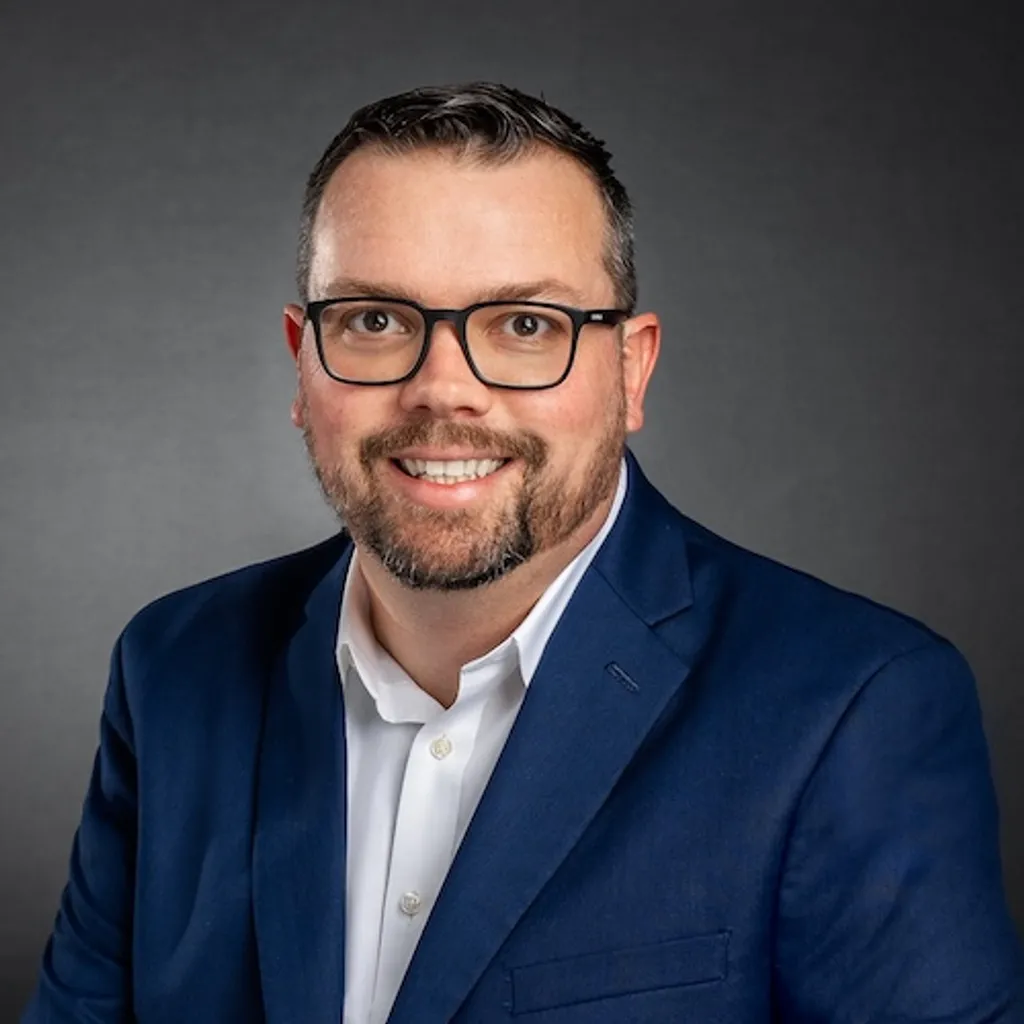
Dr. Nathan D. Smith is the founding Executive Director of Kindbridge Research Institute, a nationally recognized scientist and science communicator, and a leader in the field of behavioral addiction research and theory. His work reflects a belief in the power of simple, direct methodological approaches to understand complicated human phenomena, and an unwavering focus on producing practical solutions to real-world problems, Each year, Dr. Smith travels throughout the U.S. to give scientific and public talks on mental health and addiction, meet with leaders in the science and politics of mental health, and oversee the many Kindbridge Research Institute projects taking place throughout the United States. He makes a special effort to balance his time between meeting with scientific experts, and experts with lived experience of addiction. Dr. Smith holds a PhD in Psychiatric Epidemiology from the University of Florida, a master’s degree from Harvard University, and a bachelor’s degree from Azusa Pacific University. He lives north of Boston with his wife and two sons.