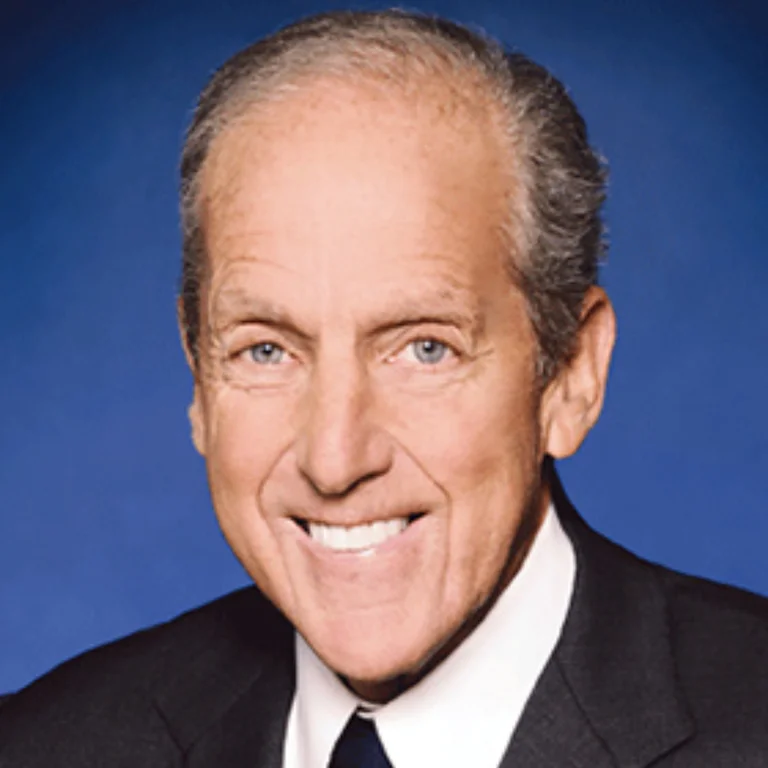
Ramiro Atucha


With more than 20 years of experience in the gambling sector, Ramiro Atucha founded Atucha Strategic Advisory last year, and works with operators, suppliers and investors across the LatAm region. Speaking to Kyle Goldsmith of Global Gaming Business in February, Atucha explained the landscape in Brazil, uncertainty surrounding land-based casino legalization and the recent launch of Kalshi into the market.
GGB: When do you think land-based casinos will be legalized in Brazil?
Ramiro Atucha: It’s difficult to predict. Brazil has a complex institutional framework, with overlapping responsibilities across federal, state and municipal levels, which often makes regulatory processes slower and more challenging. If we look at how long it took to regulate online gaming, it’s reasonable to assume that land-based regulation may still take time. While progress is possible, I would remain cautious about expecting it in the near term.
Do you think politicians can sometimes base their strategies on gambling on emotion rather than evidence and data?
I do think that, in some cases, decisions may be influenced by perception instead of data. From an economic standpoint, the most effective way to maximize tax collection is to ensure that as much activity as possible takes place within the regulated market. That requires not only enforcement but also a framework where regulated operators can compete effectively with the unregulated offer. Achieving that balance is key.
How do you think Kalshi’s launch in Brazil will go?
Brazil presents a complex regulatory environment, with certain areas where interpretation, overlaps and enforcement are still evolving. That context simplifies new types of offerings that may look for ways to position themselves within the existing framework. It will be interesting to see how this develops, particularly given the strong engagement of younger audiences in Brazil and the potential appeal of alternative formats.
What did you think of the ban on betting among social welfare beneficiaries in Brazil?
It’s more a philosophical debate on how much the state can tell the people what to do with their money. If you ask me, if you’re on welfare, then it makes sense not to spend money on gambling. It’s the same principle that you shouldn’t be going on vacation and buying unnecessary items; your priority should be on fixing your current situation. (But) even if we all agree that this money should not be spent on gambling, enforcing that and limiting that is challenging, and may fall into many other contradictions.
How will the upcoming election in Brazil impact the gambling sector?
In Brazil, it’s very difficult to predict how it’s going to go. I see the right wing as a lot friendlier towards individual freedom (and) individual liberties, a bit more against taxes, and a bit more about respecting commercial terms, while left-leaning ones are more prone to increasing taxes and subjecting the individual decisions more to what they would consider to be the greater good. Now that regulation is in place, I believe a right party would be better for the gambling sector.