Ownership Shuffle

Caesars Entertainment and MGM Resorts International look at potential takeovers
By Jess Marquez and Matt Rybaltowski
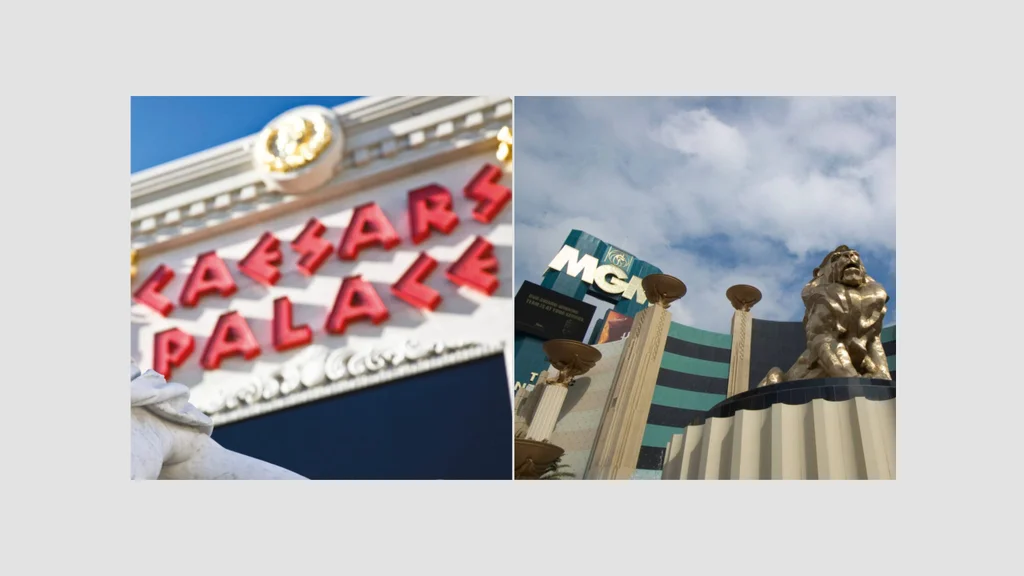
Caesars Entertainment and MGM Resorts International, two of the largest casino operators in the world and the dominant players on the Las Vegas Strip, are mulling new ownership as proposals for the most monumental M&A proposals in years surfaced within a single week last month.
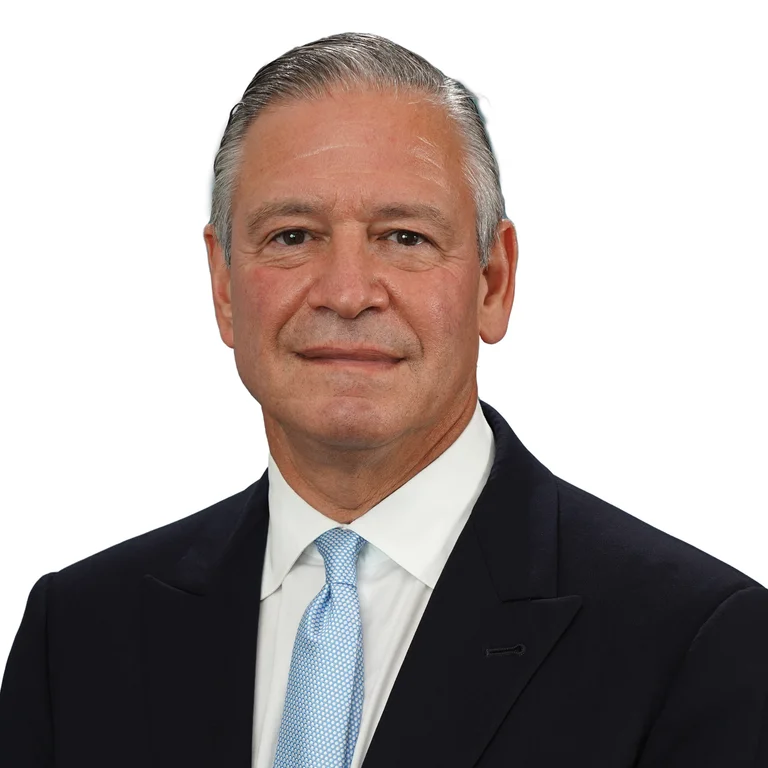
After weeks of intense speculation, casino mogul Tilman Fertitta entered into a definitive agreement to acquire Caesars Entertainment for more than $5.7 billion in a transformative move that could alter the landscape of the Strip for decades.
Houston-based Fertitta Entertainment, which operates more than 600 locations across 36 U.S. states and 15 countries, will pay Caesars shareholders $31 per share in an all-cash transaction. The deal is valued at approximately $17.6 billion, including the assumption of approximately $11.9 billion of Caesars’ outstanding debt.
Fertitta, one of the world’s richest entrepreneurs, owns the Golden Nugget casinos and is the largest shareholder of Wynn Resorts. Outside gaming, he owns the restaurant chain Landry’s and the NBA’s Houston Rockets, among other assets. When Fertitta was confirmed as U.S. ambassador to Italy in April 2025, he resigned as CEO of Landry’s Inc. In Fertitta’s place, he appointed his wife, Lauren Fertitta, but her public corporate and regulatory visibility has been negligible so questions remain about who will speak for the company as regulatory approvals loom.
Fertitta also owns a vacant plot on the Las Vegas Strip that was approved for a casino but has not yet been developed. In 2022, he purchased the 6.2-acre site on the southeast corner of Las Vegas Boulevard and Harmon Avenue for $270 million.
The current agreement includes a “go-shop” period through July 11, under which Caesars may negotiate alternative acquisition proposals from third parties.
Game of Monopoly?
While Caesars’ shares are down nearly 75 percent over the past five years, the negotiations with Fertitta have provided a lift. Before the discussions, Caesars traded around $17 a share in February, falling to a post-Covid low.
The mogul had been in talks to acquire Caesars for $7 billion, the Wall Street Journal reported in March. Fertitta reportedly fought off a competing bid from billionaire Carl Icahn’s investment firm.
The transaction will be financed through a combination of equity contributed by Fertitta Entertainment, assumed Caesars’ debt, and new committed debt financing arranged by a group consisting of 10 banks, according to the company.
Caesars’ board of directors has signed off on the sale and recommended that shareholders approve the agreement. It appears that prominent Caesars executives, including CEO Tom Reeg and CFO Bret Yunker, will remain in their current roles.
Nevada’s Carano family gained a minority stake in Caesars Entertainment in July 2020 when their company, Eldorado Resorts, completed a $17.3 billion acquisition of the casino giant. The family, which has about a 5 percent stake in Caesars as of this writing, agreed to roll a portion of their equity interest into Fertitta’s business.
Given Fertitta’s extensive holdings, the transaction may receive antitrust scrutiny from the Federal Trade Commission. But if completed, the deal will rank among the largest casino purchases in U.S. history.
The more likely regulatory scrutiny concerning Caesars will come in New Jersey, where the operator already owns Caesars Atlantic City, the Tropicana and Harrah’s Atlantic City. Fertitta’s Golden Nugget Atlantic City would become the company’s fourth local casino.
The New Jersey Casino Control Act includes a clause prohibiting “undue economic concentration” of the casino industry by a single company.
While the law does not specify the number of casinos one entity may own, over the years the Atlantic City market has shrunk from 12 casinos to nine. And the two other times one entity owned four AC properties, the concentration didn’t last long. In the mid-1980s, the Trump Organization divested its controlling interest in Resorts International before opening the Trump Taj Mahal. And Caesars sold Bally’s Atlantic City in 2020, shortly after Eldorado Resorts acquired Caesars.
Fertitta may also face a similar situation in Nevada, where he is the largest shareholder of Wynn Resorts at around 12 percent. Should regulators consider a similar economic concentration concern on the Las Vegas Strip, they could require Fertitta to divest that holding or sell some properties currently owned by Caesars in order to approve the deal.
Diller Aims for MGM
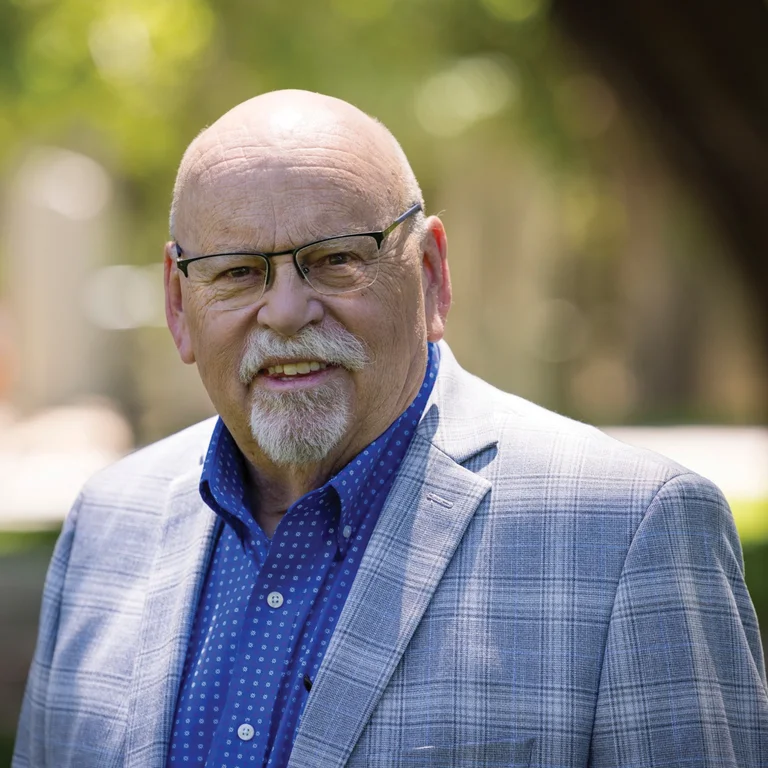
Within days of the Caesars proposal, it was announced that media mogul Barry Diller, currently the largest shareholder of MGM Resorts International, had tendered an $18 billion buyout offer for MGM’s remaining shares.
Diller’s People Inc., the largest digital and print publisher in the U.S., announced it had offered MGM $48.30 per share for the 74 percent of shares it doesn’t already own, valuing the business at about $18 billion. MGM quickly confirmed receipt of the offer without committing to any timelines or next steps.
Diller began investing in MGM in 2020. He has grown the stake since, because he “believed it represented a rare kind of business: one with real-world assets that AI cannot easily replicate or disintermediate and exceptional digital growth opportunities,” according to a statement released June 1.
“We continue to believe the market materially undervalues the power and durability of MGM’s assets,” Diller said in the statement. “We believe MGM’s management team is superb, and that there is a compelling opportunity to support MGM’s next phase of growth and help unlock its full value.”
Caesars and MGM share similarities that Fertitta and now Diller seem to be in positions to capitalize on. Both companies’ share prices had mostly languished over the past year or so, influenced heavily by struggles in Las Vegas.
The speculation surrounding the two deals has pumped both stocks—MGM traded below $40 for nearly two years before the Diller offer, and has settled at $48 as of this writing. Caesars, which Fertitta will acquired for $31 per share, was below $30 for about a year before the deal rumors raised it back above that level.
Both companies are also wide-ranging in Las Vegas, in that they cater to all price points from value to premium. Luxury and value segments have done well, benefitting companies such as Wynn and Red Rock. However, middle and lower tiers have been up and down, proving difficult for Caesars and MGM to manage.
In Q1 this year, MGM posted its first year-over-year gains in Las Vegas since 2024, but that gain was just $4 million on $2.2 billion in revenue, and adjusted EBITDAR fell 8 percent. Caesars, meanwhile, had flat Las Vegas revenue with a 2 percent adjusted EBTIDA decline.
Notably, both operators missed out on downstate New York casino licenses last year, which analysts feel could become the second-biggest U.S. market outside of the Strip. MGM voluntarily withdrew upon reaching the final stage and Caesars was denied by its community advisory committee.
Despite the challenges in Las Vegas, there are other appealing segments for both companies. Caesars’ digital business has long been its biggest growth driver, and its adjusted EBITDA increased 60 percent YoY in Q1. MGM’s Macau business has been its standout, delivering Q1 revenue of over $1 billion. Its upcoming Japanese resort in Osaka will also drive more traffic to the region.
Las Vegas Fortunes Up
The backdrop of both deals is a solid start to 2026 for Las Vegas, at least from a gaming perspective. Three of the first four months of the year have been positive for the Strip, and its running fiscal year total is currently 1.2 percent ahead of its pace year-on-year.
Clark County as whole, which includes the Strip, Downtown and the locals market, is 1.7 percent ahead of its performance at the same point last year.
The travel and tourism side has been less positive, as visitation has declined YoY in 14 of the last 16 months, including in April. Air traffic to Harry Reid International Airport has declined YoY in each of the first four months of the year, and its running total is 5 percent behind last year’s pace.
Macquarie gaming analyst Chad Beynon noted the positive gaming figures in April and Q1, but stressed caution for the market. In a research note on the monthly results, Beynon wrote that he is “waiting on more positive data points and perhaps another positive quarter to get more constructive on Vegas.”
Despite these headwinds, Diller and Fertitta have decided that now is a good time to strike, before new construction and a renewed event calendar potentially spark more growth. The market had a record-setting stretch of performance from 2021 to 2024 before declining slightly in 2025. In future years, the construction of projects such as Hard Rock Las Vegas, Bally’s mixed-use development and the A’s baseball stadium are expected to bring new energy to the Strip, coupled with a steady stream of large-scale events like the Super Bowl, F1, College Football Playoff and March Madness.
NBA Connection
For MGM and Diller specifically, the potential for a Las Vegas NBA franchise is also an interesting consideration. NBA governors voted in March to approve Las Vegas as a potential expansion site, and a final decision could come later this year. This short window to establish a foothold there could be an inspiration behind the offer.
MGM and Diller are co-owners of T-Mobile Arena along with Bill Foley, owner of the Golden Knights NHL franchise. The arena is the only facility in the city that could host NBA games, and already hosts the league’s NBA Cup tournament finals. Major renovations could be required before a team moves in, but given the league’s expected timeline of a 2028 debut, it’s looking increasingly likely that T-Mobile would be the home court, at least for now.
“T-Mobile is part of that conversation; whether it’s short-term or long-term, all roads lead to it for now… so we’re intimately involved in those conversations,” MGM CEO Bill Hornbuckle said on the Q1 earnings call. MGM has been “asked how we would position T-Mobile for any and all bidders” and there has been “extensive interest,” he said.
Notably, Fertitta already owns an NBA franchise, the Houston Rockets, and has recently purchased the Connecticut Sun of the WNBA that he will move to Houston next year. There has been speculation that the billionaire could pursue a Houston casino complex should Texas legalize the sector. If that occurs, Fertitta’s first casino in the Lone Star State could bear the Caesars brand. The Adelson family, founders of Las Vegas Sands, own the Dallas Mavericks franchise and have pursued a casino there as well.
Analyst Reactions: Ho-Hum
Despite the bump in share prices for both companies, the initial reactions to both deals appear somewhat muted. Following the Caesars deal, Macquarie’s Beynon cited “modest IRR and limited upside absent a low-probability interloper” and lowered its price target to $31, in line with the offer, while downgrading to a “neutral” rating.
“CZR transitions into a merger-arbitrage profile, with the stock expected to trade modestly below the $31 headline price, driven by timing (closing likely into ’27) and regulatory approvals,” Beynon wrote. “Near-term focus will be on go-shop outcomes, though expectations remain tempered.”
On the MGM side, Seaport’s Vitaly Umansky said the operator totes “a displaced stock with an over-focus on Las Vegas performance” and a low valuation “due to its OpCo/PopCo structure.” Umansky had positive sentiments on MGM China, however, adding that Diller could divest it along with the Japan segment if a deal is struck.
“While we have had a Neutral on MGM due to concerns around Las Vegas and OpCo valuation, the buyout proposal likely is low and could potentially be done at a somewhat higher price,” he wrote.
“We do not expect a deal to close at a materially higher price than the latest trading price, assuming there is a deal to be had (and in fact the current bid may not be acceptable to the independent board members or MGM shareholders), we maintain a Neutral rating on MGM.”