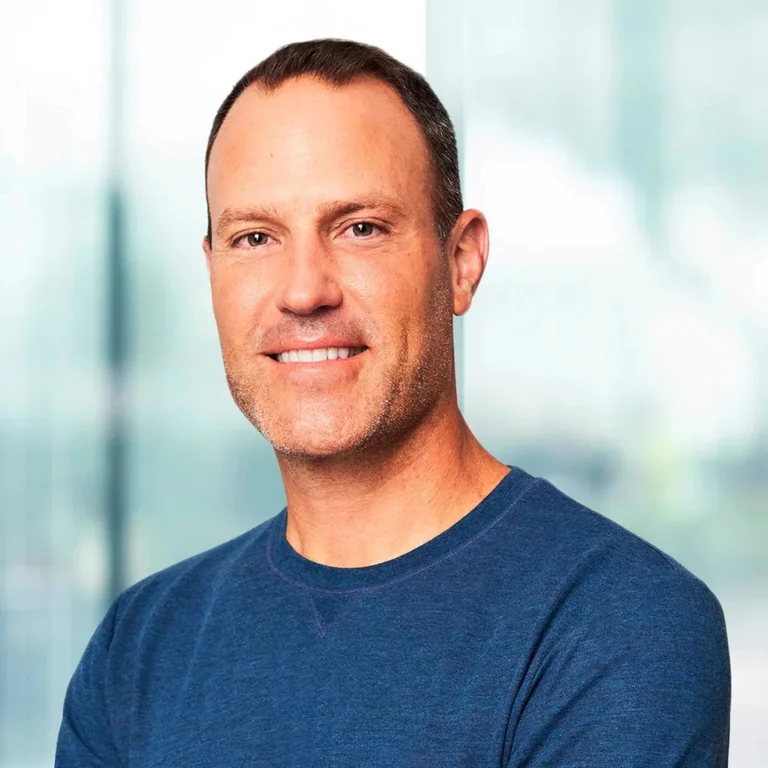
Dan Lee

President & CEO, Full House Resorts
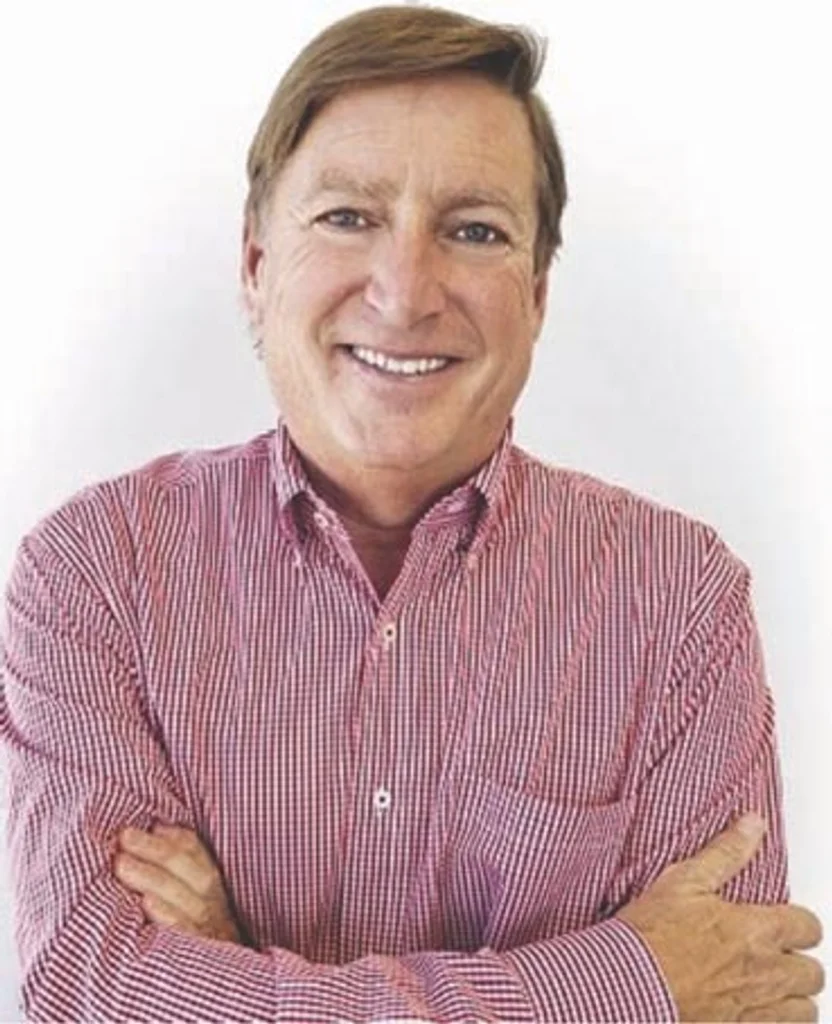
Former leader at Pinnacle Entertainment and CFO at Mirage Resorts, Dan Lee is a development guy. Since he joined Full House Resorts in late 2014 he has transformed the company with his experience in operations, marketing and development. The company opened the Chamonix Casino Hotel in Cripple Creek, Colorado last year and is building a new casino in Waukegan, Illinois called American Place. He also talks about a possible move of the Rising Star casino in southern Indiana to New Haven in the North. He spoke from his office in Las Vegas with GGB Publisher Roger Gros in December. To hear and view a full GGB Podcast of the interview, visit the podcast article.
GGB: Congratulations on the opening of Chamonix in Cripple Creek. I’ve visited Cripple Creek, but it’s kind of hard to get to, especially in the wintertime. Why did you decide to invest that kind of money in that casino destination?
Dan Lee: It’s only 45 minutes from Colorado Springs and two hours from Denver. Remember, there are still millions of people who drive four and a half hours across the desert to come to Las Vegas from L.A. every weekend. Colorado Springs is very similar to what Black Hawk is to Denver. Colorado Springs is a million people. Denver is 4 million people. And we also include the southern suburbs of Denver— Castle Rock or Centennial or Parker. Denver gets some hellacious traffic jams, so we might be a better ride.
About six years ago, we bought Bronco Billy’s for about five times cash flow. And then I realized it had some excess land and there was more land around it. We could buy seven or eight different transactions to put together a site. We had to preserve those buildings, but we found a way to build a nice hotel with over 300 rooms.
Tell us about the rule changes surrounding minimum bets.
Well, for 25 years it was a $5 maximum in Colorado. Then it got changed to $100, and about two years ago, it went away altogether. So there is no maximum bet anymore and we are allowed to comp beverages and offer a wide array of games. So basically Las Vegas rules. I credit Craig Neilsen, the late owner of Ameristar, for getting that ball rolling.
Let’s talk about American Place in Waukegan, Illinois. What’s going on there?
We are operating a very successful temporary casino there. At this point, it’s earning as much as the rest of the company combined, which is great. It’s in a Sprung structure that we’ve dressed up nicely. We have three restaurants there—American Cafe and Asia-Azteca, an ethnic restaurant that is part Asian, part Spanish because Asians tend to gamble more, and Waukegan is about 60 percent Hispanic. At night we project images on the structure, and it looks great.
What’s the status of the permanent casino there?
First, we have to resolve the lawsuit with the Potawatomis. It’s not against us. It’s against the city, because they are saying the bidding process wasn’t fair. That’s being heard by the Illinois Supreme Court. We expect a decision in the first quarter. So we want to be in a position to enhance our bonds probably in the middle of next summer that will provide the financing to go build American Place. Then we’ll be focused on getting that open. It takes about two years to build, which will get us into 2027.
How about Rising Star and moving that license to northern Illinois?
Rising Star was the first casino in that region—the entire Tri-State area. When it opened, it was hugely successful. It literally made $50 million a year. By the time I came in, it was down to almost nothing. The other casinos had opened closer to where people live. First it was Hollywood in Lawrenceburg. That cut off a lot of traffic. Then Belterra cut off traffic in the other direction. Shelbyville (Horseshoe) cut off traffic from Indianapolis. Then Ohio legalized, you have Miami Valley, Hard Rock in downtown Cincinnati, and Belterra Park. And now you have historical horse racing machines in Kentucky with casinos in Louisville and Boone County.
I thought we were going to have to close it when I came into the company. But the mayor came to me in tears, so we were able to settle some tax disputes and do a very popular Christmas program during the holidays. So it’s holding its own now, but still not making any money. If we move, we’ve promised them more tax revenue and a one-year severance to any employee who doesn’t want to move with us.
Why New Haven?
New Haven is just east of Fort Wayne, the second-largest city in the state—the metropolitan area is 650,000 people. It’s an underserved market.
It’s a very unique design you’ve proposed. It includes a huge greenhouse. Tell us how that works.
There is this big trend in the hospitality industry to do farm-to-table. So we’ll grow our own food. Maybe today the tomatoes, we harvested ourselves right over there. It is a way to pay homage to the agricultural history of Indiana. But it’s also in a cold, rainy environment, not much different than Syracuse, New York. So this will be a place to go in the winter and walk through an indoor garden.
It’s going to take us four to five years to get all the approvals necessary and build phase one, but we’ve got the support of the New Haven mayor and there is a precedent for the legislature, so hopefully we’ll get this accomplished.