Bally’s Encounters Lender Resistance as Chicago Casino Financing Hits Turbulence

Bally's refinancing plan for its planned Chicago casino is facing pushback from lenders.
Bally’s Corporation is encountering hurdles in securing financing for its Chicago casino project. The company’s initiative to amend the terms of its approximately $1.9 billion term loan – which includes replacing current collateral tied to its Rhode Island property with the under-construction Chicago casino – has been met with strong resistance from key lenders, complicating efforts to fund its flagship development, according to Bloomberg.Key Takeaways:
- Bally’s faces opposition in loan restructuring efforts
- Challenges in securing financing for $1.9 billion Chicago casino
- Construction setbacks and regulatory hurdles impact project timeline
Collateral Restructuring Spurs Lender Opposition
Bally’s core financing strategy hinges on a collateral swap designed to accelerate the Chicago casino’s construction. The plan proposes substituting the Rhode Island Twin River Lincoln Casino Resort, which Bally’s intends to sell and lease back for $735 million, with the Chicago site currently under development. This move aims to optimize asset allocation and improve cash flow for the Chicago project.While lenders related to Bally’s revolving credit facility have consented to certain changes, including extending $600 million of revolving debt maturity to 2030, term loan lenders have expressed apprehension. Their concerns focus on:
- The declining valuation of Bally’s existing assets
- Lack of clarity in the company’s repayment plan
- Uncertainty over managing cash flow during construction disruptions and operational challenges
Bloomberg reported that sources indicate: “The lenders have serious concerns about collateral value and Bally’s financial strategy going forward, which is delaying crucial loan amendments.”
The Chicago Casino Project: Ambitious Plans Amid Challenges
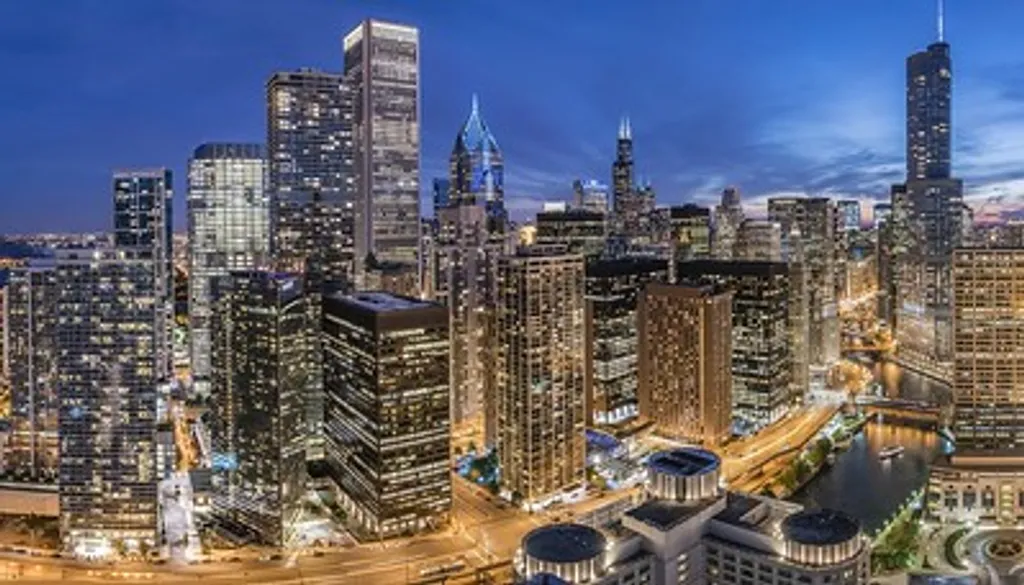
Set on the historic Tribune Publishing site along Chicago’s riverfront, Bally’s Chicago casino is envisioned as a landmark development. The project is backed by a $940 million construction financing facility from Gaming & Leisure Properties (GLP), which also acquired the land for $250 million.Key project components include:
- A 34-story hotel featuring 500 guest rooms
- A 3,000-seat state-of-the-art theater
- Six restaurants plus a curated food hall
- A two-acre public park aimed at enhancing the waterfront experience
Targeted to open in September 2026, the casino is projected to generate more than $800 million in annual revenue, per The Real Deal. It is also expected to create roughly 3,000 construction jobs, alongside 3,000 permanent positions post-completion.Despite these ambitions, the project has confronted several setbacks:
- Demolition was paused for nearly a month after debris fell into the Chicago River, triggering environmental and regulatory responses, reported by Action Network.
- The Illinois Gaming Board ordered suspension of construction after discovering the involvement of an unauthorized waste hauler connected to organized crime.
- The revelation of undocumented city water pipes beneath the site necessitated structural redesigns, threatening scheduled timelines.
Rising Concerns Among Community and Credit Markets
Local political leaders and industry stakeholders have voiced skepticism regarding Bally’s ability to execute its plans. According to Casion.org, Chicago Alderman Brian Hopkins has criticized Bally’s, citing disappointing performance at its interim venue and mounting financial concerns.Credit rating agencies are likewise cautious. Fitch Ratings has placed Bally’s credit rating and related debt on negative watch, citing elevated execution risks tied to ongoing asset sales and restructuring efforts, thereby reflecting increased market scrutiny.
Bally’s Expansion Continues
Though Bally’s faces headwinds in Chicago, it maintains a focus on expansion, notably progressing with its bid for a $4 billion casino project at Ferry Point in The Bronx, New York, and with a new Las Vegas resort.