ASIA IN FOCUS

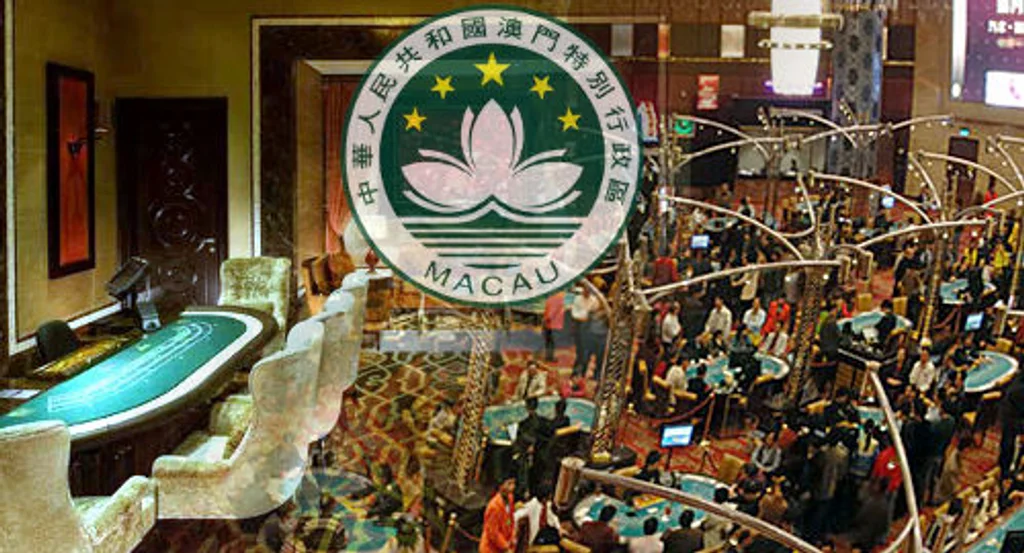
Macau Gaming Revenue Up 11.6 Percent in July
At the midpoint of 2025, the Macau gaming industry has reached more than 61 percent of government revenue expectations for the year.
According to the Macau Gaming Inspection and Coordination Bureau, GGR for July so far is up 11.6 percent year on year, for a total of MOP18.6 billion ($2.31 billion). That brings the yearly total to MOP132.35 billion, up 36.7 percent year on year.
“This is a good start to the second half given that the third quarter is normally a low season,” said Jefferies analysts Anne Ling and Jingjue Pei. They expect GGR growth of 5.7 percent in the third quarter, down 3.5 percent from Q2.
Last month, the government trimmed its yearly GGR forecast by 5 percent, to MOP228 billion, down from the MOP240 billion projected in November.
According to the Macau Daily Times, visitor arrivals are holding strong, up 13 percent year-over-year through April. But gaming spend per visitor dropped 11 percent.
Philippines Bank Considers New iGaming Regs
The Central Bank of the Philippines (BSP) has proposed new regulations to “mitigate the social and financial risks associated with online gambling.” According to the Straits Times, easy access to iGaming has led many Filipino families to “addiction and financial problems.”
Critics, including some lawmakers, want to abolish the industry outright. The Philippine Amusement and Gaming Corp. opposes a ban, but it supports stricter rules around advertising.
The BSP suggests limiting the use of digital payment platforms for iGaming and capping daily fund transfers by bettors. The proposed new rules also call for stricter due diligence by operators.
Digital payment services must not be “misused for activities that are socially harmful and detrimental to financial health,” said a draft circular released by the BSP monetary board. “These regulations establish standards and expectations [for] online gambling payment services as well as enhanced know-your-customer (KYC) measures.”
The new rules would require payment providers to secure bank permission to operate. Qualified applicants would have to demonstrate capitalization of at least PHP300 million ($5.29 million); display robust anti-money laundering and counter terrorism financing safeguards; submit reports “on a monthly or on-request basis”; limit play to six hours per day; and impose a 24-hour cooling-off period in cases of “heavy usage.”
President Ferdinand Marcos Jr., who banned offshore gaming operations last July, is considering a new sin tax on iGaming. The BSP invites stakeholder comments through July 25.
South Korea Casino Stocks Rise with Tourism Hopes
South Korean gaming operators hope a new visa-free policy for Chinese tourists will boost the local casino industry. Based on stock values, their hopes are not misplaced.
According to Chosun Business, since January shares of Lotte Tour Development have increased by more than 50 percent. During the same period, Paradise and Grand Korea Leisure saw increases of 28 percent and 7 percent, respectively.
Of 19 casinos in South Korea, just one, Kangwon Land, is open to local players. The rest rely solely on international punters. They saw a dip in patronage in December, when then-president Yoon Suk Yeol briefly declared martial law. Chinese and Japanese tourists “shunned their neighboring country amid heightened political tensions,” reported the Korea Economic Daily.
Tourists are now returning. As of May, more than 7.2 million foreign travelers had visited South Korea, the highest volume since early 2020. Of those, Chinese tourists accounted for 1 million arrivals.
“If a nationwide visa-free policy for Chinese tourists is implemented, interest in traveling to Korea is expected to rise,” Kiwoom Securities analyst Lee Nam-su told the Korea Times in April. That means “simultaneous growth in key destinations such as Jeju, Seoul and Busan, where many casinos are located.”
13 Hotel Owner Sells Singapore Assets to Focus on Macau
Loi Keong Kuong, who acquired The 13 Hotel in Coloane in June, has reportedly sold five historic Singapore shophouses with an eye toward investing in the Macau property.
The ultra-luxury 13, known for its ruby-red exterior, operated for fewer than two years, 2018 to 2020, closed at the start of the pandemic and went bankrupt in 2023. Last year it resumed limited operations when the Macau Government Tourism Office renewed its hotel license.
Sources told the Singapore Business Times Loi may be “rebalancing [his] real estate portfolio in favor of Macau and other markets.”
Loi bought the hotel at a bargain-basement price. Listed for $2.4 billion in March 2024, it sold for just $76 million. Mark Wong of realtor Jones Lang Lasalle told the Macau Daily Times the hotel will be “fully renovated.”