Winning by the Book

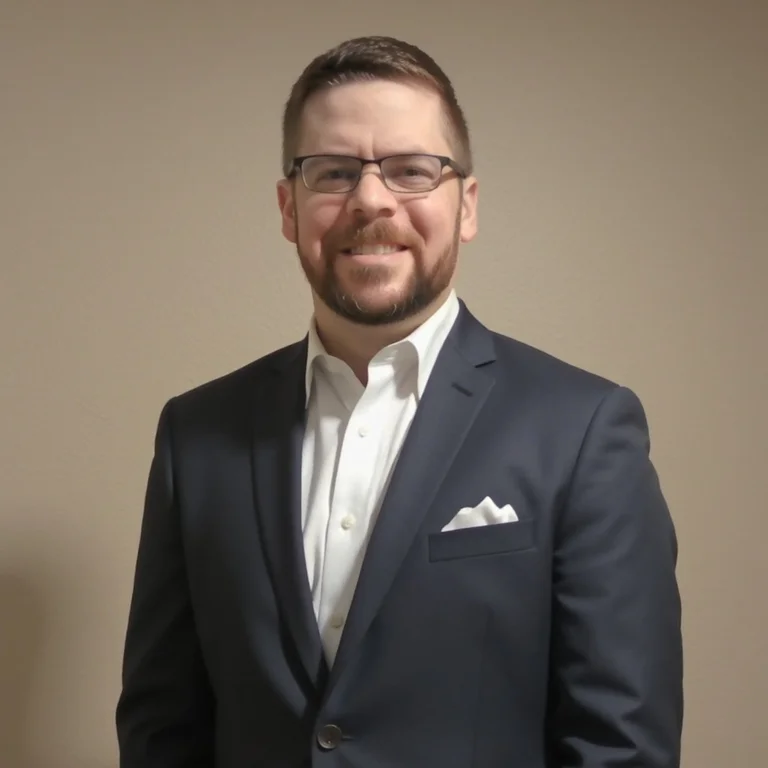
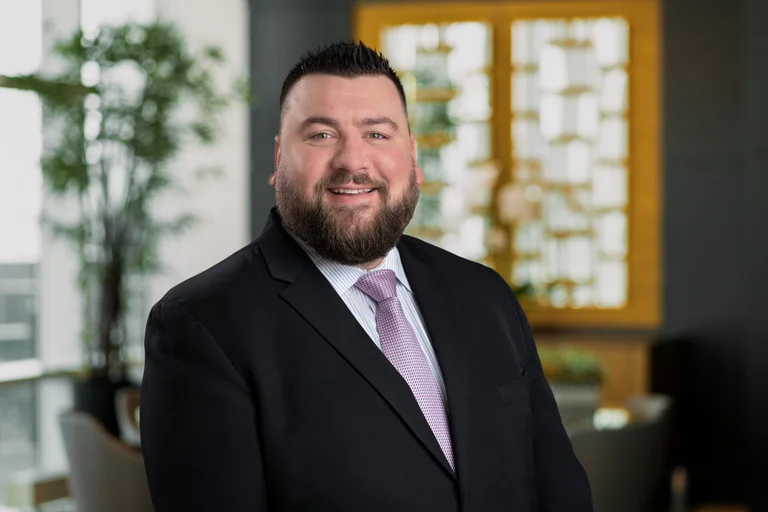
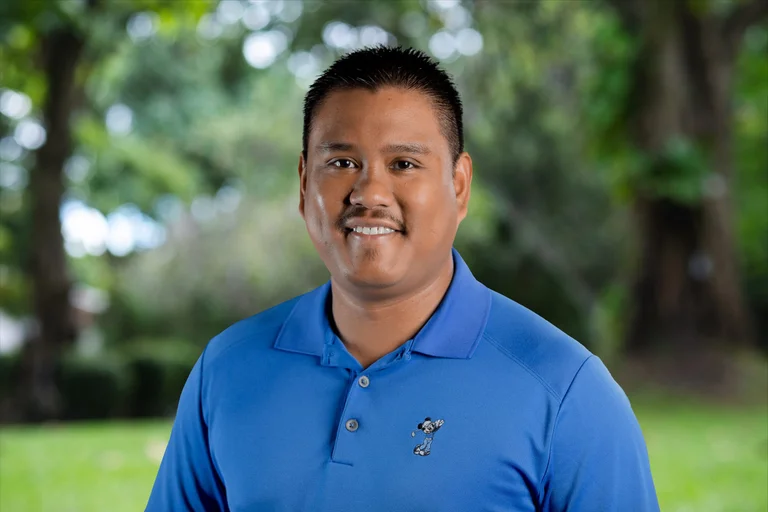
Integrity, core values and a coach’s mentality—these are the foundations behind Tony J. Amormino’s contributions to gaming. He’s that rare entrepreneur who is also committed to protocol, enabling him to execute innovative initiatives in this highly regulated industry.
After a stint at Harrah’s Philadelphia, Amormino was working at Caesars New Orleans when his wife, wanting to be closer to family, prompted a move to Detroit. It proved pivotal to his career. At MGM, under the mentorship of Vice President Mike O’Connor, Amormino came to see “a new frame of light. It’s not just about the systems or departments. It’s understanding risk, operations, workforce dynamics and compliance, developing systems and core beliefs. They’re all interconnected, that’s how a business thrives. You have to come into a mindset where a differentiator early on shapes how you lead 10 to 15 years down the line.”
Amormino’s time in the U.S. Air Force was formative. He credits Chief Master Sergeant Levi Shadle with refining his approach to decision-making and people development on the commercial side. “I tell people to create a checklist,” he explains. “People probably get sick of me saying that, but you know what? They’re better for it because they’re not missing key parts of their job.”
He honed his management skills on MGM’s Diversity & Inclusion team, understanding people from all backgrounds and departments and “making sure they have a voice.”
A framework-driven approach defines his work today. As managing director of the Legacy Reserve Holding Group, Amormino is building an integrated ecosystem to support regulated enterprises across gaming, security, compliance and advisory. Through affiliated entities, he is aligning enterprise security, operational consulting, operational benefits and gaming ventures under a unified philosophy: growth built on governance.
Rather than viewing compliance as a constraint, he treats it as infrastructure—something that, engineered properly, enables expansion into new jurisdictions, technologies and capital partnerships.
When managing employees, his focus is always on bringing out the “best version of themselves, being able to mentor and coach them up.” Walking the floor with a young, gun-shy slot manager, for example, he asked pointed questions about details others might overlook: how a label was placed, how a regulator might view a presentation. The goal wasn’t criticism, but instilling a mindset. It helped the manager articulate what her department—and the broader enterprise—should look like.
That philosophy informs his advice to future leaders: Take the time to ask why someone makes a decision, listen to how their mind works, then coach them toward a solution that serves guests, employees and the enterprise. Empower frontline staff as much as managers. Build cultures where “people want to show up to work, where management takes notice to what they’re doing.” That coaching instinct traces back to his time in baseball. Even as a catcher, he used time on the bench to help teammates refine their approach.
In New Mexico, Amormino has learned a new skill—navigating tribal leadership—as he revitalized Apache Nugget’s existing casinos, designed a new one, and expanded the Jicarilla Apache’s business portfolio. His instincts have turned vocal skeptics of his initiatives into champions. He reopened the Nation’s travel plaza and casino near Cuba with a fresh vision, adding a successful sportsbook. He also secured approval for Class II iGaming on the Nation’s vast reservation. These initiatives reflect how he sees his role: anticipate what guests will want, then build the regulatory and operational framework to deliver it.
Amormino insists on regulatory rigor when considering prediction markets. “There’s a great place in the market for it. However, it’s going to take multiple regulators to work together and create a framework so other stakeholders feel comfortable bringing that into the industry.”
Being named an ELG 40 Under 40, he says, “represents trajectory and responsibility, not arrival. I see it as an opportunity to influence how our industry moves forward, how the industry thinks about growth and how it thinks about integration and long-term stewardship.”