When Fun Turns Risky

Las Vegas is many things—an icon, adult playground, neon-lit escape hatch. For decades, it has stood as the gleaming epicenter of what happens when fun and pleasure become an economic engine and a profitable business model.
Here, fun isn’t just had; it’s sold, scaled, and monetized. It’s also where pleasure, indulgence and risk converge in ways that are both thrilling and, at times, troubling.
Welcome to the “Fun Economy,” where indulgence is currency and experience is everything. Coined by Dr. Bo Bernhard of the University of Nevada, Las Vegas, the term describes a sprawling sector that includes gambling, entertainment, tourism, sports and more. According to Bernhard, the Fun Economy now accounts for more than 14 percent of the world’s economic output, up from 10 percent just a few years ago.
And it is still growing. According to the Pew Research Center, by 2030 two-thirds of the world’s population is expected to enter the global middle class, significantly expanding the market of leisure-seekers with disposable income and a hunger for new experiences. This market seeks fun of all kinds, while having the money to indulge.
But as the world embraces this appetite for fun, a more critical question emerges: What happens when fun leans into excess, and when industries normalize the kinds of behaviors that, in another context, might be seen as harmful or even destructive, all under the banner of entertainment?
Welcome to the world of dark consumption. It is the dark side of the fun economy, where destinations like Las Vegas can continue to be places where fun doesn’t just happen, it flourishes.
Because at its best, the Fun Economy offers escape, connection and joy. At its worst, it can exploit people’s deepest fears and vulnerabilities, all while calling it a vacation. It’s more than entertainment. It entices, seduces and may even endanger.
“Dark consumption” refers to leisure activities that fall on the riskier end of the spectrum. Gambling. Binge drinking. Cannabis use. All adrenaline-pumping thrills that are often based on themes of risk, fear or violence. In cities like Las Vegas, these behaviors are front and center, where they are not just legal but actively marketed. It’s where the line between recreation and risk can easily blur.
But it’s not just what people do; it’s how it’s packaged and sold. Las Vegas doesn’t merely allow for risk—it glamorizes it. Here, placing five-figure bets, sipping cocktails at breakfast, or visiting a haunted museum is just part of the itinerary. And increasingly, people aren’t just simply participating in these activities; they are actively seeking these immersive experiences.
Dystopia, But Make It Fun
Enter dark tourism, where people visit sites associated with death or disaster. In Las Vegas, some of the city’s most popular attractions mirror this trend, minus the tragedy, plus some neon.
The Mob Museum attracts millions of tourists who come to explore the violent history of organized crime. The Atomic Testing Museum highlights the chilling era when tourists used to watch mushroom clouds bloom from nearby desert tests. And for those wanting an even more immersive thrill, Zak Bagans’ The Haunted Museum offers a firsthand look at cursed artifacts and serial killer memorabilia—complete with warning signs and waivers.
These aren’t just themed experiences or passive attractions—they are emotionally intense, often unsettling, and curated specifically to evoke actual fear in safe settings. Academics refer to this as dystopian dark tourism—a category of leisure where people intentionally confront fear, death or cultural collapse in a controlled but entertaining environment. People want to be scared, but on their own terms.
The appeal? Emotional adrenaline. Novelty. And the nature of fear can feel refreshingly real.
Why We Seek the Edge
So why would anyone spend their vacation seeking experiences that mimic fear, engender risk or question moral ambiguity?
Experts say it’s about control and catharsis. Research suggests that these experiences act as psychological release valves, offering people a chance to flirt with mortality, process fear or shake up routine life in a society that’s often too sanitized for its own good. Others are motivated by curiosity, cultural fascination or even social currency—snapping a selfie in front of a notorious location is one way to say, “I was there.”
As social media fuels demand and experiential travel continues to shape tourism trends, experiences that might have once been taboo are now proudly displayed on Instagram stories and TikTok videos. The more dangerous or offbeat, the better.
When Risk Gets Marketed
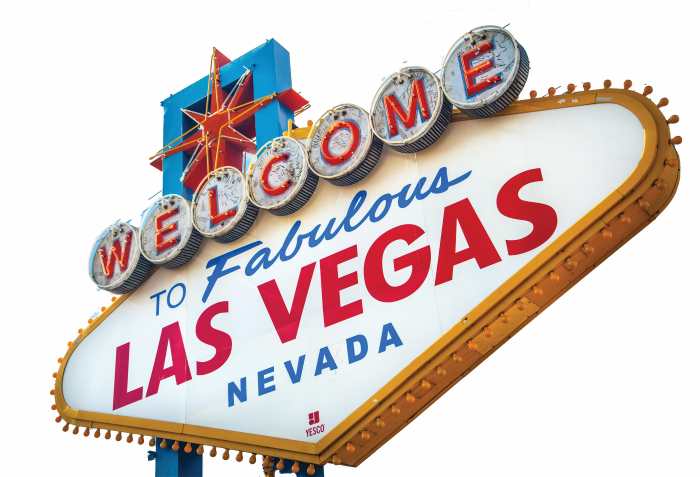 This cultural shift has tangible consequences, especially in places like Las Vegas, where the economy thrives on indulgence. Casinos operate 24/7, alcohol flows freely and cannabis is available on every other corner. While most tourists come for a good time and leave unscathed, the environment is built to reward impulsive choices: bet more, drink more, indulge more.
And that’s where the danger lies. What starts as fun can easily tilt into dark compulsion. Addictive behaviors and their consequences often follow.
Creating a Culture of Harm Reduction
Yet not all is careless in what is known as Sin City. Las Vegas has rapidly and quietly become a major testing ground for harm reduction strategies, a range of practical tools that seek to minimize risk while ensuring that tourists continue to enjoy the vast entertainment the city offers.
While casinos offer self-exclusion programs, individuals can voluntarily ban themselves from gambling venues, related gaming apps and betting platforms—often through time limits or pop-up reminders to help players stay aware of the amount of time and money they have spent gambling. The goal: manage their activities more mindfully.
Cannabis dispensaries now embrace consumer education, not only consistent with state regulations, but also to reduce the potential of adverse reactions among tourists who are not fully aware of cannabis and THC potency. Bars and nightclubs have stepped up by offering free water, food discounts or ride-share vouchers to reduce the risks associated with alcohol-related harm.
In some spaces, quiet areas or mental health resources are available for guests who may feel overwhelmed or overstimulated, trends borrowed from the wellness industry. Even staff training is evolving, with frontline workers learning to recognize signs of addiction, distress or intoxication, and how to respond both appropriately and compassionately.
These tools, however, don’t prevent people from indulging; they are hardly foolproof. They simply offer opportunities to make the experience safer and ultimately more sustainable. This is mindful entertainment.
Beyond Vegas
Las Vegas may be the poster child of the Fun Economy, but it’s hardly the only example. From Macau to Dubai, the world is embracing a new leisure logic—one where experiences, not goods, define value, identity and fun.
But this rise in experiential consumption comes with a significant cost. As cities compete to out-entertain one another, the pressure to push boundaries—often at the expense of social or emotional health—grows stronger. And the predicted global expansion of the middle class will only intensify these dynamics.
Millions of new leisure-seekers will join the market over the next decade, with many eager for the very thrills that Vegas has seemingly perfected. But as the Fun Economy continues to expand, so does its responsibility to protect the people it entertains. That means making harm-reduction strategies as visible as cocktail menus. It means designing immersive experiences that provoke positive thoughts, not stress. And it means recognizing that fun and danger don’t have to be inseparable.
Not all “dark” consumption is necessarily dangerous. In fact, some of it offers significant potential benefits, and it is important to recognize the power of responsible consumption to create enriching and memorable experiences.
For example, a strategic and well-played game of poker can sharpen strategic thinking. A night out drinking responsibly and dancing can deepen friendships. Exploring the strange or surreal in a safe, controlled environment can awaken creativity and wonder, while enhancing well-being. Fun but dark activities, when approached with self-awareness and supported environments, become more than just an escape; they can become a way to connect, grow and thrive.
What’s needed isn’t less fun, but better fun. Experiences designed with care. Spaces that invite exploration without exploitation. Economies that value both profit and people.
As the Fun Economy expands, noteworthy cities like Las Vegas, with gambling at its core, have the opportunity to lead not just in dark consumption, but in ethics and innovation. They can show the world that dark consumption and responsibility are not enemies, but partners.