What’s Responsible Gambling’s Everlasting Power? Our People
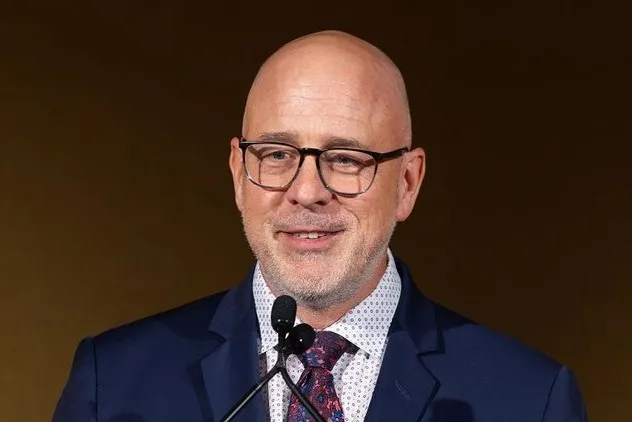
Technology is great, but troubled players need the personal touch and the first people who can do that are your team members. Paul Pellizzari, the vice president, global social responsibility for Hard Rock International, believes that responsible gaming is something that touches every member of the team and with the right training and compassion, RG can be effective.

How can responsible gambling help our players most consistently? Through human touch.
As digital platforms shape the future of gaming (and much of our lives) nothing replaces the impact team members can have when interacting with guests. Cultivating human connections must remain a focus for industry.
Operators’ programs work to prevent gambling risk by encouraging positive play habits: we can educate on gambling literacy, promote budget-setting habits, encourage players to recognize risk, and encourage breaks in play. We can refer those experiencing harm to consider self-exclusion and treatment.
Today, technology and tools play a crucial role in safer play. Think of analytics that track markers of harm, self-directed budget tools, digital health apps, or platforms that provide a stepped-care bridge to treatment services. Online gaming apps can target messages, inform someone on how much they spend, or provide helpful nudges. Other solutions enhance live customer interactions by tracking player data that supports employees on the gaming floor.
Empathy Creates Opportunities
But good tech does not replace the well-trained Team Member who effectively reads a player’s needs and empathetically connects. Whether through an online chat, a call, or a face-to-face conversation on the gaming floor, these moments create possibilities.
Why? Players’ relationships with their gambling are often emotional, and humans are still best poised to respond to emotion. (Will AI someday be able to read emotions as effectively? Perhaps, but at this point I will stick with people.)
Being seen and heard by another person is a fundamental connection that can prompt self-reflection on gambling and its effects.
Consider that no group of professionals encounters gamblers more frequently than casino Team Members. They see, talk to, and get to know players of all risk profiles—from casual, healthy and regular players to those experiencing early risk and serious harm.
Talk to a group of seasoned casino professionals and you will learn that they are unsung experts in perceiving and responding to the nuances of behavior. While clinicians and researchers rightly emphasize the need for responsible gambling programs to incorporate the “lived experience” of gamblers in recovery, equally important is appreciating Team Members’ experience.
They hear every myth, see the bad beats, and absorb enraged outbursts. They learn non-judgmental language to encourage breaks in play—“maybe today’s not your day”—and how to correct a myth, “If I knew which slot machine was ready to pay out, I’d get my spouse to sit at it.”
Go Beyond One-and-Done Training
While the gaming floor provides a practical environment to learn and hone interaction skills, gaming companies must constantly evolve effective responsible gambling training and support programs to continuously build knowledge and skills.
Training and culture-building require multiple elements – online training, classroom sessions, property level teams, relationships with local community partners, treatment and recovery resources, and campaigns that encourage employee participation. Program evaluations and Team Member feedback must inform updates to training programs.
Having developed and delivered live and online training for thousands of guest-facing Team Members and supervisors over many years, Hard Rock and Seminole Gaming’s responsible gambling program, PlayersEdge, solicits and applies feedback, tracking baseline levels of employee knowledge. A PlayersEdge Team, consisting of supervisors and leaders from different functional areas, operates our program at each of our casino properties.
Our Team Members understand:
- The detailed and various ways that gambling harm affects the well-being of players and their loved ones
- How the effects of excessive gambling hurt long-term revenue, and that a casino’s business model is not premised on addiction
- That casino Team Members like to gamble themselves, and experience risk and harm.
Ten or 15 years ago, if you asked employees why we should care about responsible gambling, you typically heard that we do it to “comply with regulators” and to improve “public relations.”
Today? You hear that responsible gambling programs matter because supporting the well-being of players is better for our communities, for people who work at casinos, and for sustaining our player base long term.
Younger employees believe that we can integrate caring for players into great customer service. (None of these priorities diminish the role of compliance and public relations, those reasons always matter.)
What To Keep Building
Training programs should:
- Be informed by and centered on team member experience to define the role they play in conveying information, assistance and referrals
- Apply concepts from the expert realms of disordered gambling to focus on practical action, and to de-stigmatize gambling and disordered gambling
- Teach techniques for promoting positive play and mitigating harm based on a framework of segmented player profiles, red flag behavior signs, and interactive role playing
- Set realistic expectations for the assistance that Team Members can offer, while inspiring them with stories of guests who have been helped.
Culture-Building Efforts Should:
- Track data: on Team Member/Supervisor interactions with guests who show red-flag signs
- Be fun: The PlayersEdge team at our Hard Rock Hotel & Casino Bristol creates original contests, challenges between departments, and employee-made videos to reinforce key concepts, successfully increasing the maturity of their responsible gambling culture
- Expand tools we offer players: Hard Rock Casino Cincinnati recently piloted the Almond Digital Health App, providing players with access to a multilingual, anonymous platform designed to support healthy gambling and connect individuals with additional treatment resources
- Apply research and evidence: this September, five Hard Rock and Seminole Casinos will participate in research conducted by Dr. Michael Wohl and Carleton University. By surveying casino supervisors on their experiences and perspectives, we will gain applicable insights that improve our PlayersEdge program performance.
We also need to help employees deal with their daily experiences on the gaming floor. Leaving Team Members to figure out self-care on their own is not the only option. Today resources extend beyond traditional Employee Assistance Programs. Companies like Kindbridge Behavioral Health offer platforms that can help employees identify and engage mental health issues.
If our industry expects human touch to deliver great guest experiences, we owe it to our teams to invest in their well-being.
Paul Pellizzari is Vice President of Global Social Responsibility leading Hard Rock International and Seminole Gaming’s global programs for environmental sustainability, anti-human trafficking, responsible gambling, along with ESG-CSR reporting and disclosure, and communications. In his career he has worked in multiple sectors as a strategist, brand purpose marketer, and ESG ratings researcher. His programs have won numerous international and national awards. He has been an adjunct professor at the Queen’s University in Kingston, Ontario, and has authored two books and dozens of articles. Along with serving on non-profit boards and industry associations, he is a frequent media commentator and conference speaker around the world.