
Timeless Principles of Legal Gaming
Regulators and legislators must defend proven principles of gaming law in the United States
As president of the National Council of Legislators from Gaming States (NCLGS), I stand on the shoulders of all those who came before. This perch affords me an excellent view of the past, present and future of an industry that is critical to policymakers in so many states.
When surveying the accomplishments of our legislative predecessors, I look to a wide range of past leaders, far beyond those who held the responsibility of leading NCLGS. After all, this organization is “only” 30 years old.
The principles that our organization must uphold and build on stretch back a full half century and track the amazing growth of legal gaming in the United States. Precisely 50 years ago this November, New Jersey voters took a proverbial gamble to join Nevada as the only states with legal casinos.
In doing so, New Jersey forged a new model that went beyond what Nevada had accomplished. That model was fashioned on the principle that legal gaming is a privilege earned by those who could affirmatively demonstrate that they possessed the requisite good character, honesty and integrity to secure a gaming license.
Such key words as “licensed,” “privilege” and “earned” have been adopted by state after state, and as of this writing, 40 states have legal commercial or tribal casinos. That half-century metamorphosis can be attributed to a central, ongoing focus on ensuring public trust in this industry. And that metamorphosis continues to fuel the expansion of legal gaming, encompassing iGaming, iLottery and… whatever comes next.
The word “next” is also central to our mission, as regulators and legislators are already confronting challenges to the established principles of gaming law in the United States. Emerging concepts and a troubling new reality have created challenges for current and future lawmakers that our predecessors never had to address.
Those realities have fueled the creation of a new vocabulary of watchwords that include “predictions” markets, “sweepstakes” gambling and “skill” slot machines. At the same time, concepts such as “responsible gaming,” which are now central to the policy goals of state lawmakers, were just emerging when legal casinos began their expansion.
When the first casinos opened in Atlantic City, pathological gambling was not yet recognized as a diagnosable mental illness. The psychiatric profession has since caught up to the profound challenges that confront problem gamblers and their families, but the challenges are hardly letting up.
NCLGS is already leading the effort to address these emerging forms of gambling by building on the proven principles of the past. At our summer session in San Diego, our members adopted a resolution designed to address the challenges of prediction markets.
That resolution notes that such markets “have rapidly expanded in the United States, allowing participants to wager on the outcomes of political elections, economic indicators, sporting events and other real-world occurrences.”
Notably, the resolution opposes “the expansion of unregulated and unlicensed prediction markets that allow wagering on political, economic, sporting as well as other real-world event outcomes outside of established state and tribal gaming regulatory frameworks,” while it “encourages member states to examine their existing gaming statutes and, where appropriate, assert licensing and regulatory jurisdiction over prediction market activity occurring within their borders.”
Those words are more than simply heartfelt sentiments that we hope states will consider as they address the future of this evolving industry. They are a call to action that goes beyond fixed timelines and extends beyond state boundaries.
As technology continues to evolve, and as new efforts to define “legal” gaming continue to emerge, lawmakers must reaffirm their central role in the policymaking process. If gaming is to maintain that hard-earned trust from the public, from investors and from communities that have tied their fates to the future of this industry, our work is just beginning.
As president of NCLGS, I pledge to do more than simply stand on the shoulders of those who came before. I pledge that our organization will earn the trust of those who come after us, who will stand on our shoulders as they continue this never-ending policymaking process.
Let’s get to work.
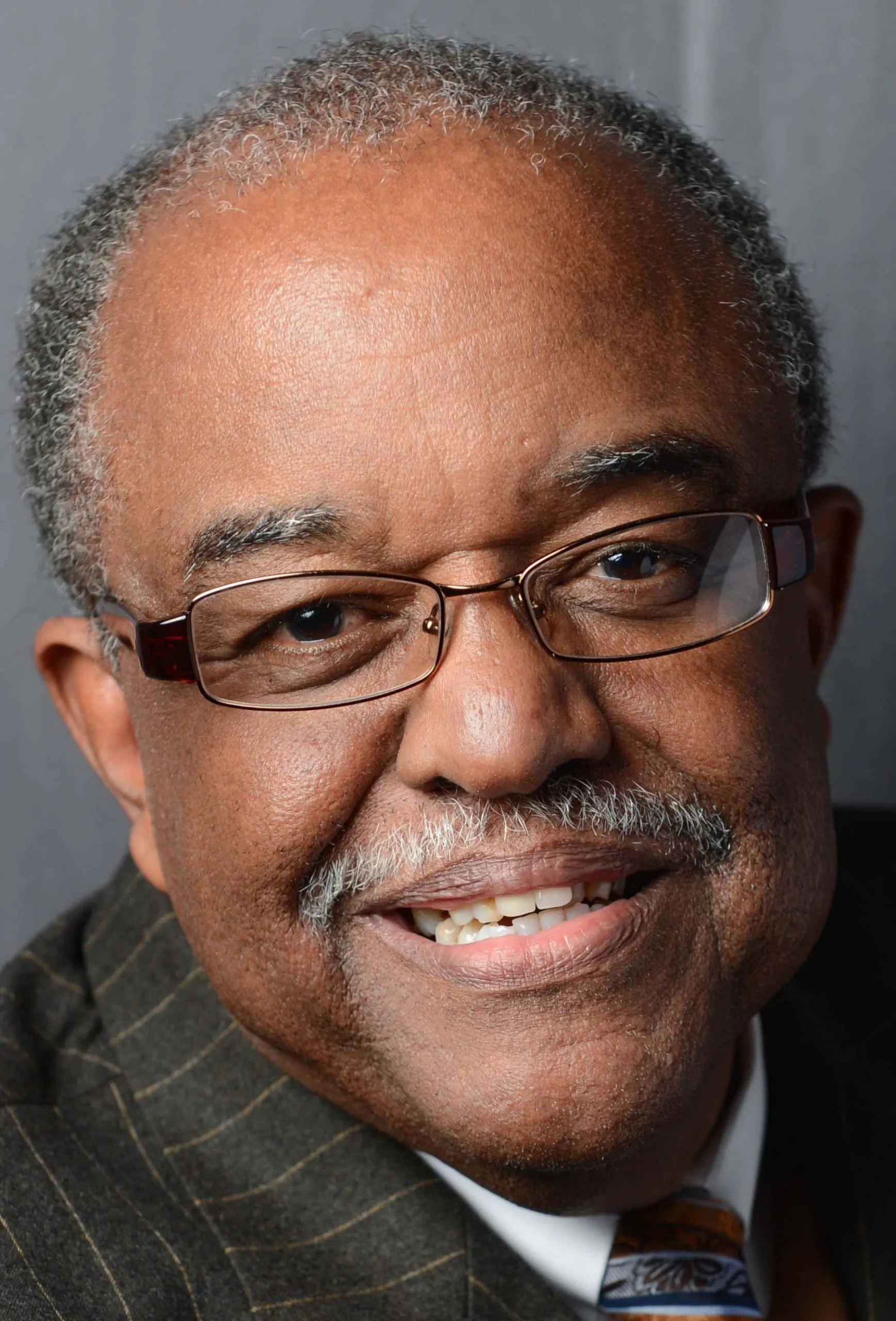
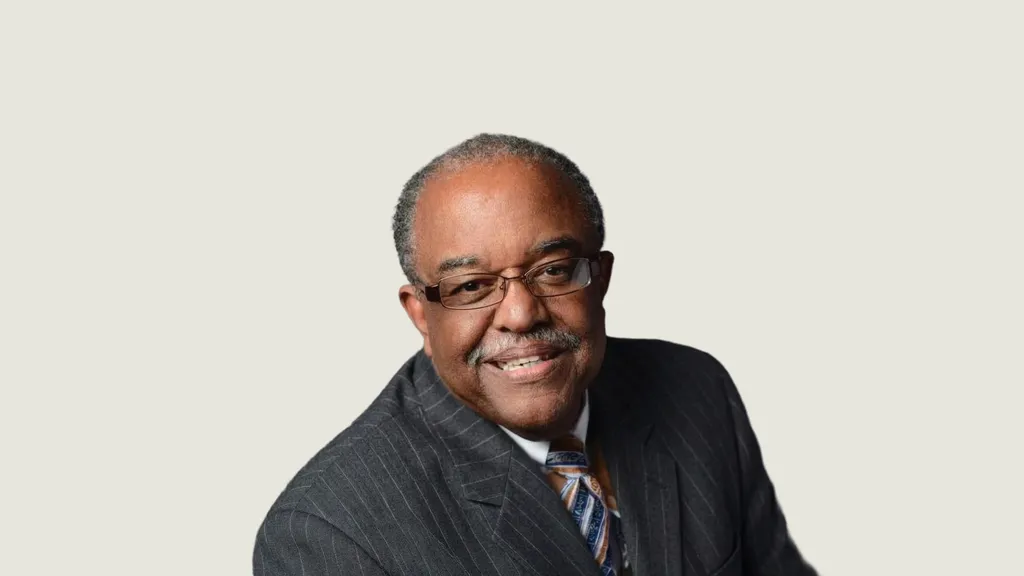
Rep. Al Williams of Georgia is president of the National Council of Legislators from Gaming States, the nation’s only organization of state legislators dedicated to developing sound public policy through education and the exchange of ideas on issues related to legalized gaming. NCLGS neither promotes nor opposes gaming but is committed to helping state policymakers understand the complex legal, regulatory, and economic issues shaping the gaming industry.