The Start of Something Big

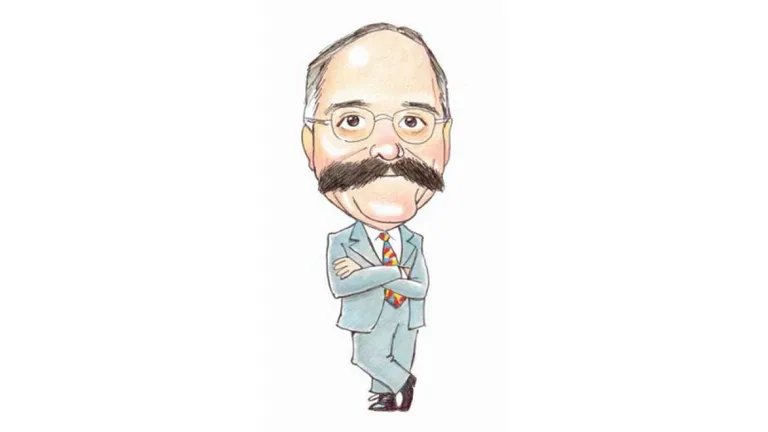
From Draftpot to Simplebet to Betr, entrepreneur Joey Levy sees untapped opportunity in social, casual sports betting.
Joey Levy is a man in a hurry.

Like many entrepreneurs in the digital gaming space, the founder and CEO of Betr believed he had the right product and mindset to revolutionize digital sports betting. He believed it so much, he dropped out of Columbia University, where he was pursuing a history degree, because he felt history was on his doorstep.
“The more time I spent on it, the more I realized how much more passionate I was about building a product in an industry that I was a consumer of, something I really enjoyed,” Levy says. “I became obsessed with building and growing a business.”
But like many new products, this one—Draftpot, launched in 2014—fizzled.
As Levy wrote on Medium in 2022, Draftpot was “the first dedicated no salary-cap game format for daily fantasy to deliver a product for the casual fan.” And while it wasn’t as successful as he hoped, “we built something different and interesting.” Consumer feedback “gave me even stronger conviction that the core insight was correct—that the category-defining consumer experience in U.S. sports gaming had not existed yet.”
While the 19-year-old stumbled in his first foray into the space, he felt he was onto something big.
Early Adopter
Growing up in Miami in the late 1990s, Levy was like many middle-class kids. His parents were both school teachers, so there was a strong focus on academics at home. His introduction to sports came from his father, who started taking him to baseball and football games when he was about 7 years old. That introduction to sports eventually led him to start playing fantasy baseball a few years later.
“I was a consumer of fantasy sports for as long as I can remember,” he says. “I started (at Columbia) in 2013, which was right around the time that FanDuel and DraftKings were doing more of their nationwide advertising, so daily fantasy sports were becoming more visible. I started noticing and interacting with the products. And I remember thinking to myself, ‘This is the best idea ever.’ Because it was the favorite hobby of tens of millions of Americans, made significantly more engaging through the daily fantasy format.”
However, he adds, “These product experiences felt a lot more complicated than they needed to be for a casual sports fan—which is why I thought there was an opportunity to start another daily fantasy platform focused more on the casual fan.”
Those fantasy baseball games eventually turned into a lucrative business. While studying at Columbia, Levy started working on what became Draftpot. While the project didn’t succeed, that didn’t stop Levy. He founded Simplebet with the idea to streamline the user experience around sports gaming. As he and his team began building out the simplified user experience, they realized there was a need for a back-end technical infrastructure specifically for U.S. sports. That realization changed the approach for Simplebet into a business-to-business technology company focused on micro-betting.
The historical process of sports betting wasn’t user-friendly, in Levy’s mind. As he wrote in that Medium post, “Something as simple as placing a bet on a sporting event outcome was like interacting with a foreign language. The traditional sportsbook user experience problem was even worse than the daily fantasy sports one.
“Sports betting was not yet legal in the U.S. as of 2016/early 2017 when I wanted to start getting after this problem. So I moved to Eastern Europe to partner with an existing business there to begin testing out a reimagined sports betting UX to consumers, which we would then launch westward throughout Europe and ultimately in the U.S.
“I quickly realized this endeavor would have a greater chance to succeed as a U.S.-based venture-backed business.” So with co-founder Chris Bevilacqua and board director and advisor Scott Marshall, he returned to the U.S. in 2018 and reworked the business into Simplebet.
The global betting focus at the time was on football (soccer), so there wasn’t much need for the micro-focus of American sports. American sports had many opportunities to wager on specific hits, runs, at-bats or drives, unlike global sports betting on soccer. Levy felt that sort of micro-betting would be popular in the United States. By developing and distributing the technology to other operators, Simplebet could let other companies worry about customers while they perfected the technology.
Getting Betr
Marshall was introduced to Levy through a mutual friend more than 10 years ago.
“Joey came into my office and we started having a conversation, and I said, ‘How old are you?’ I know you’re not supposed to ask that, but he said 19. And I said, ‘I have a son the same exact age.’ And that was the beginning. I was like, ‘Wow, this guy really was mature beyond his years.’” Marshall was so impressed, he committed to invest in Draftpot and also serve as a mentor to Levy.
“He was incredibly bright, just mind-blowing in his intelligence level, his maturity level, the way he was describing the vision for Draftpot. He was sort of maniacal about that focus. I got super-excited about trying to jump into the industry with that as a backdrop.”
Levy was ready for the historic ruling in May 2018, when the U.S. Supreme Court ruling overturned the Professional and Amateur Sports Protection Act of 1992 (PASPA). The repeal gave states the right on an individual basis to offer sports betting.
“I still personally felt like there was a massive opportunity to build a direct-to-consumer business focused on the younger, more casual fan who didn’t intuitively understand how to interact with the existing sports betting user interfaces,” Levy says. The spinoff from Simplebet to Betr let him focus on the consumer experience.
“Back in 2014, there was always this idea that it would be like that traditional sportsbook in the U.S,” he says. “But we always felt fantasy sports had a place and would continue to have a place in the U.S. It’s always been this endeavor to build the best possible product experiences for U.S. sports fans within the regulatory parameters available to us.
“In 2014, it was legacy daily fantasy sports. After the Supreme Court ruling in 2018, the focus started becoming on more traditional sports betting and how to innovate there and then.”
Games for New Audiences
“More recently, there are all these new, emerging gaming verticals that we’re very excited about, that Betr is quickly becoming a leader in,” Levy says.
The company recently launched Betr Arcade, a skill-game vertical. “We think there’s a tremendous opportunity in skill games,” Levy says. “We’re looking at social gaming as well, which kind of reminds me today of where fantasy pick’em was two years ago.”
Having influencer-turned-boxer Jake Paul touting the business doesn’t hurt. Paul joined forces with Levy after they were introduced at a dinner event in Miami about four years ago. Paul was interested in investing in a start-up company, particularly one in the sports betting category. As Levy says, “The rest was history.”
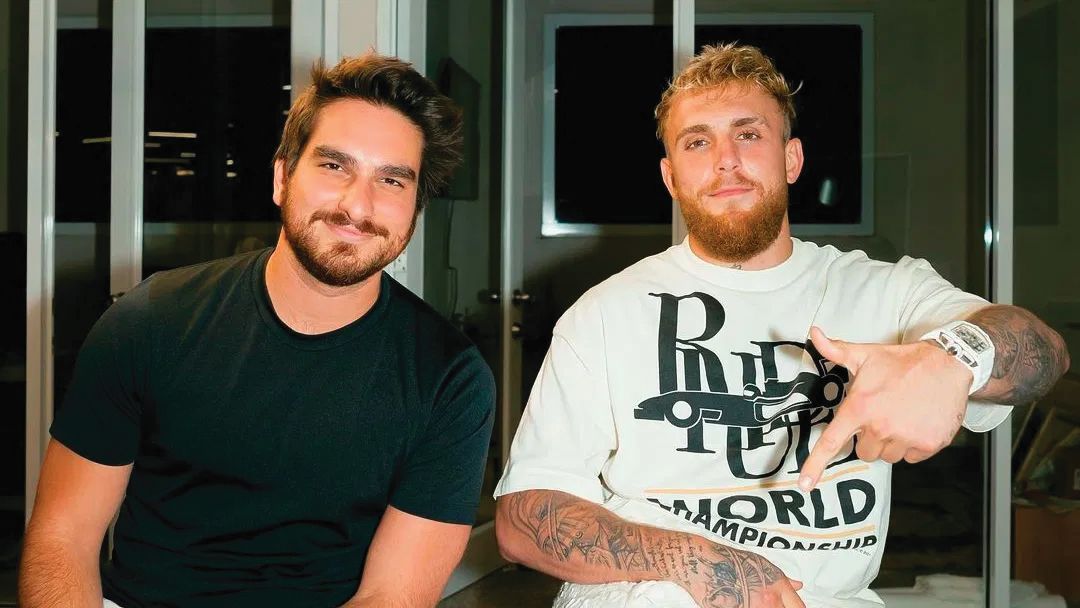
“Jake has quickly become the world’s most disruptive athlete-influencer, single-handedly driving interest in boxing through his 70 million followers on social media, where he gained fame as a Top 5 global creator and YouTuber. Jake has become one of the world’s most searched public figures on Google and is now one of the world’s highest paid athletes. And he’s probably the smartest marketing mind I’ve ever met. I can’t think of a better partner to build Betr with as we capture not just brand awareness, but brand affinity—and bring Betr to the next generation of sports fans,” Levy wrote on Medium.
The goal was simple, he adds. “Really the spirit of all this is to just deliver a great, simple, intuitive and fun user experience to the U.S. sports fan and to the U.S. gamer however we can, while abiding by local laws and regulations and doing so in a very responsible way.”
Like-Minded Entrepreneurs
Following in the footsteps of other college dropouts like Bill Gates, Steve Jobs, Oprah Winfrey and Michael Dell, Levy dove into opportunities outside the classroom. In 2016, he became a Peter Thiel fellow, putting him in the company of other ambitious young people. “Just that energy, work ethic and IQ kind of becomes contagious, and it was a really great experience to be a part of that community,” he says.
That ambition is evident in the way Levy gets excited about what’s on the horizon for Betr. “I think we have an opportunity to build one of the largest sports gaming businesses in the United States through just really great, simple, intuitive, fun, entertaining product experiences,” he says. “We’ve been able to develop really great products and we’ve been able to grow.”
But Levy isn’t satisfied. “I also think we’re really going to start differentiating ourselves from our fantasy pick’em competitive set with all the new products we’re launching.”
While he won’t divulge what the products are, he does say the company plans to have 10 games by the end of the year, up from the current seven. He’s also excited about the launch of the social sportsbook, currently live in 25 states.
“I’m very excited for where Betr is positioned today,” says Marshall. “I’m feeling really good about where we are. It’s also been a journey, and while it’s only four years in, which is still early days, it’s going well.
“We’re all excited about Betr and we all want to see Betr become a smashing success. We believe it’s on its way to doing that.”