The Archangel


There’s a Catholic prayer that begins, “St. Michael the Archangel, defend us in battle.”
A battle is currently brewing between the legal gaming industry and “prediction market” companies—and Nevada is on the front line. This battle could overturn all the industry has achieved in terms of transparency and integrity since it spread from Nevada starting in 1978.
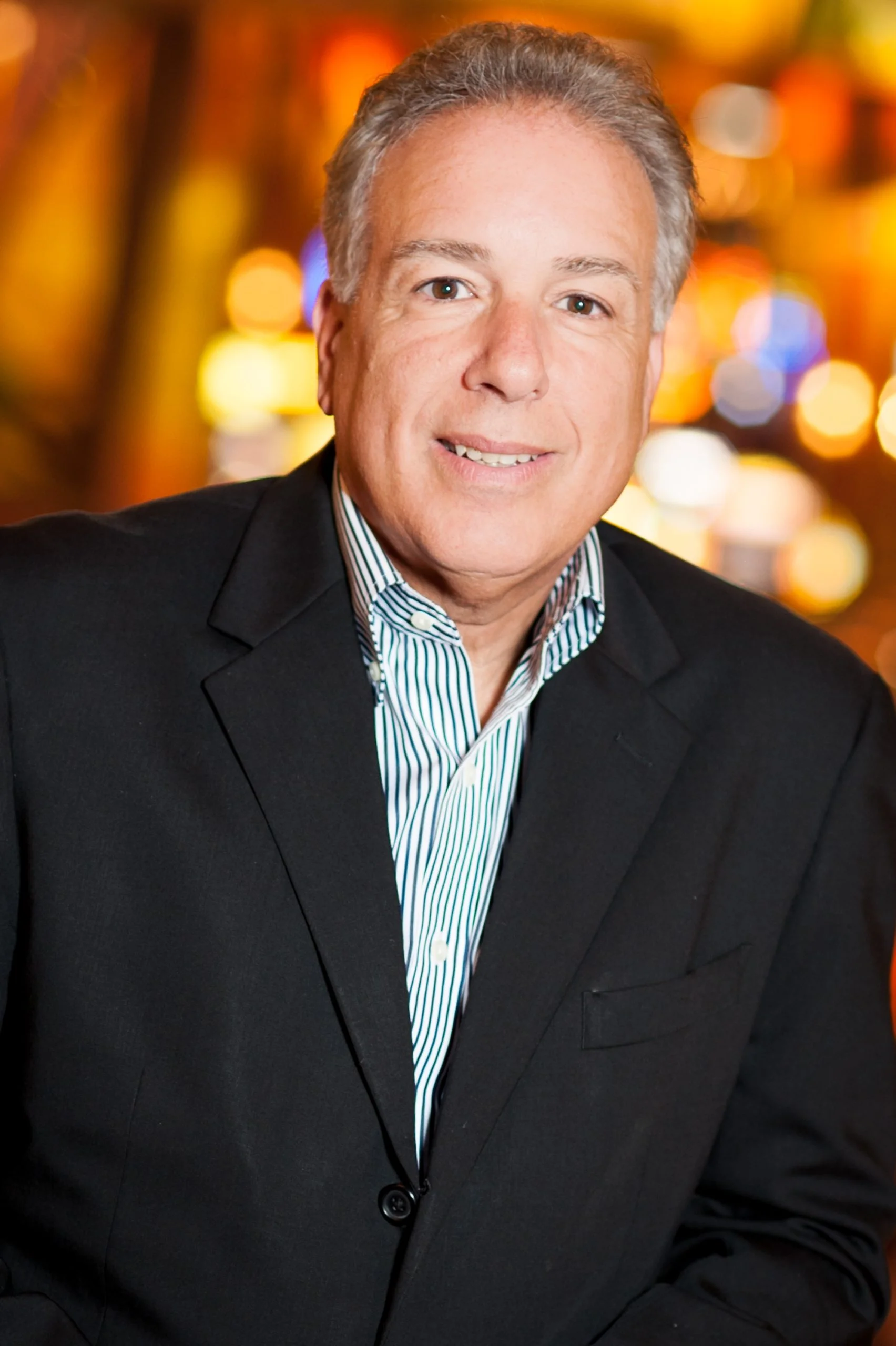
Leading the state’s army in this battle is Mike Dreitzer, chairman of the Nevada Gaming Control Board. Dreitzer is mounting a legal challenge to fight for the letter of the law in Nevada and keep out what the state views as illegal gambling. He achieved a victory by keeping sweepstakes casinos at bay. Now he has the prediction markets in his sights.
“Let me be clear,” says Dreitzer. “First of all, the activity that happens in the prediction markets is gambling. There’s no question about it.”
It doesn’t mean he would bar companies that say they operate in the prediction markets. “We’d invite them to be part of the Nevada gaming industry,” he says. “We’d invite them to participate. But that has requirements. It’s our expectation that they, like all other participants, will be properly licensed and properly taxed. That’s all we’ve ever asked for.”
Appointed by Governor Joe Lombardo last year, Dreitzer has had an immediate impact. He arrived soon after money laundering scandals hit almost every major casino on the Las Vegas Strip, an issue that arose belatedly for the regulator after the FBI raided Resorts World Las Vegas.
“Money laundering in casinos has been a big problem,” he says. “It continues to be an issue, and we’re doing everything we can to work with the industry to make sure we continue to do better and better in that space. We’ve hired more agents and have some industry partners who are very interested in working with us and providing us with analytics tools. We’ll start to use them along with AI to do a better job of stamping out these things.”
Dreitzer wants to bring the regulatory structure in line with the speed of business and regulate in a more efficient way. He also wants to address Nevada’s reputation of taking a long time to approve new technology.
“From my perspective, that’s wholly unacceptable,” he says. “Any chance I can, I’m going to make that pitch to have people and companies bring technology to the state. We’re open for business. Consistent with the governor’s mandate, we want to make sure people know they’re invited to come to Nevada where thousands of licensees would be ready to implement and roll out their products.”
Dreitzer is in a unique position to understand the needs and responsibilities of the industry. He’s held executive positions at BMM Testlabs, Ainsworth Game Technology and Gaming Arts, and he is one of the rare examples of a gaming executive becoming a regulator, although he started his career as a staff attorney with the Gaming Control Board.
In a battle to the finish, it seems apropos that someone who’s seen both sides of the industry might be tasked to save it.