Spreading the Word

When the National Center for Responsible Gaming was formed in 1994, not much was known about problem gambling. There had been a few sloppy studies done, but nothing was peer-reviewed or checked beyond the original researchers.
Frank Fahrenkopf, the former CEO of the American Gaming Association, calls it the best thing he did during his 17-year term, setting up an organization to study problem gambling.
But it was a risk, Fahrenkopf says. “We didn’t know what the research would find, but we knew we needed some answers.”
Over the years, the now International Center for Responsible Gaming has produced groundbreaking research, first identifying how many people are afflicted by pathological (less than 1 percent) or problem gambling (less than 2 percent), as well as the physiological and mental causes, and suggestion of how it can be treated.
The good work of the ICRG is well recognized in gaming circles, but now that sports betting and iGaming are spreading across many non-gaming companies, there needs to be more attention paid to the important work done by the center.
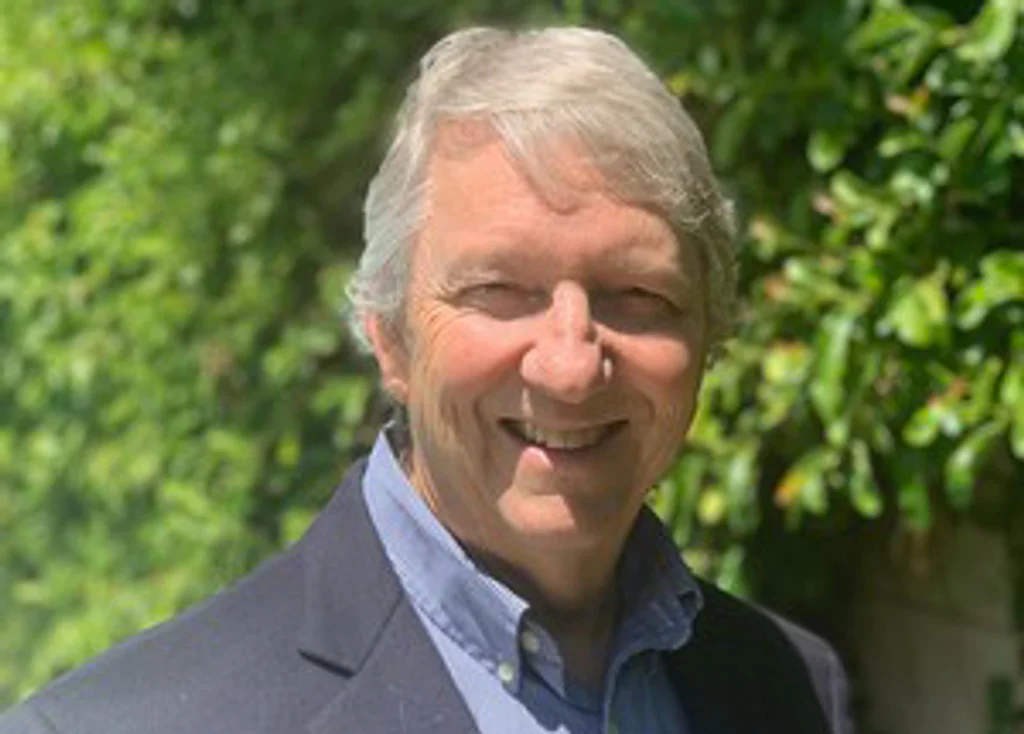
That’s where Arthur Paikowsky comes in, recently appointed the president of the ICRG. He has worked for over 40 years in not-for-profit organizations, mostly charities.
“I’m a cause-oriented person,” he says. “I have some different experiences with a combination of addiction and Las Vegas, so when the opportunity presented itself, it was the right thing for me.”
Paikowsky says his understanding of the shape and goals of the ICRG convinced him that more needs to be done.
“The space is ripe for advancement,” he insists. “We’re not raising nearly enough money for the great work we’re doing. When I look at what the research has taught the industry over the past 25 years, we now want to look ahead to the new challenges—sports betting, online gambling and things like that—we’re just scratching the surface of what needs to be done.”
To accomplish those goals, Paikowsky has several items on his agenda.
“We need to spread the word about what this organization has meant to the industry over the past 25 years,” he explains. “We also need to get into the head space of our board. We have really talented board members and they want to do more. So I want to get an understanding of who they are and how they fit into the industry.
“I’m working on how the fundraising has been done in the past and making a plan for the future. I want to launch a very intense 2022 fundraising campaign by getting lots of people involved.”
In the beginning, the NCRG was organized under the auspices of the AGA. That changed years ago, and today the ICRG is fully independent, but associated with the Division of Addictions at Harvard Medical School.
“I had a meeting with the AGA recently and we talked a lot about collaboration and ways we could work more closely together,” Paikowsky says. “I think it would be a good thing to have someone from the AGA represented on our board, which hasn’t been the case in a while.”
Paikowsky doesn’t want to change the basics, however.
“Our organization is all about education and prevention,” he says. “Let’s get the information out before we have to deal with someone who has a gambling disorder. So a lot of our research is going to examine how to do that.”