Putting Washington on Notice


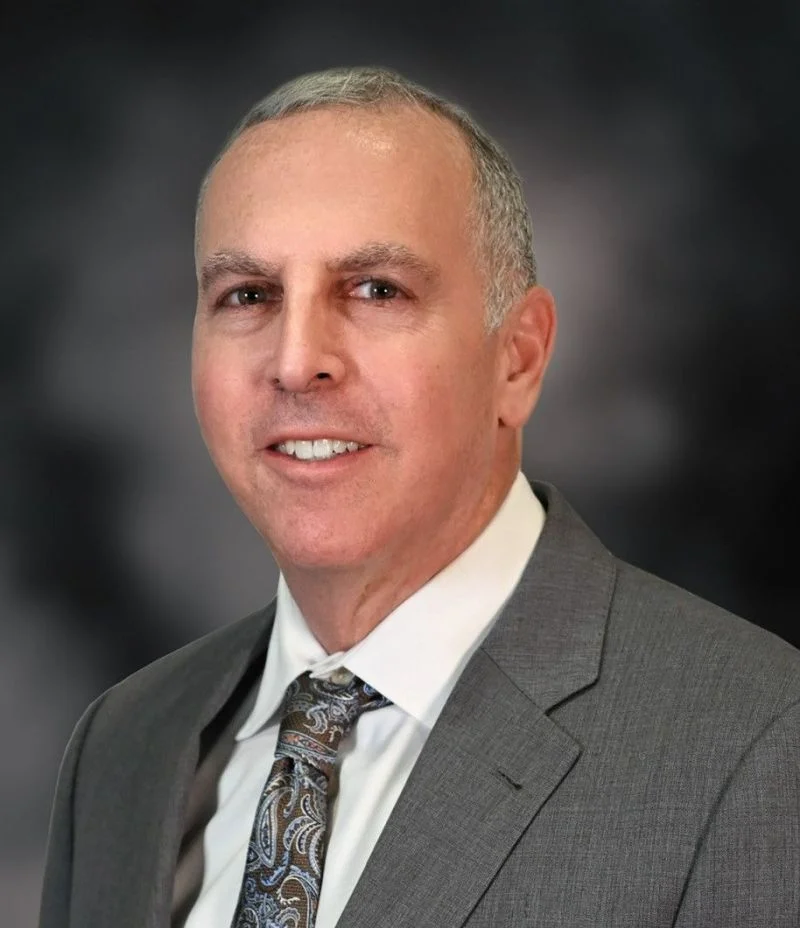
Utah Attorney General Derek Brown enters 2026 as a central figure in the escalating fight against illegal offshore gambling.
In August 2025, Brown co-led a bipartisan coalition of 50 state and territory attorneys general urging the U.S. Department of Justice to aggressively target unlicensed online sportsbooks and casinos serving American customers from abroad.
That multi-state push has positioned Brown, from a state with no legal gambling, as a key broker among state regulators, federal law enforcement officials and a U.S. gaming industry that increasingly sees offshore competition as an existential threat.
The scale of the problem is staggering. The coalition estimates the illegal online market sees more than $400 billion in annual wagers, draining more than $4 billion in potential tax revenue from states and undercutting licensed operators that invest in compliance, consumer protection and local jobs.
Recent analyses from industry and policy groups suggest that illegal and unregulated gambling still accounts for nearly one-third of all U.S. gaming activity, even as legal sports betting and iGaming expand state by state. For officials like Brown, those numbers are more than an economic problem; they are a public safety risk.
Brown’s coalition sent a letter to U.S. Attorney General Pam Bondi in August, laying out a concrete playbook for federal action. The AGs called on the DOJ to use tools under the Unlawful Internet Gambling Enforcement Act and related statutes to block access to illegal sites and associated payment channels, seize domains and assets tied to offshore operators, and coordinate closely with state regulators, banks and payment processors to choke off the financial lifelines of unlicensed platforms.
The coalition framed the issue bluntly in public comments, warning that offshore sites “thrive precisely because they ignore every safeguard” required in regulated markets.
Consumer harm is at the center of the coalition’s case for action. Offshore operators typically do not implement meaningful age checks, responsible gambling tools or dispute resolution processes. That leaves U.S. players exposed to fraud, non-payment and predatory marketing.
Brown emphasizes that these sites frequently intersect with broader criminal activity and siphon play from legal, taxed channels that support education, infrastructure and problem gambling treatment in the states.
“Illegal offshore gaming operations are a breeding ground for criminal behavior, such as money laundering and human trafficking. These companies routinely flaunt Utah laws and put Utah consumers at risk,” Brown says. “Together we can take action against these foreign-based operations that wreak havoc on our communities, foster gambling addictions and harm Utah consumers.”
The coalition’s letter arrived after years of perceived federal inaction, effectively putting the DOJ on notice that states expect tangible enforcement steps against offshore brands that openly court American customers. For Brown, the coming year will test whether his bipartisan gambit can turn broad concern into sustained federal enforcement—and whether the U.S. finally treats the offshore surge as a national priority, not the background noise of the digital era.