Punting to the Courts


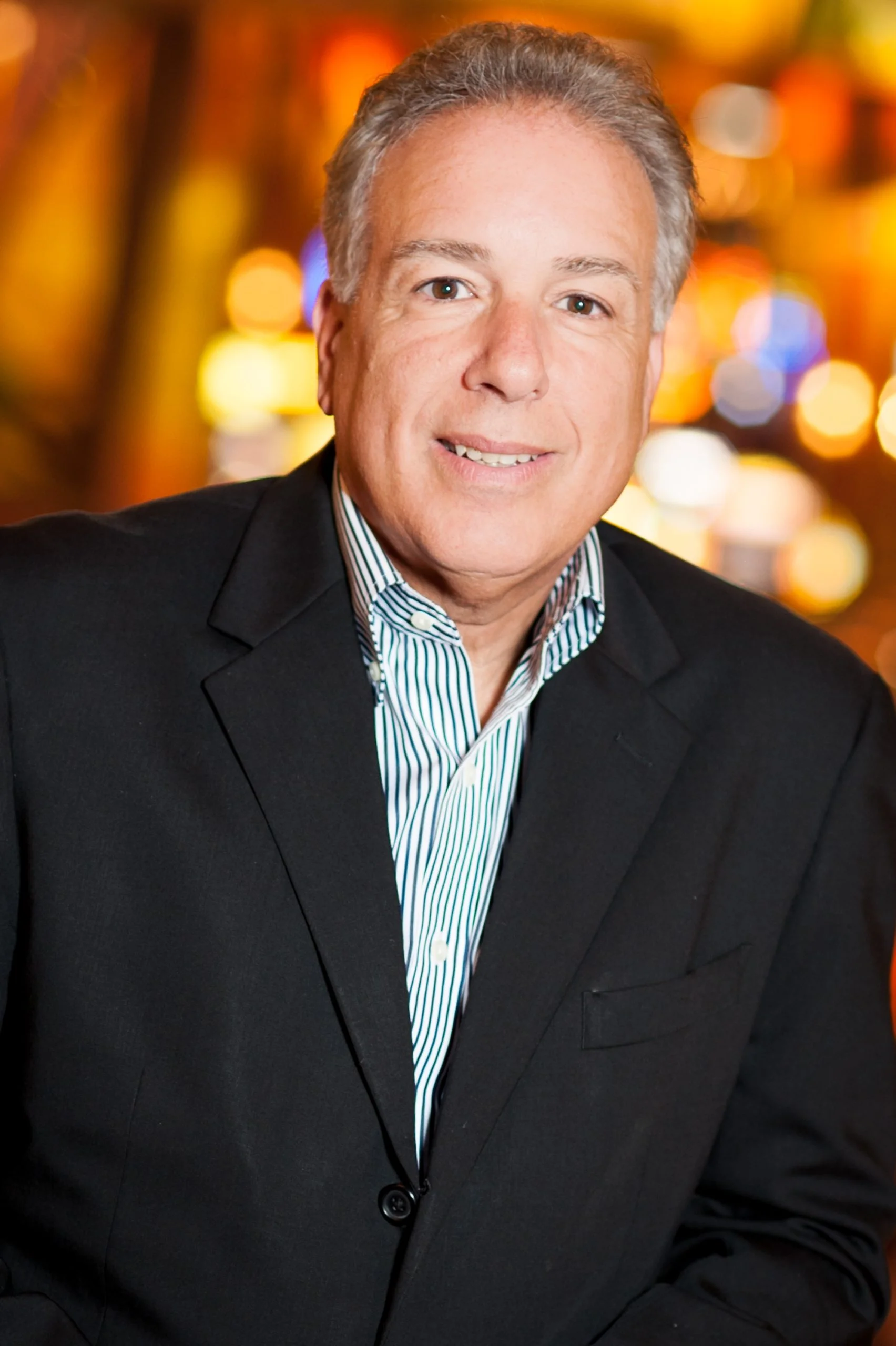
In November, Michael Selig had his day on Capitol Hill.
Selig, chief counsel of the Securities and Exchange Commission’s Crypto Task Force, is U.S. President Donald Trump’s nominee to lead the federal agency that regulates financial derivatives. If confirmed as chair of the U.S. Commodity Futures Trading Commission, Selig will head an agency responsible for regulating so-called sports event contracts at the federal level.
The derivative products are traded on prediction markets, a new asset class that threatens to upend the legal sports betting market as we know it. Over the last 12 months, emerging prediction markets such as Kalshi have completed massive funding rounds that have led to multi-billion-dollar valuations. At the November 19 hearing before the Senate Committee on Agriculture, Nutrition and Forestry, a number of Democrats grilled Selig on his position on prediction markets.
The CFTC, which has seen the departure of numerous commissioners since Trump took office, has come under fire for its outdated standards on the contracts. One rule, CFTC Regulation 40.11, bans event contracts with offerings on assassination, war, terrorism and gaming. However, the legal interpretation of “gaming” is fraught with ambiguity. Detractors of prediction markets argue that leading companies are exploiting a loophole to offer the contracts.
Asked by Senator Tina Smith if he will enforce the prohibition on gaming, Selig demurred.
“These are complex issues as to interpretation of what it means to constitute ‘gaming,’” Selig replied. “I have the utmost respect for our judges that are working on these issues in the court system, and I intend to always adhere to the law.”
Over the last year, the legality of prediction markets has been debated in a number of courts throughout the nation. When Congress passed the Dodd-Frank Wall Street Reform and Consumer Protection Act in 2010, the law expanded the scope of the Commodity Exchange Act. Under the provision, the CFTC has the latitude to ban event contracts if they are deemed “contrary to the public interest.”
Inundated with questions from senators on the legal interpretation of the provision, Selig reiterated more than a dozen times that he would turn to the courts for how to proceed. The nominee, who maintains the boyish looks of a third-year law student, will wield immense power on the markets if confirmed. Selig and the CFTC may impact trading on sports that amounts to billions of dollars each month.
Since Labor Day, sports betting giants FanDuel and DraftKings have announced plans to roll out their own prediction market offerings. In the first half of 2026, they could be joined by Fanatics, Coinbase and Trump’s Truth Social, which has positioned itself as the first social media platform to offer prediction markets. If the Trump Administration advises Selig to design a carve-out for Truth Predict, the new site, Selig insists the president will be held to the same ethics standards as everyone else.
Legal wrangling over prediction markets will be watched closely by tribal gaming entities, which have argued that sports event contracts violate their exclusive rights to operate gaming on tribal lands. At least a half-dozen leading states with legal sports betting, meanwhile, have filed cease-and-desist orders against Kalshi. Kalshi, they contend, is violating state laws by offering the contracts. Given the enormity of the battle, many legal experts believe the issue could go all the way to the Supreme Court. If so, a decision might not be reached for several years. A drawn-out process could shield Selig from making a tough choice on the regulatory treatment of event contracts. The markets will be watching.