Prediction Markets: An Assault on Sovereignty


When the Indian Gaming Tradeshow & Convention kicked off last spring, the keynote panel featured a pair of heavy hitters.
Two prominent sports betting executives, DraftKings’ Jason Robins and FanDuel’s Christian Genetski, appeared on the dais ready to mend fences with the nation’s most prominent tribal gaming leaders. Before a packed audience at the San Diego Convention Center, they vowed to work more closely with the tribes after a failed referendum in 2022 that sought to legalize sports wagering in California.
Now, with the meteoric rise of prediction markets, the amicable event seems to be a distant memory. Tribal leaders across the state warned of potential retribution if the companies launched prediction market offerings in California. But money talks. In a national forecast, boutique research firm Eilers & Krejcik projected an annual revenue opportunity of $1 trillion from prediction markets by the end of the decade.
As a result, the nation’s largest sportsbooks joined others chasing the golden goose. DraftKings and FanDuel ignored the tribes’ warnings and rolled out prediction market sites in the nation’s most populous state. Any goodwill from the tradeshow dissipated as fast as a vacillating event contract on a leading prediction market.
As expected, Robins and Genetski are not returning to the tradeshow this spring.
Amid a change of leadership at the U.S. Commodity Futures Trading Commission (CFTC), tribal gaming leaders have forged their most intense battle since the 1988 passage of the Indian Gaming Regulatory Act. Shortly after his appointment as CFTC chairman, Michael Selig ordered the withdrawal of a proposed rule that would have prohibited financial exchanges from offering sports-related event contracts.
The policy reversal was not greeted warmly by the tribal community, which largely views the contracts as a direct affront to sovereignty. While the high-stakes battle may eventually reach the Supreme Court, tribal gaming leaders are brainstorming for a strategic plan to curb the proliferation of sports event contracts.
Mobilizing the Push
Following the 2024 presidential election, a host of stakeholders contacted the CFTC during a public comment period on event contracts. Kalshi, an upstart prediction market website, had offered derivative contracts on the winner of the election, triggering a process that subsequently led to the rollout of sports event contracts. Of the nearly four dozen comments received by the agency, 14 came from tribal-related groups underscoring the gravity of the issue for tribes.
In a 13-page letter to the CFTC, late Indian Gaming Association Chairman Ernie Stevens Jr. wrote that allowing event contracts to be traded would interfere with the sovereign right of tribes and states to “exercise their police power” to regulate gaming within their respective territories. That authority, he emphasized, has long been recognized by numerous courts throughout the U.S.
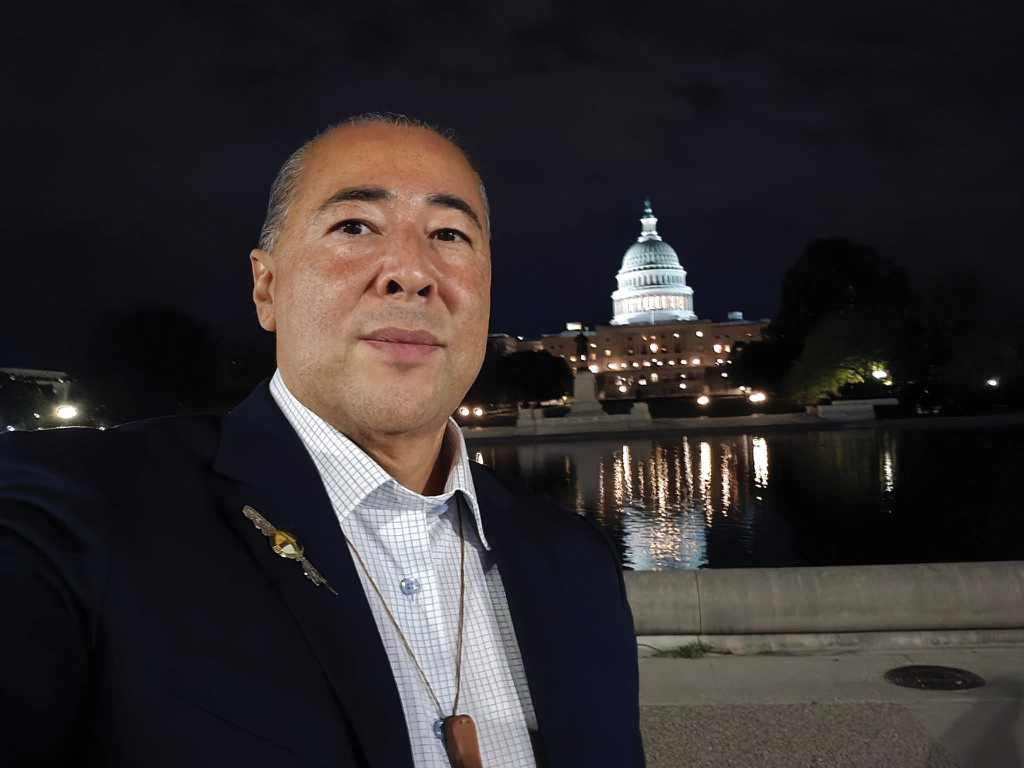
David Bean became IGA chairman following Stevens’ death last September. In early February, he appeared at the 2026 Executive Council Winter Session, an annual meeting of the National Congress of American Indians Executive Council. There, he sat with several other tribal officials on a panel discussing prediction markets. While the legal battle between prediction markets and commercial operators has escalated in the first quarter of 2026, tribal entities have considered another pathway for attaining their goals.
“These are illegal sports betting products being routed through futures exchanges to avoid gaming law.”
—David Bean, Chairman, Indian Gaming Association
Bean was joined on the panel by two state tribal officials—Rebecca George of the Washington Indian Gaming Association and Phil Brodeen of the Minnesota Indian Gaming Association—as well as Alex Costello, vice president of government relations at the American Gaming Association.
George said that with massive amounts of capital flowing through prediction markets—perhaps trillions of dollars—congressional clarity is not optional, it’s essential.
“This isn’t about stopping innovation. It’s about ensuring that financial laws aren’t used to bypass regulatory systems deliberately put in place to protect the American people and the integrity of our financial markets,” she wrote on her LinkedIn page.
“For decades, Congress has drawn clear lines between federal financial regulation and state and tribal authority over gambling. Those lines are intentional, those lines matter.”
Questions of Preemption
If the prediction market battle reaches the Supreme Court, it will likely settle any lingering questions concerning preemption.
Leading prediction markets, most notably Kalshi, argue that the federal Commodity Exchange Act (CEA) preempts state gambling laws. Conversely, the states contend that sports event contracts shouldn’t be permissible in their respective jurisdictions because they violate state sports wagering laws.
Although the act has historically applied to financial derivatives on commodities, such as grain and corn futures, Kalshi received a pathway to begin listing sports event contracts after the 2024 election. In financial parlance, the prediction markets operated by Kalshi and Polymarket are deemed “designated contract markets” (DCMs), or markets that provide the infrastructure to list, trade and settle contracts based on the outcome of future events.
As it relates to tribes, questions of preemption center on legal interpretation of IGRA and an internet gambling law passed two decades ago. In the heart of the 2025 football season, the tribes suffered a stinging defeat in federal court. In November, a U.S. district court in California rejected a tribe’s argument that IGRA “overrode” the Unlawful Internet Gambling Enforcement Act (UIGEA).
Enacted in 2006, UIGEA defined “unlawful internet gambling” as the placing or acceptance of wagers already illegal under state or federal law. The sweeping law exempted “any transaction conducted on or subject to the rules of a registered entity or exempt board of trade under the Commodity Exchange Act.”
Ruling for the defendant in Blue Lake Rancheria v. Kalshi Inc., U.S. District Judge Jacqueline Scott Corley held that the tribe’s IGRA claims did not succeed because Kalshi’s event contracts are instead covered by the CEA and UIGEA.
Following the order, attorneys from Paul Hastings’ Litigation and Futures & Derivatives teams cited several factors for why the judge ruled against the tribe. Event contracts, they wrote, are listed on a DCM, as its transactions are accessible via Kalshi’s registered entity’s internet site. Consequently, Corley found that Kalshi’s contracts are not “bets or wagers” and therefore should not be viewed as gaming prohibited by IGRA. The plaintiffs plan to appeal.
Opponents of the expansion by prediction markets have also notched their fair share of legal victories. In February, the Ninth U.S. Circuit Court of Appeals denied Kalshi’s emergency motion for an administrative stay of an order against it by the Nevada Gaming Control Board.
Gaming attorney Daniel Wallach described the order as a “game-changer” in the circuit, as it raised the possibility of Kalshi being geofenced in the state. The prospect of geofencing prediction markets from offering event contracts on tribal lands represents a potential compromise between the two sides.
“To those who seek to challenge our authority in this space, let me be clear—we will see you in court.”
—Michael Selig, Chairman, U.S. Commodity Futures Trading Commission
On Capitol Hill, meanwhile, Bean and NCAI President Mark Macarro sat for a briefing with the Senate Committee on Indian Affairs. A day later, a group of 23 U.S. senators, all Democrats, submitted a letter to the CFTC concerning prediction markets. Senator Adam Schiff of California had weeks earlier vigorously pressed Selig for his policy views on sports event contracts at his confirmation hearing. As an ardent supporter of tribal gaming causes, Schiff’s influence weighed heavily in the letter criticizing the expansion by prediction markets.
“These products evade state and tribal consumer protections, generate no public revenue and undermine sovereign regulatory regimes,” the senators wrote.
The Battle Escalates
Through discussions with legislators on Capitol Hill, tribal leaders have lobbied for insertion of language in various crypto market structure bills that would uphold the premise that the Commodity Exchange Act does not authorize sports wagering. The bills had not been acted on at the time this article was written.
On February 17, Selig announced in a brief video that the CFTC had filed a “friend of the court” brief to defend what the agency deemed as its exclusive jurisdiction over event contracts on prediction markets. “To those who seek to challenge our authority in this space, let me be clear—we will see you in court,” Selig said.
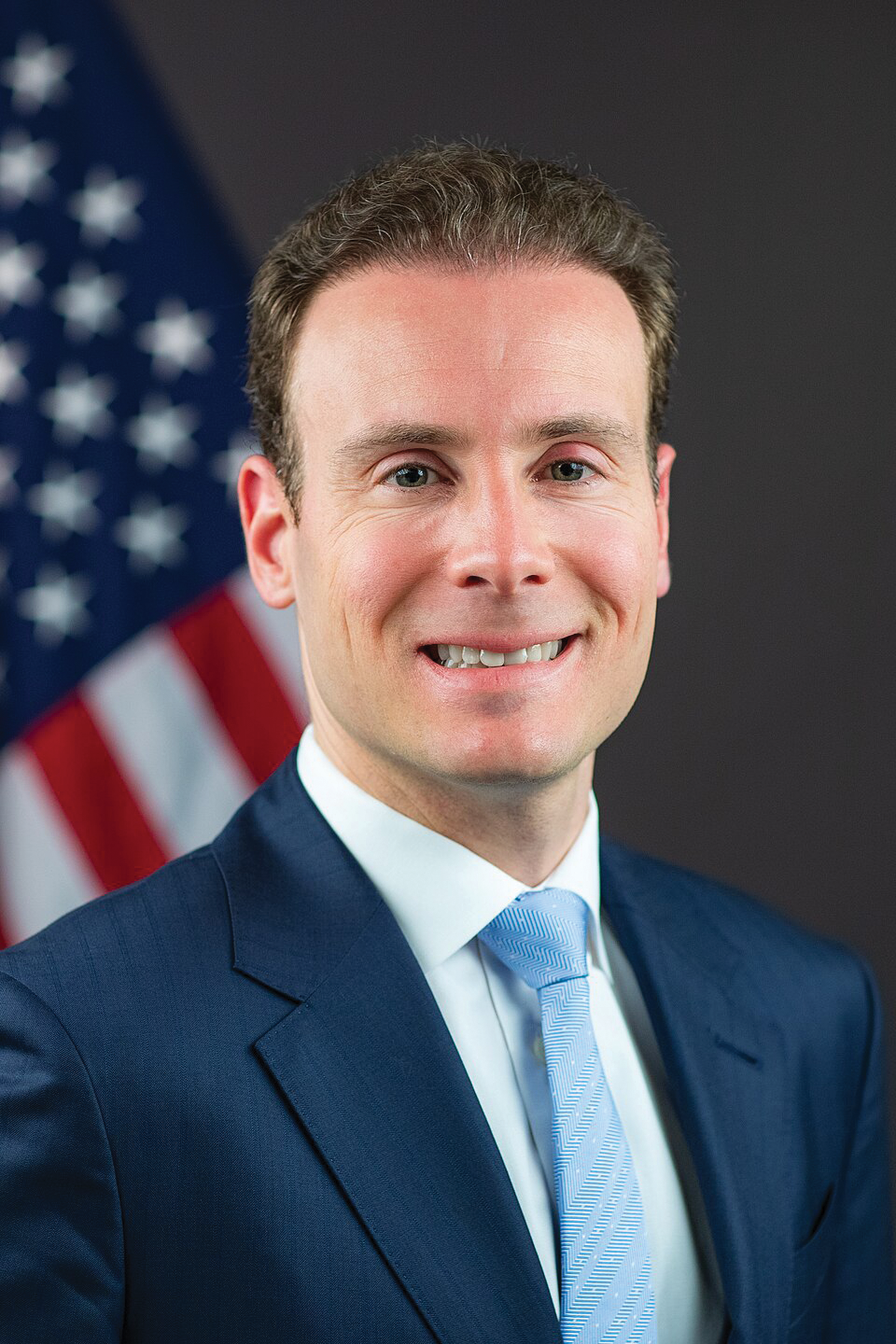
A day earlier, Selig penned a column headlined “States encroach on prediction markets” in The Wall Street Journal. Selig described why the agency decided to support Crypto.com in a separate brief before the Ninth Circuit, although he did not address any tribal gaming issues in the column.
However, his rift with the states may tacitly be directed at the tribes as well, since the IGA along with state regulators and the AGA are practically in lockstep on prediction market issues.
Despite the contentious battle, Bean remains undeterred. During the February panel discussion in Washington, he stressed that derivative contracts originated as products for farmers to assist them in hedging risks associated with crop production. That’s far different, he believes, from their new use facilitating sports wagering.
“They are not innovative financial tools,” Bean said. “They are illegal sports betting products being routed through futures exchanges to avoid gaming law. That is a direct attack on tribal sovereignty.”