Effective Marketing to Younger Adults


For years, casinos have asked the same question: How do we attract younger customers?
The answers typically fall into familiar patterns. Sometimes the focus is on marketing tactics: new creative, new channels, new nightlife energy. Sometimes it’s framed as a defensive move against aging databases. And sometimes it’s presented as a binary: Either you’re a destination property built for the next generation, or you’re a regional casino stuck with the same customer forever.
That thinking is outdated and, more importantly, unhelpful.
The real issue isn’t that younger adults don’t gamble. It’s that the decision model for how they choose entertainment has changed. Younger guests make choices differently, evaluate value differently and abandon experiences more quickly when something feels confusing, inconvenient or misaligned with how they spend their time.
Andrew Klebanow, a gaming industry consultant who has conducted extensive customer research across the United States, says the industry still operates on assumptions that no longer hold. “The gaming industry has held the belief that the core profile for casino customers are empty nesters, aged 50 and over. The rationale is simple: People in that age cohort have two things that younger demographics don’t have—time and money.”
The real issue isn’t that younger adults don’t gamble. It’s that the decision model for how they choose entertainment has changed.
But Klebanow’s focus groups reveal a different reality: “Casinos attract a far greater mix of customers than just empty nesters. These include the 21-to-35 and 36-to-45 segments. They come into casinos even though most marketing communications aren’t targeting them.”
In destination markets, younger adults show up because the market supplies them tourism density, group travel and planned weekends.
Regional markets are different—built on repeat behavior, local rituals and default choices. The 21-35 cohort may be present in smaller numbers and often doesn’t see the casino as a first option.
But that doesn’t mean regional casinos are locked out of younger growth. It means the work is less about chasing a demographic and more about designing a compelling choice. The question becomes: What would make a 29-year-old or a 41-year-old choose the casino as their best option this weekend, and then choose it again next month?
That question leads to an important conclusion: “Younger” is not one audience. It’s at least two. Casinos that treat it as one will keep producing strategies that feel expensive, exhausting and only intermittently effective.
No Single Solution
When casino leaders say, “We need younger guests,” they often imagine a single solution: more social, more modern, more energy.
But the most reachable “new younger” guests fall into two very different cohorts—roughly 21-35 and 36-45. And the gap isn’t primarily age. It’s a life structure.
The 21-to-35-year-old guest is making a social purchase. The decision isn’t, “Where do I want to gamble?” but, “What are we doing tonight?” Their spending is tied to momentum—where friends want to go, where the vibe is and where it will be easy and fun.
The 36-45 guest is making a time purchase. The decision isn’t, “What’s trending?” but, “Is this worth leaving my house?” Their calendar is tighter, and their energy more precious. They will spend—but they demand reliability, comfort and effort that feels worthwhile.
Casinos try to win both groups with the same idea: add late-night energy to pull in 21-to-35 while “not bothering” the core, or build a generic “younger” campaign that says nothing specific enough to be a reason to visit.
What works better is a two-lane approach, designing for two different visit missions.
• Lane One (21-35): Social Discovery
• Lane Two (36-45): Time-Efficient Escape
These lanes aren’t rigid. A 44-year-old can show up on a social discovery mission. A 28-year-old can show up on a time-efficient escape mission. But these two visit missions are concentrated in these two cohorts, and they ask the casino to deliver two different promises.
Regional Reality: Designing the Local Choice
Destination markets attract younger adults through external demand: conventions, weekend travel and nightlife districts. Regional casinos win by being the most dependable option among a smaller set of alternatives.
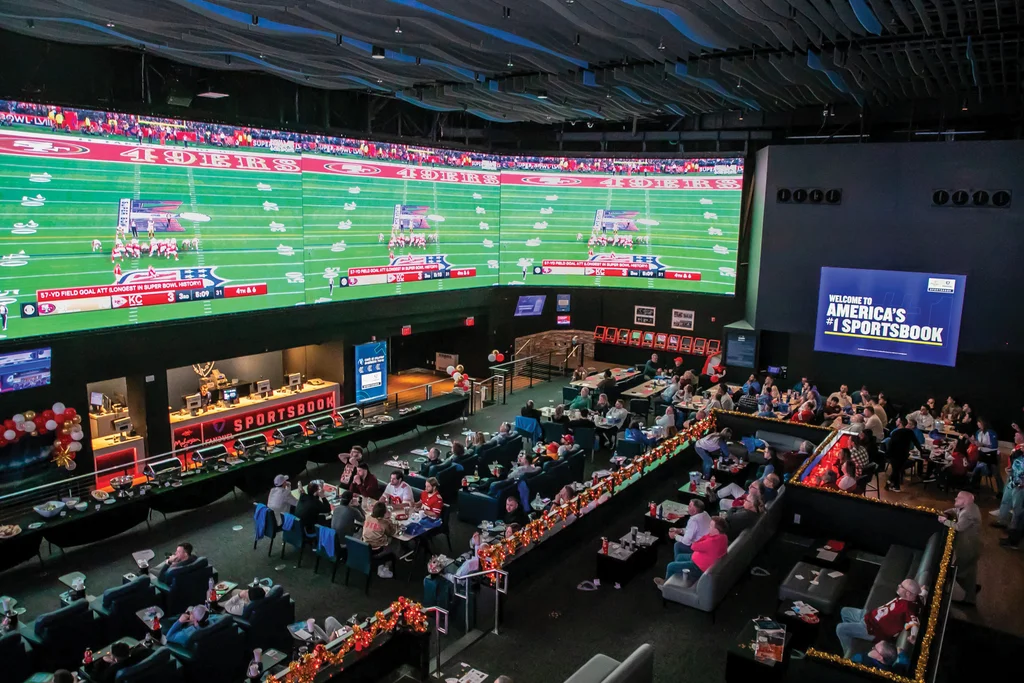
The “younger” guest (especially ages 21-35) doesn’t arrive by habit. They arrive through relevance. Some regional markets are seeing meaningful shifts. For example, where sports betting has become culturally relevant, sportsbooks can serve as an on-ramp aligned with existing social rituals.
Similarly, addressing environmental barriers—from air quality to F&B that reflects current tastes—removes obstacles that younger guests don’t articulate. When they’re not impressed, they just don’t return.
A two-lane approach requires rethinking what the casino is selling. And it’s not gambling. It’s a visit in which the “experience stack” is the product.
Regional markets can win younger guests, but not by copying destination tactics. They win by designing the local choice.
“Everything you do in the physical casino space has to be done with purpose,” says Brett Abarbanel, executive director of research at the University of Nevada, Las Vegas. “It has to fit into the broader culture of your property. The culture of a destination resort is inherently different from that of a local property. Local markets often adopt the culture of the community in which they exist.”
Social Discovery vs. Time-Efficient Escape
When you accept that “younger” spans two cohorts, you stop treating this as a branding problem and start treating it as a design problem.
In Lane One: Social Discovery, the 21-35 guest is buying into a story: “That was a great night.” Their barriers are often psychological and practical: “Will I feel out of place?” “What exactly are we doing when we get there?”
For this cohort, social interaction has evolved in ways that land-based entertainment still struggles to accommodate. Abarbanel points to a fundamental shift: “Social interaction is different now. The idea of gaming, whether that’s gambling or video gaming, is not necessarily the same kind of individual activity we sometimes think of it as.
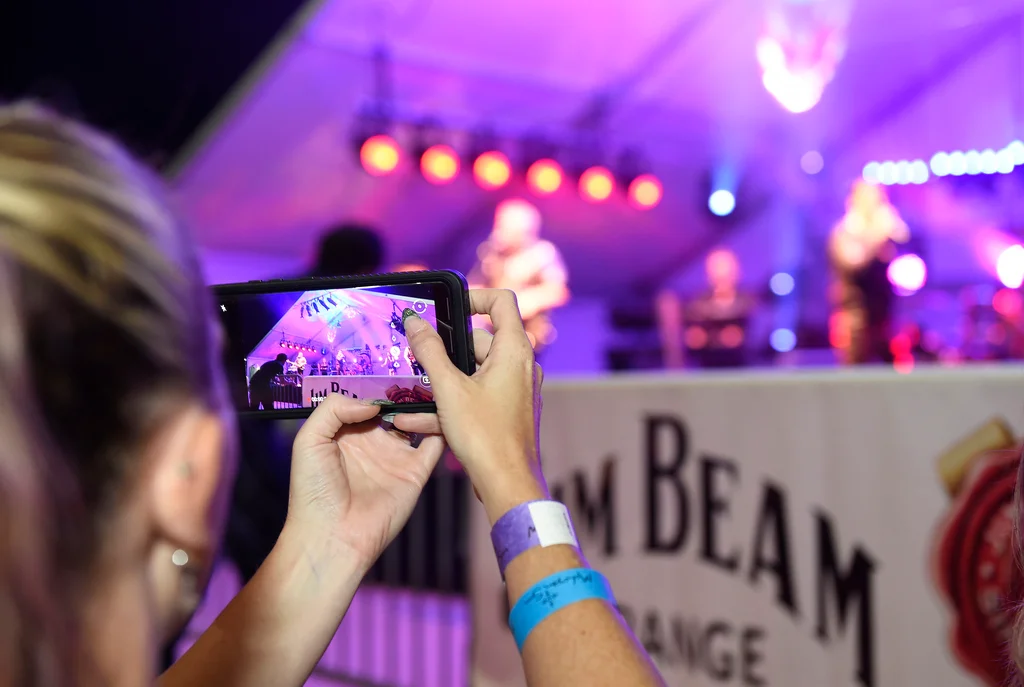
“You have groups watching streams together. You’re chatting together while you watch. Even when you may be kind of by yourself, you’re still with other people—just in a different way.”
When this cohort chooses a physical experience over a digital one, they’re looking for something that justifies the effort: a reason to gather, a shared moment and a way to show they were part of something.
In Lane Two: Time-Efficient Escape, the 36-45 guest is buying relief: “That was worth it.” Their barriers are time and energy: “Is this going to be a hassle?” “Will there be lines?” They respond to predictability, convenience and quality. They don’t want chaos; they want ease.
Design for Decision Models, Not Demographics
A two-lane approach doesn’t require complete reinvention. It does require rethinking what the casino is selling. And it’s not gambling. It’s a visit in which the “experience stack” is the product.
The strongest “younger” experiences are not “Come gamble” messages. They are a sequence of steps guests can imagine:
Arrive—food/drink—a moment—optional gaming—easy ending.
Regional casinos often market components: free play, a giveaway and a concert, without packaging the full experience as the product. The younger guest wants to know what the night looks like, not just what the incentive is.
Consider the contrast: A group of twenty-somethings is deciding where to go Friday night. Casino A features a cover band playing classic rock from before they were born and a promotion that requires knowledge of tier points. Casino B features a regional DJ they’ve heard of, shareable small plates and, “Doors at 8, music at 9, no cover with card sign-up.” Which one gets the group text?
Klebanow points to a common disconnect: “Invariably, casinos lean towards cover bands that play music that appeals to baby boomers.” He cites a recent example. “I saw a commercial for a Las Vegas locals casino that used the Cars’ 1979 hit song as the theme for their ad. If my math is correct, that song was released 47 years ago. Does anyone think that song holds any appeal to people under the age of 65?”
The same principle applies throughout the visit: A 40-year-old couple with 90 minutes before the babysitter’s done will choose the property that offers reservations and service paced for people who value their time, rather than one with unpredictable waits.
For 21-35, the stack removes uncertainty. For 36-45, it removes planning fatigue.
Friction = Revenue Leak
Casino marketing often asks guests to decode point multipliers, tier credits, bounce-back thresholds and mailer logic. Traditional players will do that work because the casino is already part of their routine. Younger guests will not. They choose what’s easy to understand, easy to explain to a friend and easy to justify as a night out.
The true competitor for a casino isn’t another casino. It’s the couch. Streaming is frictionless. So is delivery. Sports can be watched in high definition at home. Casinos don’t lose because they’re boring. They lose because the decision feels like work.
Friction is anything that makes a guest hesitate: sign-up processes that feel like applying for a mortgage, long redemption lines, unclear signage, parking that feels like a chore, table minimums that say “This isn’t for you,” food ordering that isn’t seamless, staff who don’t offer help unless asked, and promotions that require in-person redemption when everything else works digitally.
Friction is particularly costly for 21-45 because these guests have viable alternatives that feel simpler. The best operators audit the entire visit for moments when the guests think, “This is annoying,” rather than, “This is fun.” Then they remove those moments systematically.
Energy Zoning
A common “younger” misfire is trying to raise the energy everywhere, all the time. That can create discomfort for 36-45 guests who want an adult-paced escape. And it can still fail to convert 21-35 if the experience doesn’t feel socially natural.
The better approach is energy zoning: Designate certain windows and spaces for social discovery, and others for time-efficient comfort. The 28-year-old arriving at 10 p.m. with six friends has different needs than the 42-year-old arriving at 6 p.m. for dinner. Both can coexist and become loyal if the property acknowledges their distinct visit missions.
Loyalty: From Earn Rates to Recognition
Many loyalty programs were designed to reward gaming behavior. For both cohorts of guests, loyalty must also validate the full visit.
For 21-35, loyalty should reduce intimidation and show visible rewards quickly. What works: instant gratification, visible progress and perks that enhance the social experience. A free drink after the first visit. Priority access to the events they want. Simple language that explains exactly what they get and when.
For 36-45, loyalty is about recognition and convenience. This guest expects preferences to be remembered and time respected. They want seamless service, not redemption processes that require three kiosks and a floor manager.
The strategic reframe: Loyalty should feel like membership, not math.
The Three Traps
Trap No. 1: Mistaking aesthetics for strategy. Modern design and a younger-looking creative cannot substitute for a reason to visit. A renovated space with the same friction points will yield the same results.
Trap No. 2: Buying visits instead of earning preference. Discounting can bring a younger guest in once. It rarely builds repeat behavior unless the overall visit is worth returning for. The 21-45 guest is willing to pay for quality and convenience. They just need to believe they’ll receive it.
Trap No. 3: Copying destination playbooks in regional markets. Regional casinos don’t need to become a mini-Vegas. They need to be the best local choice for two visit missions: social discovery and time-efficient escape. What works in a tourism-driven market does not translate directly to a regional property where the same 15,000 people choose between you and three competitors every week.
Operate Younger
Attracting younger customers is not a marketing campaign. It’s an operating mindset.
The most successful properties won’t be those that shout, “We’re for younger guests.” They will be those that quietly redesign the visit so younger adults choose them more often because they feel clear, easy, rewarding and aligned with how they spend their time now.
In destination markets, younger adults will continue to arrive through tourism and density. In regional markets, the opportunity is different. Build relevance, build repeatability and design the local choice for two realities: for 21-35, social discovery; and for 36-45, time-efficient escape.
The casinos that win 21-45 won’t be the ones that market to younger audiences. They’re the ones that operate for younger audiences. This requires rethinking operations, not just refreshing creative. For regional operators willing to do that work, the opportunity is real. The younger guests are already in your market. Give them a reason to choose you.