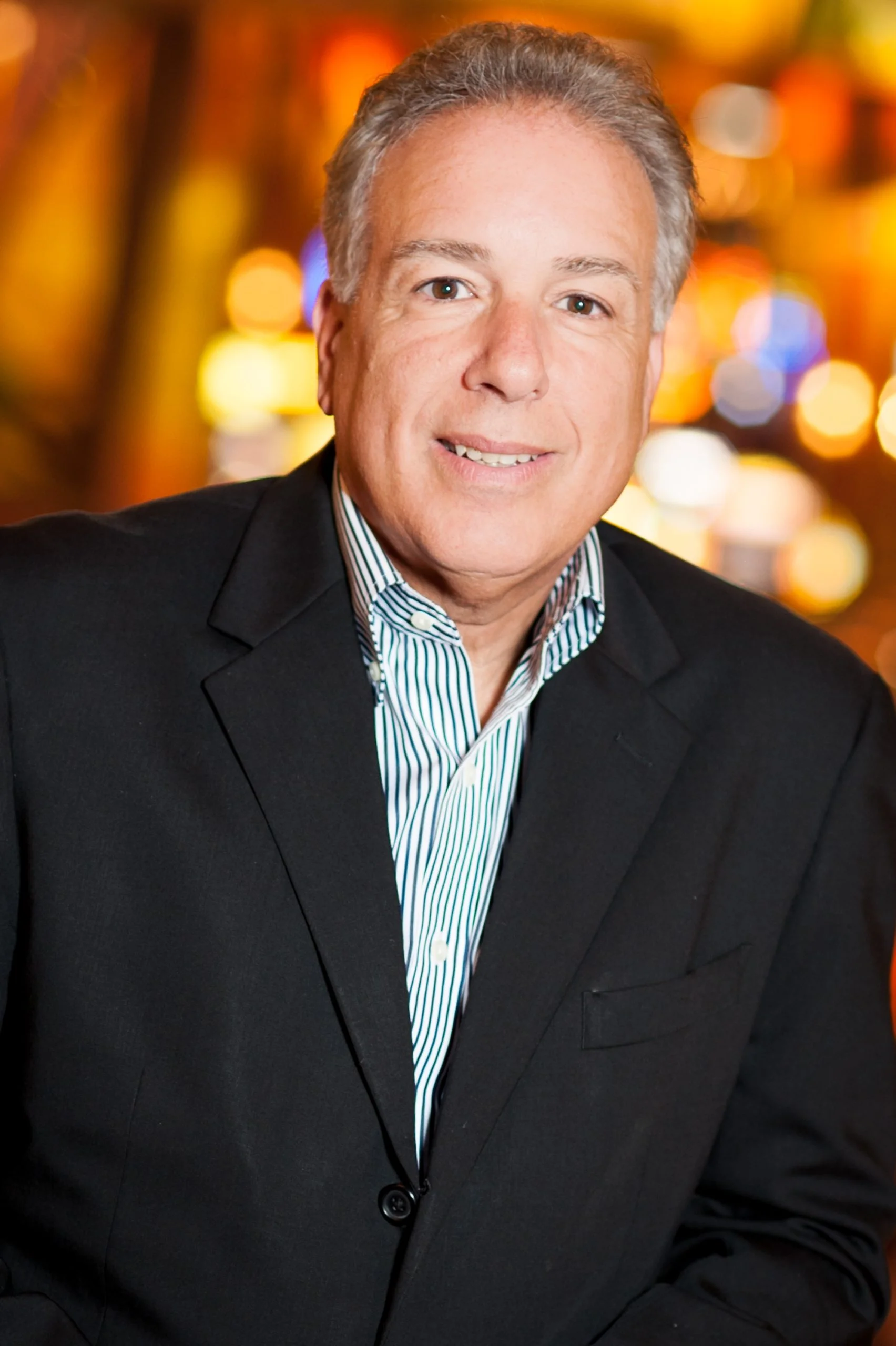
Derek Webb


Derek Webb is a former poker player who invented Three Card Poker. He sold that game and another, 21+3, and retired in 2011. When he returned as the founder of the Campaign for Fairer Gambling, he shook up U.K. gambling by leading the successful charge to reduce the maximum stake per spin on gaming machines in the bookmaking shops from ₤100 to ₤2. Now, he’s set his sights on the illegal—and legal—online gaming sites that he claims are damaging online players and the world’s economy. He spoke with GGB Publisher Roger Gros in Los Angeles in January.
GGB: Tell us about Three Card Poker, the game you invented.
Webb: There were only two games at the time which were my competitors, Caribbean Stud and Let It Ride. Our product was superior because it was quicker—more decisions per hour—and got more bets into action.
You designed Three Card Poker to be fairer to players. How did you roll it out?
Yes, the hold on the two games that already existed was around 25 percent. I wanted the hold on Three Card Poker to be under 20 percent.
We provided an advice card on how to play the game. Training the dealers was key because there were payoff mistakes. In Mississippi for our trial at the Grand Gulfport, we had two games and 30 dealers. I realized the way to make the game successful—you’ve got to get exposure in an area. So I focused on growing the number of installations in proximity to each other.
The two companies that owned the other alternative games wanted to buy Three Card Poker. What happened there?
Mikohn, which owned Caribbean Stud, sued me for alleged patent violation, so I sold it to Shuffle Master, which owned Let It Ride. It was eight years later that I proved the Mikohn suit was an antitrust violation, an attempt to monopolize the market using sham litigation and fraudulent patents to damage me. After a six-week federal civil trial we were awarded treble damages as an antitrust award.
What happened when you sold U.S. Three Card Poker to Shuffle Master?
Shuffle Master raised the odds on the “Pair Plus” bet and boosted the hold to over 25 percent, and now it’s closer to 30 percent. Lots of players now say Three Card Poker is the worst game in the house.
Tell us how and why you founded the Campaign for Fairer Gambling.
There was the 2005 Gambling Act in Britain, which came in force in 2007. Prior to that, the bookmakers who had shops all over Britain had not been subject to regulation. The 2005 Act was a disaster in a couple of respects. Firstly, it legitimized machines that had been placed in betting shops illegally. These were gaming machines, but the pretense was that they were fixed odds betting terminals, where the winners were determined by a central server that could have been someplace in Wales. The maximum bet was ₤100 and most of the games were in deprived areas.
Secondly, the Act didn’t regulate remote gambling. We didn’t require the companies to move to Britain. So they were regulated in places like Gibraltar and the Isle of Man. Those aren’t regulators, they are facilitators.
Now I’m absolutely opposed to overregulation, but we need sensible regulation. That’s what my campaigning is all about.
You’ve started to become active in the U.S. In a report you commissioned from Yield Sec, the illegal U.S. online market hit $40 billion in 2023 and is on its way to $1 trillion historically. What is the target of this report?
We’re pointing out how pervasive the illegal market is. We’re allowing offshore crime to harm the U.S. consumer and to harm the U.S. economy. It used to be telephone betting, and it was sports only, which wasn’t as bad as today’s casino is. The legalization of sports betting in the U.S. has not resulted in a decline in the illegal market. Because total consumption has been increased, total harm will have increased.
Some U.S. states have attempted to battle illegal online gambling by sending cease-and-desist letters to sites like Bovada. What can states do to effectively end illegal online gambling?
You remember years ago Bovada was Bodog, right? Who’s to say next year they won’t become Bo Peep? A letter from a state’s attorney general doesn’t carry much weight.
What can the federal government do that states cannot do?
The federal government screwed up when Antigua took the U.S. to the World Trade Organization in the 2003-2009 timeframe. The U.S. trade representatives dropped the ball by not recognizing Antigua sites were in breach of U.S. intellectual property rights when they were getting U.S gamblers to gamble on sites licensed by Antigua. You should be able to control gambling within your own borders. But it is a multifaceted problem because states are granting licenses to entities that are engaged in unregulated markets. If you’ve not been given permission to get revenue from a jurisdiction, if you are getting money from those gamblers there that you’re not entitled to, it’s the equivalent of money laundering.
Do you believe that online gambling is a detriment to the economy?
Yes, because it takes discretionary spending away from other entertainment, hospitality and leisure offerings. And if you look at the Flutter and DraftKings SEC filings, they recognize that it is discretionary spend. Online gambling has fewer employees, shorter supply chains and fewer economic multipliers. So, the rate of taxation of online gaming should be much higher to make up for the fact that it’s taking money away from other businesses.