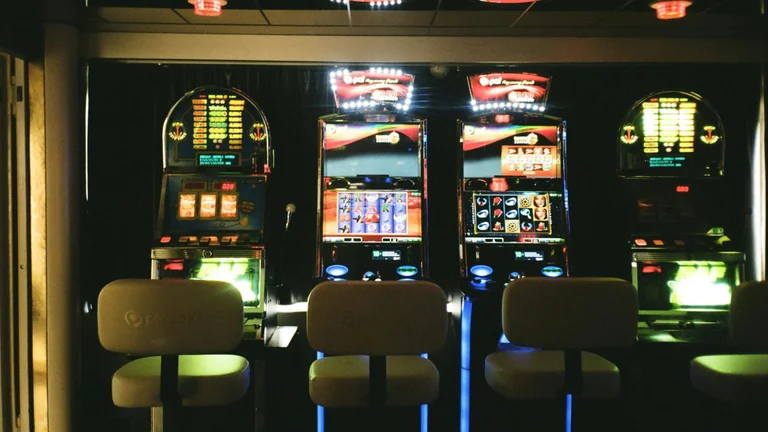
Court Split Preserves Electronic Table Games at Minnesota Racetrack

A split Minnesota Supreme Court left intact a lower-court ruling that clears the way for Running Aces Casino, Hotel & Racetrack to expand dealer-assisted electronic table games, rejecting a tribe’s challenge on procedural grounds while acknowledging the tribe had standing to sue.
Key Takeaways:
- The Minnesota Supreme Court upholds expansion of electronic dealer-assisted table games at Running Aces.
- The ruling leaves key legal questions about tribal gaming laws unresolved.
- Industry watchers see ongoing disputes over hybrid gaming products and market share.
Court Split Clears Path for Electronic Table Games
The ruling sustains the Minnesota Racing Commission’s 2023 approval permitting one additional dealer table and 11 player stations that pair a live dealer with video screens at player terminals.
According to the court record, “The decision permits Running Aces to add one dealer table and 11 player stations to the card club in the form of electronic table games.”
The court was evenly divided on the substantive merits and therefore affirmed the appeals court without deciding whether the devices fall within statutory restrictions on tribal-only gaming.
Industry observers say the outcome preserves a narrow path for nontribal card clubs to deploy hybrid electronic tables while leaving significant legal uncertainty.
Hybrid Gaming Ruling Keeps Tribal-Commercial Tensions in Play
According to Tribal Business News, the Shakopee Mdewakanton Sioux Community in its suit had argued the expansion intruded on games reserved to tribes under Minnesota law and exceeded statutory table limits; the tribe had previously framed the devices as unlawful gambling machines rather than card-based play.
The tension mirrors a broader trend, which noted that operators are increasingly turning to customised, hybrid electronic table products as a way to expand capacity, manage labor costs and differentiate floor offerings without adding traditional live tables.
Running Aces’ win does not resolve the statutory questions, and similar disputes remain active across the region as racetracks and tribal operators jockey over product offerings and market share.
Operators and regulators will now confront how the decision affects licensing, floor counts and future commission rulings.
Running Aces may proceed with the approved buildout, but the split decision signals potential for further challenges or legislative clarification if parties seek a definitive ruling on the underlying legal distinctions between electronic dealer-assisted tables and tribal video games of chance.