
Clearing the Air

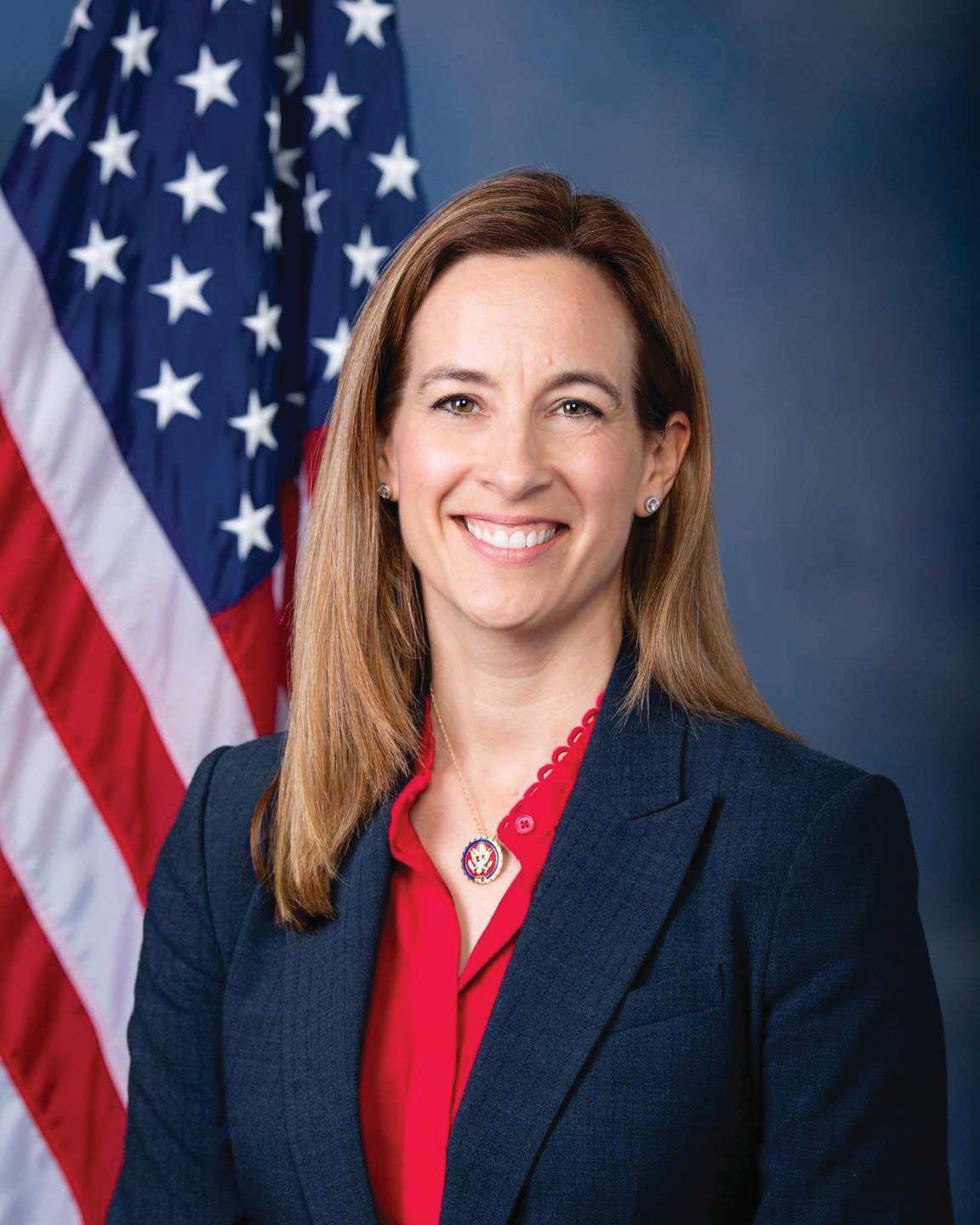
When Rebecca Michelle “Mikie” Sherrill defeated Jack Ciattarelli in November’s New Jersey gubernatorial election, the thoughts of anti-smoking advocates in the state turned immediately to Atlantic City and the years-long effort to eliminate the smoking permitted inside the city’s casinos.
The contest between Sherrill, a former naval officer and federal prosecutor who most recently was the Democratic U.S. representative for New Jersey’s 11th congressional district, and Ciattarelli, a former Republican assemblyman who narrowly lost to Governor Phil Murphy in 2021, had been expected to be very close, but Sherrill won by a large margin.
Sherrill’s background would suggest command of a range of issues that she will face after January 20, when she is sworn in as New Jersey’s 57th governor. A native of Alexandria, Virginia, she received a bachelor of science degree from the U.S. Naval Academy in Annapolis, a master’s degree in international and world history from the London School of Economics, a certificate in Arabic language from the American University in Cairo, and a juris doctor from the Georgetown University Law Center.
After college, Sherrill was a U.S. Navy helicopter pilot, flying missions in Europe and the Middle East over nine years of active duty. In 2015, she became assistant U.S. attorney for the New Jersey District. She was elected to the U.S. House of Representatives in 2018.
Among the casino-related issues Sherrill faces will be the online gaming and sports betting tax, recently increased to 19.5 percent. While Sherrill did not address the issue in the campaign, pundits have commented that she may push for a higher rate to raise state revenue.
There also is the issue of northern legislators’ push to add casinos outside of Atlantic City—specifically near the border with New York, which just approved three downstate casinos. That move would require a voter referendum, and it’s not likely to happen any time soon.
The smoking issue, though, is almost certain to resurface this year. Atlantic City casinos were granted an exemption to the 2006 Clean Air Act, which banned indoor smoking in most workplaces and public settings. Advocacy groups led by Casino Employees Against Smoking Effects (CEASE), a group founded by longtime Atlantic City casino dealers, and the national Americans for Non-Smokers’ Rights have been lobbying Murphy and lawmakers in Trenton for years to eliminate the loophole that allows smoking on 25 percent of casino floors.
Both candidates addressed the smoking issue during the campaign. Ciattarelli generally supported the casino industry side of the issue, which holds that a complete smoking ban would lead to a severe hit on gaming revenue, causing job losses and perhaps even casino closings.
Last June, Sherrill’s comments to the Press of Atlantic City reflected the view of the anti-smoking advocates. She said, “It is unacceptable to force working families to make a choice between earning their paycheck and protecting their health, particularly given that we know lung cancer is the top cause of cancer deaths in New Jersey.”
However, she also gave a nod to the operators’ position, saying,
“Within this conversation, we also must focus on economic development within Atlantic City… I know there is ongoing work being done on compromise legislation, and I want to see a proposal that prioritizes employees’ health and also keeps good-paying jobs here in Atlantic City. We need to make sure Atlantic City’s tourism industry remains competitive.”
That compromise legislation has been stuck in the New Jersey Assembly, as the casino lobby has exerted pressure on lawmakers to avoid a total ban.
Murphy said repeatedly that he would sign any casino smoking ban that reached his desk, and Sherrill has indicated she would sign a compromise bill. After the election, in a statement congratulating Sherrill, CEASE said it was “looking forward to working with her to close the casino smoking loophole that has left casino workers breathing toxic air for far too long.”
Regardless of the intentions of the new governor, it is still up to the legislature to pass a smoking ban. According to CEASE, 80 percent of South Jersey voters support a ban.
Whether Sherrill will make an effort to convince enough of those voters’ representatives to send a smoking ban to her desk is something that remains to be seen.