A Vision for Responsible Gambling and Real Change
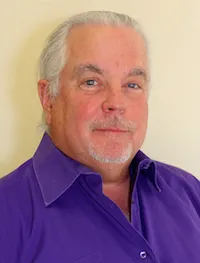
Former casino executive Daniel Real has launched a new business aimed at reducing the impact of problem gambling across the board. Exclaim Recovery focuses on treatment but as Real points out, it starts with a realigning and rethinking of the issue to build a new framework for education and recovery.
There are very few opportunities in life to create complete industry alignment. I am hoping what I am proposing to you today can do just that. Since 2018, in barely seven years, the United States has witnessed a seismic shift: sports betting legalized in 39 states plus Washington, D.C., with seven offering iGambling. This rapid expansion overwhelmed regulators, burdened therapists, confused care providers, and left countless individuals vulnerable. Yet here is the hopeful truth: change is both urgent and possible. If we unite around clarity, shared responsibility, and sustainable funding, we can build a framework where prevention is strengthened and care is accessible to all who need it.
- Regulators: A Strong Independent Force to Guide the Industry
What happened:
- In May 2018, the Supreme Court struck down PASPA, opening the floodgates for legalized sports betting.
- Regulators, who had been focused primarily on brick-and-mortar casinos, suddenly faced a brand-new landscape. Operators moved quickly, drafting rules and regulations that many states adopted in the interest of speed.
- Several states then copied and pasted frameworks from others to launch their own markets as quickly as possible.
The reality today:
- As of mid-2025, 39 states plus D.C. permit legal sports betting, and 7 support iGambling. Everyone is punch drunk. It’s okay, that was fast. As Ron Burgandy would say “Boy, that escalated quickly…I mean, that got out of hand fast.”
The call to action:
- Regulators did what they could under difficult and unexpected circumstances. That time has passed. Now it is essential to step into a new role as a strong, independent force that guides the industry with balance and integrity.
- The industry requires regulatory bodies who will lead, not follow. By setting clear expectations and reshaping oversight, regulators can restore the credibility and accountability needed to protect both markets and people.
- Words Matter: Phase Out ‘Responsible Gaming’ and Establish Clear Language
Why language matters:
The terminology we use is more than semantics. Words frame responsibility, accountability, funding, and recovery. Right now, “responsible gaming” is confusing, outdated, and inconsistent. It obscures roles and prevents stakeholders from working together effectively.
My proposal:
- Responsible Gambling: Prevention and protective measures managed by operators to reduce risk.
- Gambling Care: Support for individuals who have moved beyond prevention. This includes counseling, therapy, recovery groups, and telehealth programs.
Why this shift matters:
- Operators focus on Responsible Gambling.
- Care providers, therapists, and peer groups deliver Gambling Care.
- Regulators and policymakers gain clarity on accountability.
- Gambling Care eliminates the “problem, harm, disorder, addiction” word salad and helps us to reduce the stigma. This gives therapists an opportunity to define variations with the person in their care.
Who can lead:
- ROGA, representing 85 percent of the industry, could take the first step by rebranding as the Responsible Online Gambling Association. This demonstrates leadership and commitment to clarity without altering mission, logo, or purpose.
- NCPG and America Gaming Association should also embrace this framework. Imagine the 2026 national event being called the National Gambling Care and Responsible Gambling Conference. AGA, isn’t it time? You can show industry leadership by changing your name. This will better align you and your organizations to finally get some clarity around what they need to do. This kind of alignment will cut through the noise and bring progress.
- Language consistency is essential. Let us stop calling it “gaming.” If we are willing to call platforms like Kalshi or Robinhood gambling in policy discussions, then we must also be willing to call sports betting, iGambling and casino wagering exactly that: gambling.
Immediate impact:
With clearer language, operators will demonstrate their commitment to prevention, regulators can measure progress, and care providers will know exactly where they fit. Most importantly, people experiencing harm will finally have a system they can understand and trust.
- Funding and Measurement: Building a System that Works
The gap:
Currently, funding streams are fragmented and often disconnected from measurable impact. Prevention work is underfunded, while Gambling Care providers struggle to keep up with demand or prove outcomes.
What needs to happen:
- Tie funding to results. Every dollar should support either prevention under Responsible Gambling or treatment and recovery under Gambling Care.
- Establish data collection systems that use anonymous or aggregated insights to inform best practices and guide future funding.
A call to Massachusetts:
You have one of the most robust funding models in the country. Take the lead by dividing resources between Responsible Gambling and Gambling Care. Build a model where Gambling Care is easily accessible: telehealth, certified therapists, Gamblers Anonymous, peer-support networks – accessible to anyone regardless of location or income. Show us the way while we embrace the change and create our own path.
The vision:
- Access to Gambling Care nationwide. Whether through virtual therapy, peer recovery, or clinical support, no one should be denied care because of cost.
- Clear accountability. Operators, regulators, and providers know exactly where responsibility lies.
- Shared learning. Outcomes are tracked, best practices identified, and effective programs funded for replication.
Why it matters:
With funding and measurement working in tandem, accountability becomes real. Operators can show genuine commitment to prevention, regulators can enforce standards with confidence, and providers can prove the value of their care. Everyone benefits, especially those most at risk.
We are in this together
This is more than an article to me; it’s a solution. Regulators, operators, associations, care providers: step into clarity. Embrace unified language. Tie funding to results. Together, we can create a transparent system where Responsible Gambling truly protects and Gambling Care supports recovery. Millions of lives depend on it. It’s easy to say no; it’s hard to accept change. I am tired of fighting when in the end we all want the same thing. I am fully aware that there is zero chance I have thought of everything. I hope this is far enough along that you can see the vision and are willing to take a chance.
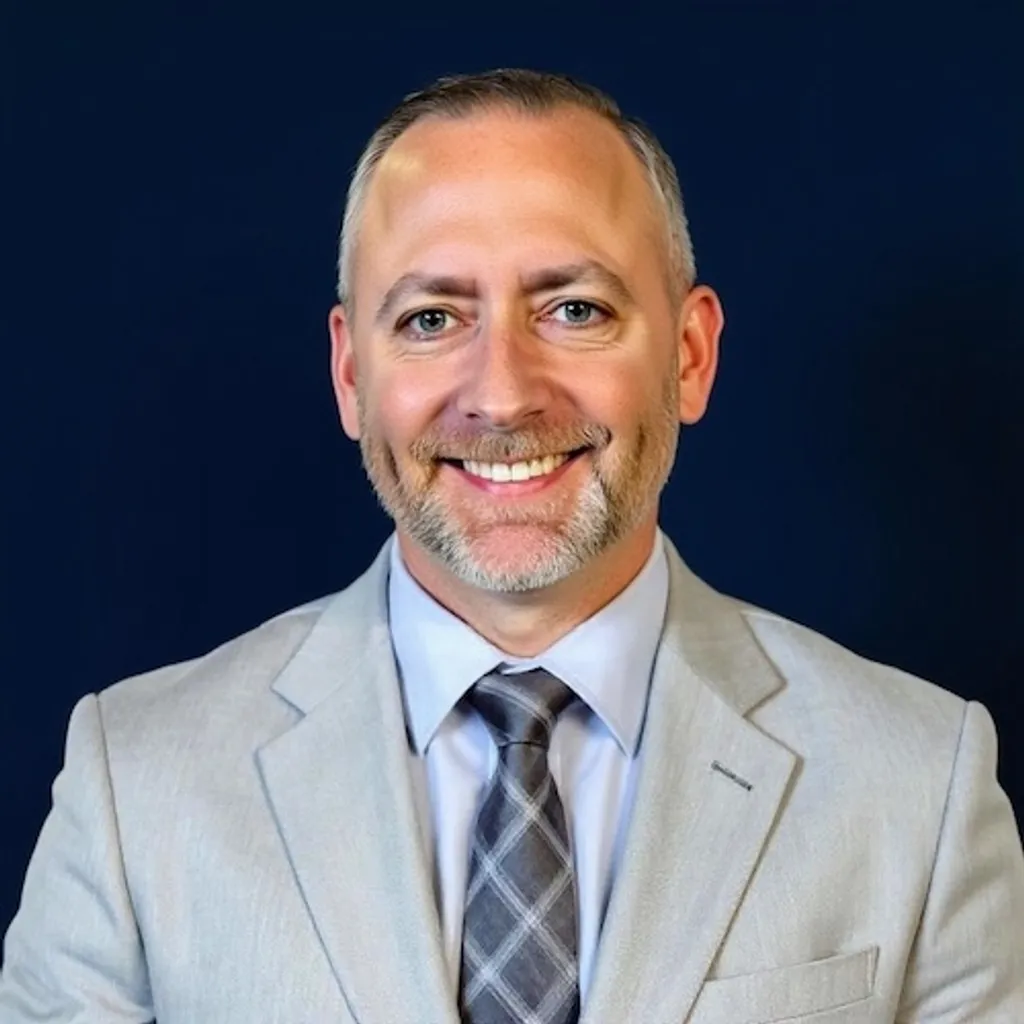
Daniel Real retired after a 28-year career with Caesars Entertainment. His passion has now turned towards helping those struggling with gambling harm, and he is the Founder/CEO of Exclaim Recovery. Daniel’s company is built on his lived experience, the first Gambling Harm AI Assistant, Hope, and building a community that is supportive and available 24/7. Daniel’s goal for Exclaim Recovery is to become synonymous with Gambling Care for all who need it, including friends and family.