The Seminole Model

The U.S. Supreme Court upheld the Seminoles’ Florida compact giving them a monopoly on sports betting. Can other tribes benefit?
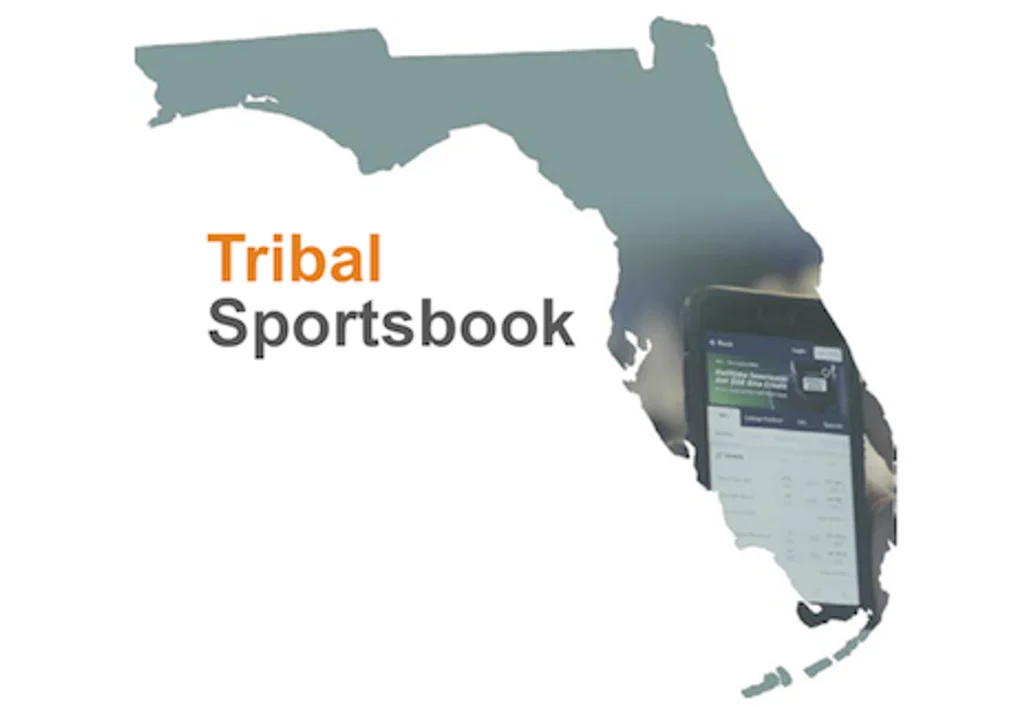
Bob Jarvis wasn’t at all surprised when the U.S. Supreme Court in June opted not to hear the case that could have changed the face of Florida sports betting. After all, he said, even though the internet as we know it didn’t exist in 1988, when a federal framework for Indian gaming was put into place, the Congress that passed the Indian Gaming Regulatory Act (IGRA) most certainly would have embraced digital gambling had it been around.
“If (Congress) had known that everyone would have something called smartphones, where they could bet from their phones,” says Jarvis, a constitutional law professor at NOVA Southeastern, “if in 1988, we had known about that, then that Congress would have said, ‘Of course we support that idea.’
“It would have been a way for the tribes to make a lot more money. It boggles the mind to think that Congress would have voted against that.”
When it comes to online sports betting and gambling, Florida’s Seminole Tribe has managed something no other tribe or commercial operator has. The tribe has all but secured a monopoly in one of the four biggest states.
In New York, the biggest state with legal sports betting, there can be up to nine platforms. California and Texas, the two biggest U.S. states, don’t yet have any form of online gambling. It’s likely that when they do, though, there will be multiple platforms.
After the U.S. Supreme Court in June declined to hear a case that could have changed the status of Florida sports betting, there are currently no active federal court cases challenging the tribe’s 2021 compact with the state or its right to a monopoly on digital betting. The Supreme Court’s choice not to hear the case ended a nearly three-year odyssey through the federal court system. In 2021, West Flagler & Associates (WFA) challenged the compact that gave the tribe a monopoly. And since then, a district court found in the parimutuel’s favor, and an appeals court overturned that decision.
Tribal Opportunity
The Supreme Court’s choice not to hear the case means that the appellate court decision stands. Many in the gambling world believe the decision opens new opportunity for tribes in other states. But those in Indian Country are still examining the decision and assessing how to apply it. Florida is a unique situation—there is one tribe that offers Class III gaming, and it has a solid relationship with the state.
In California, Minnesota and Oklahoma—the three biggest tribal gaming states that don’t have legal online betting or gambling—the landscape is vastly different. Minnesota has 11 federally recognized tribes, Oklahoma has 39, and California has more than 100. So while the Seminoles were able to negotiate a compact that fit their needs, in other states, tribes must negotiate as a group. And it’s no small feat for a diverse group of tribes to find common ground.
The 2021 Seminole compact allows for bets to be considered placed where received, meaning that any bet placed within Florida is considered to have been placed on Seminole land if it flows through a Seminole server. By many accounts, the compact stretches the reach of IGRA.
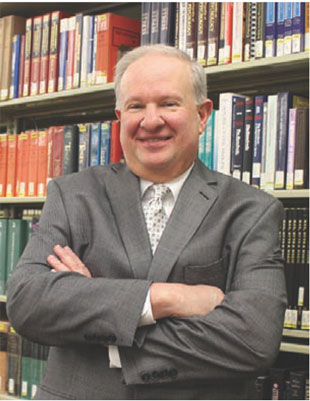
From Jarvis’ perspective, it’s not that big of a reach.
At its core, IGRA gave federally recognized tribes exclusivity to gaming. Practically, it raised many tribes out of poverty. Because the internet—or smartphones, for that matter—wasn’t in wide use in 1988, the Congress that passed IGRA did not contemplate digital gaming.
Whether or not that Congress would have approved internet betting or gambling for tribes is a no-brainer, Jarvis says. He explains that in the legal world, the concept of “omitted case” applies. In a situation where there is “no real answer” to a legal question, either because the question wasn’t considered or an answer couldn’t be found, “you have to go back in a time machine and ask those legislators what they would have done.”
Given the broad bipartisan support behind IGRA and Congress’ desire to create a situation in which tribes could stand on their own, the 1988 Congress most certainly would have approved digital gambling.
Had the Supreme Court taken the Florida case and had it found in favor of West Flagler, Jarvis says the current Congress would likely have overruled the courts.
If that happened, the Seminoles “would have gone to Congress and said, ‘Please add this line that says we can have internet gaming,’” he says. “This Congress would do that because it’s dysfunctional and can’t find its way out of a paper bag. But it knows money.”
Tribal-State Partnerships
The Seminoles have been offering digital sports betting throughout Florida since last November. About five months prior, the U.S. District Court for the Circuit of the District of Columbia ruled that U.S. Department of the Interior Secretary Deb Haaland was within her rights to allow the 2021 compact to become deemed approved.
The federal courts did not—and cannot—rule on the contents of the compact. But allowing the compact, in essence, means that the federal government gave its blessing to the Seminoles.
Taken on its own, the SCOTUS decision to allow the compact to stand is a win for the Seminoles. Paired with a recent update to the Bureau of Indian Affairs regulations, it also appears that tribes—particularly in those states where digital wagering and online gambling are not yet legal—may benefit. But the decision also left unanswered questions, and tribes across the U.S. aren’t able or willing to run out and re-compact with states just yet.
“The Florida-Seminole compact provides a clear example of how a willing state and a willing tribe may structure a compact for statewide mobile gaming under IGRA,” tribal attorney Scott Crowell says. “And it clearly strengthens the position of tribes confronted by many states that have approved expansion of mobile sports wagering for non-Indian entities. But the question of whether a tribe can compel a recalcitrant state to enter into a compact amendment for statewide mobile gaming remains unresolved.”
Legal tribal gaming states across the country have vastly different frameworks. Some tribes agreed to be regulated by the state regulators. In others, tribes have their own regulatory bodies.
Tribes in Arizona and Michigan agreed to be regulated by their respective state regulatory agencies. In Arizona, digital sports betting is legal. In Michigan, digital wagering and online casino are legal.
In both states, tribes made deals with commercial operators. Companies like Bet365, DraftKings and SuperBook partnered with tribes and pay them a percentage of revenue. IGRA mandates that 60 percent of gross gaming revenue goes back to the tribe. While details of the commercial-tribal deals aren’t public, it is highly unlikely that Michigan’s Bay Mills Indian Community (DraftKings) or Arizona’s Ak-Chin Indian Community (Bet365) are getting a 60 percent cut of revenue.
“I don’t fault the tribes in Arizona and Michigan that went forward with the state-law model given the situation at the times,” Crowell said on Victor Rocha’s “The New Normal” podcast June 26. “I have a problem with the operators who are doing this rent-a-tribe thing. It’s low single digits that a lot of these operators give to tribes, and the rest goes to the vendor.”
Digital gaming was legalized in Michigan in 2019 and in Arizona in 2021.
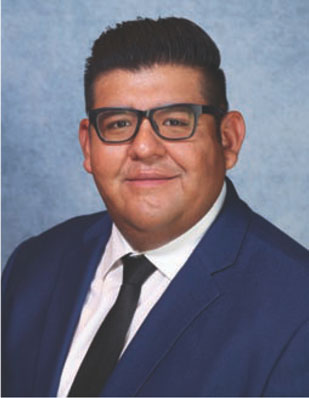
“The approach of those large billion-dollar companies is that they want to leave crumbs,” California Nations Indian Gaming Association (CNIGA) chairman James Siva said on the webinar. “Tribes have always had to work within that 60 percent. Tribal chairmen have gone to jail for not doing that.”
Rocha said he fears the Arizona and Michigan tribes are going to be “trapped” in their current deals. And states that are taking in tens or hundreds of millions of dollars in annual tax revenue won’t be in a hurry to recompact.
But in states where wagering and online casino are not yet legal, there may be a more clear way forward.
“Now we have a pathway where we can move forward and be great partners with the state,” Siva said. “The tribes in California have always said we need our needs and wants laid out for us. There is a little bit more clarity. But it’s still going to be difficult and expensive.”
How the current situation could affect tribes in other states, and how tribes can and will move forward, will differ. Here’s a look:
California
California is considered the largest tribal gaming state in the U.S. There are 100-plus federally recognized tribes that operate nearly 70 brick-and-mortar casinos.
In 2022, the tribes were hoping voters would legalize in-person betting at casino sportsbooks and four horse racetracks. But commercial operators, including the two biggest by market share, DraftKings and FanDuel, had other ideas. Seven major operators banded together on a ballot initiative to legalize digital wagering.
Only the biggest operators would have qualified under the initiative to enter the state. But the language in the proposal didn’t appeal to tribal leaders, who felt that their exclusivity and sovereignty would be compromised.
California’s tribes spent a quarter of a billion dollars to defeat the initiative, killing their own in the process. Nearly two years removed from the vicious fight to protect their sovereignty, the Supreme Court’s choice represents another tool for California tribes.
But don’t expect legal sports betting—retail or digital—any time soon. Any expansion of gaming in California must go to the voters. The first opportunity to do that will be in 2026. James Siva, chairman of the California Nations Indian Gaming Association, said on “The New Normal” that Indian Country isn’t ready to commit to a 2026 initiative, and that the state’s tribes will continue to be “methodical” about legalization.
Minnesota
Minnesota has 11 federally recognized tribes that comprise the Minnesota Indian Gaming Association (MIGA). That group just finished an exhaustive legislation session in which digital betting was not legalized. The state is dealing with multiple players—horse tracks, charitable gaming and the tribes. Brokering a deal has proved elusive.
With 11 tribes, it may be easier to get consensus. Like in California, Minnesota tribes have a legal right to exclusivity, and the new BIA rules interpretation and SCOTUS choice could give the tribes more leverage. It seems a very real possibility that a Seminole-style situation could work in Minnesota.
Earlier this year, Minnesota’s legislature failed to legalize sports betting despite a valiant effort by Rep. Zack Stephenson to bring stakeholders together. The state’s House has been supportive of a tribal monopoly, but the Senate has pushed to include the state’s racetracks in any legislation. Stephenson’s 2024 compromise would have given the tracks an annual payment from gaming, but not the right to digital gambling. It also would have paved the way for tribal-commercial partnerships.
In the new landscape, Crowell said Minnesota tribes should “take a serious look” at how the latest interpretation of IGRA could help them to retain exclusivity.
Oklahoma
With 39 tribes operating about 130 land-based casinos, Oklahoma has more tribal gaming locations than any other state. But it does not have legal sports betting or online gambling, and likely won’t until Governor Kevin Stitt is out of office. Stitt’s relationship with the tribes is, at best, fraught and, at worst, fractured. Tribes there have previously said they will wait until Stitt term-limits out to even try to legalize. Elected in 2019, Stitt is in his second term, which ends in January 2027.
Even in the latest landscape, Oklahoma tribes would still have to compact with the state for online gaming. So for now, it’s likely the status quo will remain.
When the time does come to open the compacts with a more tribal-friendly governor, Oklahoma tribes will have much work to do. In California, every tribe has the right to negotiate a compact with the state. Oklahoma tribes must negotiate as a group. It is a one-size-fits-all approach that could give the tribes leverage, but also requires every tribe to agree to the same terms.
Litigation May Loom
Back in Florida, the Seminoles are offering online sports betting via their Hard Rock Bet platform. The 2021 compact also gave them the right to offer ball and dice games in their retail casinos, so games like craps and roulette are now legal. The compact also lays the foundation to add online casino.
While West Flagler has exhausted its federal options to fight the Seminoles, it could revisit litigation at the state level.
The parimutuel last autumn filed a case in Florida’s Supreme Court, but the court declined to hear it. WFA skipped the traditional process in Florida and went directly to the state Supreme Court. In denying the petition, however, Florida justices left open the door for WFA to file in Leon County court and work its way through the system. Should that happen, Florida’s Supreme Court could again consider whether or not to hear the case.
At the heart of WFA’s argument is the idea that the state—meaning Governor Ron DeSantis and the legislature—and the tribe illegally compacted. In 2018, voters passed Amendment 3, which requires any expansion of gaming be decided at the polls. WFA contends that the compact and the legislature’s approval of it violate state law.
“The decision of the Florida Supreme Court earlier this year denying (WFA’s) writ petition does not prevent the card rooms (pari-mutuels) from filing in Florida’s lower courts,” Crowell said. “That litigation does not threaten the national impact of (the) SCOTUS decision, however.”