
Rooting Out Unregulated Operators

Chris Hebert, Chairman, Louisiana Gaming Control Board
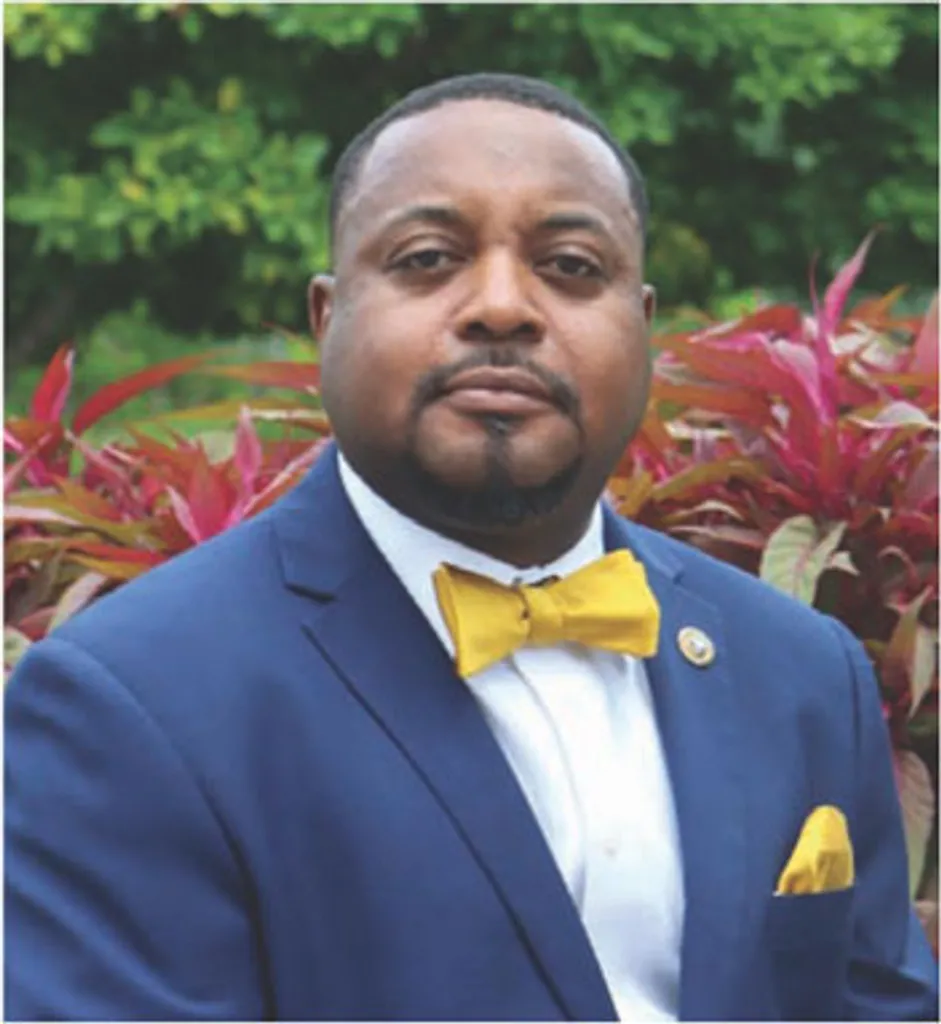
Integrity. Efficiency. Economic impact. Those are the goals for the first year for the new chairman of the Louisiana Gaming Control Board (LGCB), Chris Hebert.
Being the first of anything can be daunting, especially when it means taking on a large government bureaucracy. But for Hebert, the first Black man named chairman of the LGCB, you could say his career led him to this point of success.
“I am both humbled and honored that Governor Landry has tapped me as the first African-American chairman of the Louisiana Gaming Control Board, and I vow to continue the hard work of previous chairmen in ensuring that gaming is free from criminal and corrupt elements,” Hebert said in a news release when his appointment was announced in June.
“Proper regulation of the gaming industry is crucial at a time in which gaming revenue continues to be a substantial part of our state’s economy. We will continue to regulate in a fair manner which ensures that our gaming licensees are able to operate in an environment that generates healthy revenue for the state through economic development.”
That focus on keeping the gaming economic engine running means Hebert will focus on ensuring the regulatory framework upholds ethical practices to maintain public trust in the gaming sector.
Hebert said one of his primary goals in the coming year is to expand programs and resources that support responsible gaming, including education and partnering with organizations that address problem gambling. He also said he wants to modernize the regulatory infrastructure to better address emerging trends in gaming.
“The focus of my leadership will be on fostering a balanced and forward-thinking approach to gaming regulation that prioritizes integrity, economic growth and community well-being,” he said.
It did not take Hebert long to live up to his statement when barely two months later the board sent a cease-and-desist notice to Harp Media B.V., the parent company of Bovada, a Curaçao-based unregulated sports betting and iGaming operator, to stop offering services in the state of Louisiana.
“It is my sincere hope that Louisiana will join the list of restricted states based on our letter, but also that soon the federal government will use its resources to crack down on companies that don’t have in place the regulatory, legal, and financial safeguards necessary to operate within the U.S. betting market, not to mention the lack of protections for our citizens in the area of responsible gaming, or any contributions to economic development in the state of Louisiana,” he said at an August board meeting.
“I am deeply committed to ensuring the integrity of regulated gaming in our state,” he said. “Our board operates with a dual focus: enhancing Louisiana’s regulated gaming industry to maximize its economic and community benefits while protecting our citizens from the risks posed by unregulated and illegal gaming markets.
“Gaming in Louisiana is not just about entertainment or revenue—it is a vital part of our economy and community fabric. Through responsible regulation, we ensure that gaming contributes to job creation, tourism growth and state revenue while safeguarding the interests of our citizens. My office is committed to staying innovative and forward-thinking to meet the evolving needs of this dynamic industry.”
Before taking over the LGCB, Hebert was an assistant attorney general for Louisiana for nearly 20 years, and is the former director of the Gaming Division. He is a graduate of Louisiana State University, and earned his law degree from Southern University Law Center.
He was instrumental in creating the Problem Gambling Resource Services program, which was led by the Louisiana Department of Justice, Gaming Division, in partnership with the Louisiana Department of Health, Office of Behavioral Health, to bring awareness to the legal community about problem gambling and the free gambling treatment services available for all Louisiana residents.
He is a current member of the International Masters of Gaming Law and the Council of the Louisiana Law Institute.