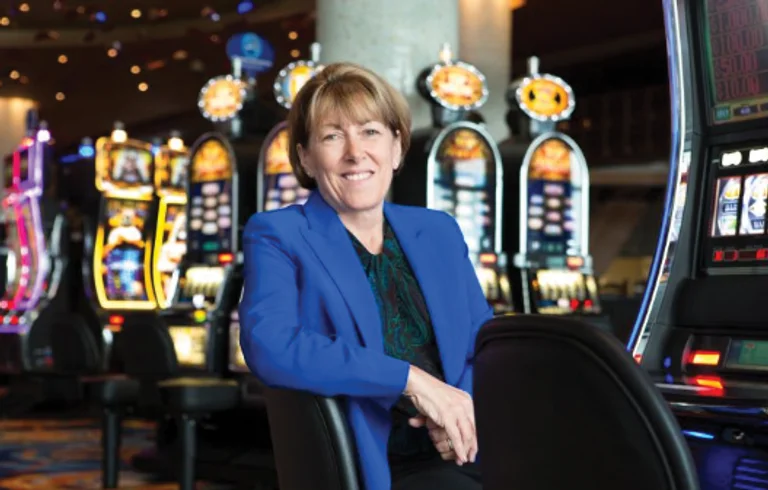
Jan Jones Blackhurst

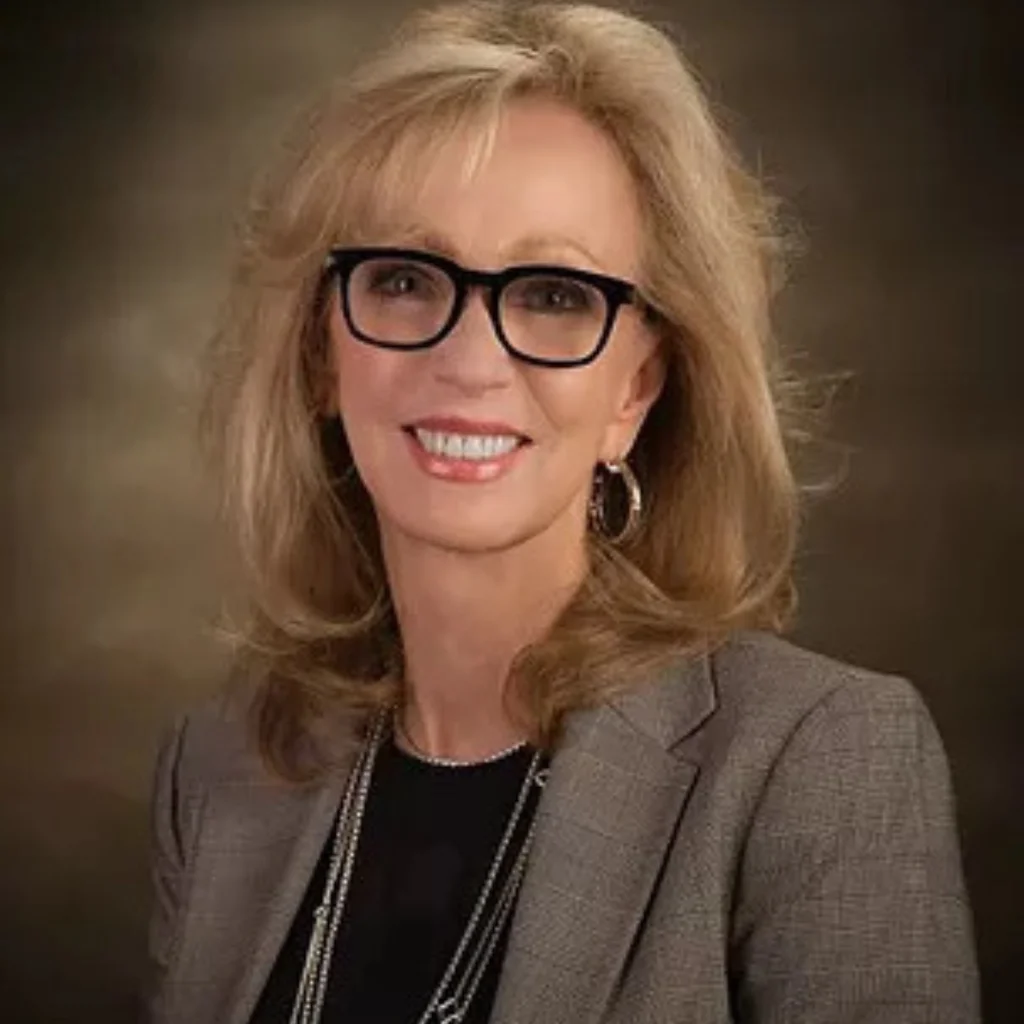
Jan Jones Blackhurst is a seminal figure in the history of Las Vegas. She came to Las Vegas in 1971 helping her father and later her then-husband to grow their businesses. In 1990 she was elected as the 20th mayor of Las Vegas—and the first female in the position. She ran for governor of Nevada two times, losing by narrow margins in 1994 and ’98. After leaving politics, Blackhurst joined Caesars Entertainment, where she pioneered the industry’s first responsible gaming practices, advocating for an ambassador model and implementing a code of commitment that set new standards for integrity. She operated the Caesars Foundation, managing corporate gifts and philanthropic activities totaling $66 million, highlighting the profound impact that business can have on society when guided by a sense of purpose and compassion. She still serves on the board of Caesars Entertainment. Blackhurst sat down with GGB Editor-at-Large Roger Gros in May for another in the Gaming Legacy Podcast series. To hear a full version of this podcast, visit GGBMagazine.com.
GGB: Let’s talk about the beginning of your experience in Las Vegas. What brought you here?
Blackhurst: I first came to Las Vegas in 1983. I grew up in Southern California, went to Stanford University, and stayed in Northern California for a decade. In 1983, I was working for my family’s business, which was supermarkets—Thrifty Markets Mart, Smart and Final. We had four stores in Las Vegas which made a tremendous amount of money on our 48 slot machines, but not a lot of money selling groceries. My father said, “We’re not in the business of gambling, we’re in the business of groceries. I need you to go to Las Vegas and see what we need to do to differentiate our stores from what else is in the market.” I said I’ll go for one year. And now more than 40 years later, I’m still here.
There were no female mayors of Las Vegas until you were elected. How did you get the support of the casino owners?
I couldn’t really raise a lot of money when I was running, because everybody thought I was so far behind. The incumbent city councilman who was also running was very popular. So who gave me money for the gamblers? Bobby Baldwin, Steve Wynn, not Jack Binion so much. Bob Stupak… Because what do gamblers do? They place a bet on the longshot. Steve had just opened the Mirage. He wanted a different image for Las Vegas. He was investing a lot of money, and he thought a woman with a Stanford degree was a better look than what we’d had in the past. And so he placed a bet.
I think when I was elected, they weren’t really sure how to deal with me. But I was raised in business by my father and I wasn’t really afraid of anybody. And when they see you’re not afraid and you’re willing to work with them, you can put yourself at the table.
Downtown Las Vegas was struggling when you became mayor. What was the solution?
We really were struggling. In the past, 80 percent of the people who visited Las Vegas made one trip Downtown just to see old Vegas, Fremont Street. When I was elected, only 20 percent of the people from the Strip went Downtown. But even that number was going to drop because the Strip was beginning to blow up the old properties and build new resorts. So we had to come up with something that gave a reason for people to want to go Downtown. Everybody said we’d never be able to do it, but we did. We pulled together all the Downtown owners—Jeanne Hood, Jack Binion, Jackie Gaughan, Steve Wynn, Bill Boyd. These were big personalities. And we looked at everything—Star Wars, Venice Canals, and finally, Steve hired Jon Jerde, who came up with Fremont Street Experience. It was brilliant because it created basically the world’s largest casino in a covered, safe environment. So it didn’t benefit just one, it benefited everybody.
How did you get involved with Caesars?
I was sort of working with the convention authority at that time, and Phil Satre, who was a classmate of mine at Stanford, had just relocated with Harrah’s to Las Vegas from Memphis. They were Holiday Inn at that time, and he called me and said, “I’m hiring this new position. It’s going to be head of all communications, head of all government relations, and head of all corporate social responsibility. Would you be interested?” And I thought, well, that’s sort of what I’d been doing all along, communicating corporate and social responsibilities. So I said yes, and it turned out to be one of the best jobs and careers I could ever imagine. I traveled all over the country and the world explaining to people what integrated resorts were. We talked about why gaming is really something that’s great for communities. It brings people together. It starts economic development and investment. It creates jobs, it has entertainment. Everybody thinks the gaming industry is just entry-level jobs like a craps dealer or a cocktail waitress. Not right. There are probably 150 different careers inside these buildings, from engineers to techs, to cybersecurity, to horticulture specialists to sous chefs and head chefs. It’s a wonderful opportunity.
You also were instrumental in the industry addressing corporate social responsibility.
It was the first project I took on when I went with Caesars. They had started the first responsible gaming initiative. We came up with a campaign that really talked to people about what a responsible company was, and so it became the code of commitment to our customers to be responsible, to our employees to offer fair jobs with growth potential, and to our communities to give back, because we were doing it anyway, but nobody was telling the story.