Anika Howard

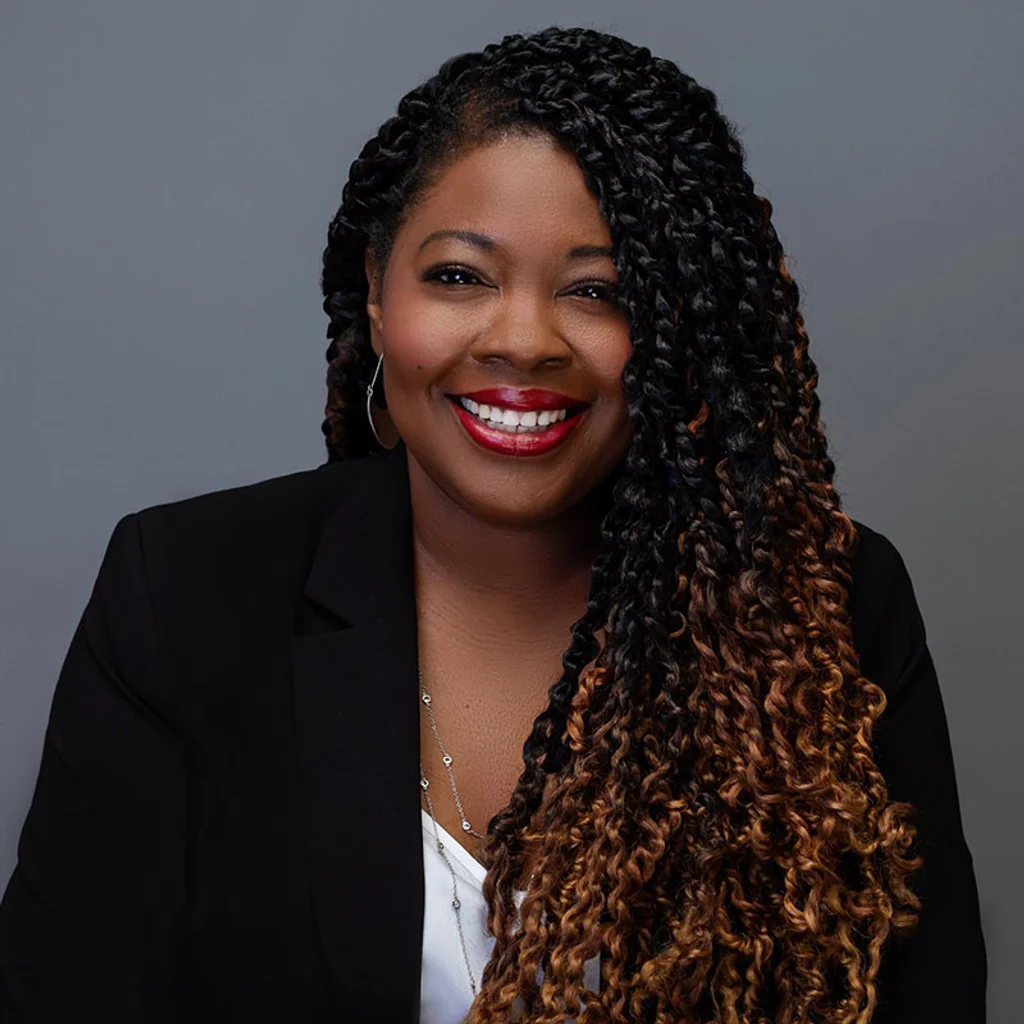
WondrNation is the formal company organized by the Mashantucket Pequot tribe, owners of Foxwoods Casino Resort in Connecticut. The tribe was one of the first to get into online gaming with a social casino, but now has the full complement—social, online sports betting and casino, in partnership with DraftKings. When creating WondrNation, the tribe turned to veteran casino executive Anika Howard, who has worked for Foxwoods, Caesars and IGT. She has developed a very dynamic and diverse company that not only runs all the Foxwoods online products but also contracts with other tribes to develop their online presence. She spoke with GGB Publisher Roger Gros in the Portrait Gallery of the Mashantucket Pequot Museum and Research Center in Connecticut in July. To see and hear this interview as a GGB Podcast, visit the podcast article.
GGB: Congratulations on the success of WondrNation. Explain how WondrNation was formulated and how its goals were set.
Howard: The genesis of WondrNation was during Covid. Many companies and many tribes started to reevaluate just where their revenues were coming from and how to diversify. And during that time, we started thinking about whether we should expand into online gaming when sports betting became legalized. In the state of Connecticut, we started with the assumption that we wanted to be able to have a broader view. So working with tribal leadership leaning on me to hone in on a vision, we really wanted to expand beyond just gaming. So when we talk about WondrNation, it focuses on anything beyond the physical experience—to imagine what the experiences are from an interactive or augmented reality space that you can overlay to enrich those experiences. So it’s really looking at how you reimagine gaming. How do you reimagine technology and use it as an enabler to extend the experience for our players and guests?
What are some of the services that WondrNation offers?
It’s one of those things that has evolved. When we look at the professional services arm, a lot of it is strategy—like how you build out the strategic vision and create an integrated plan. A lot of the work is with social gaming and social casino, simply because we are good at that. And then we move on to marketing strategy for real-money gaming. For example, if you’re trying to decide how to get into that market, we focus on market access and partnerships. How do I integrate from an interactive perspective? Do I do social? Do I do on-premises gaming? If you want to do an audit of your current operations, what are the things that we can do? We primarily focus on tribal nations first to help evolve the industry with this technology-first mentality.
Foxwoods has been in social gaming for a long time; it was one of the first tribes to get into that business. How did that strategy evolve over the years?
Initially, the premise for social gaming was that it was going to be the foundational piece that would get you ready for real-money gaming. Get that up and running, then you flip a switch and magically you’re in real-money gaming. So I think it’s still very much is a proving ground, a ground for expanding your players’ experience when they leave your casino.
What we are finding now is that it’s kind of evolved into an integral part of the way you communicate with your players. It’s tied into our loyalty program in a way that we can extend some of the non-gaming offerings that we’re providing. Or it is a way for you to share some of the different experiences and cross-promote. But it’s also an opportunity to reactivate players.
Have you been able to migrate social casino players to the real-money casino and then also the land-based casino?
It’s interesting. This is probably an unpopular opinion, but I don’t necessarily see social casino players as this great database of players that are then going to migrate. What we find is that there is a subset of players that are your super users who like the experience and like your brand, and they’re going to consume whatever you give them. They’re going to play social, they’re going to play real-money, and they’re going to play land-based. But what we find is that players very quickly delineate what their preference is, and what we find is that when social casino players have a preference for social casino, it’s not necessarily about the same thing that motivates someone to play real-money. It’s about the community. It’s about the quest. It’s about some of the other social aspects of the game. There’s a very small crossover to real-money, but not as big as we anticipated.
The debate about whether iGaming makes land-based casino revenues suffer has been revived recently. Is that the case at Foxwoods?
I think it’s mixed. When you look at online gaming and land-based gaming, it’s not just a direct correlation once you have online. I always say that online fundamentally expands the market. When you look at the revenues that online gaming is generating, especially in New Jersey and some of the other places, it definitely expanded the overall market. Is it giving players a choice? Sure, and some people are choosing online over land-based. But my maybe unpopular opinion is that you’re going to lose those players anyway. What we found with Foxwoods is that people have different preferences. You also have other competitive forces. And some people are choosing to do things other than gaming. So there are a lot of things that are causing shifts in behavior that are changing the dynamics of land-based. Is some of it online gaming? Possibly, but not something that is detrimental.