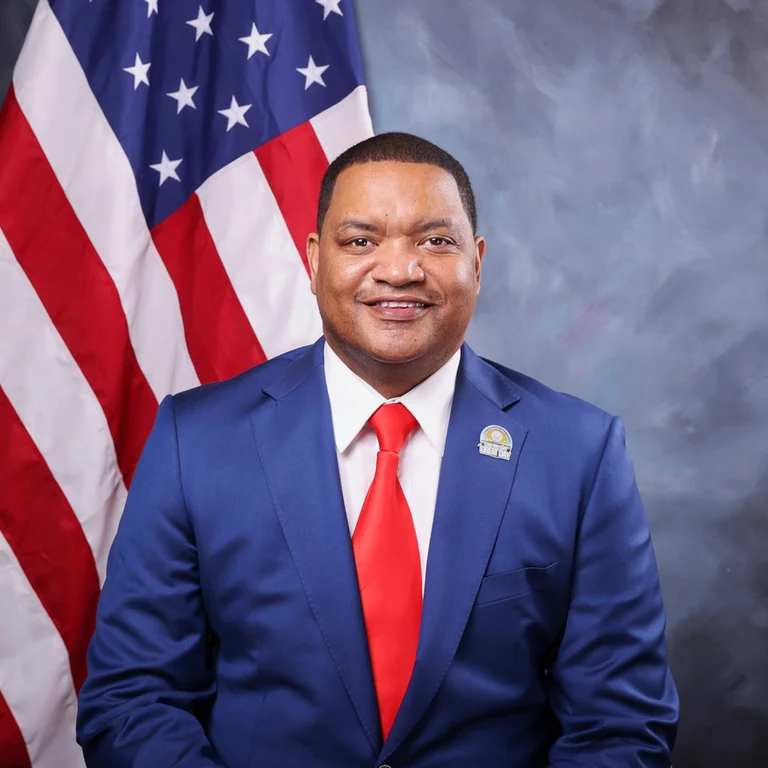
Alex Fonseca

Chief Executive Officer, Superbet Brasil
As CEO of Superbet Brasil, Alex Fonseca is tasked with creating a market-leading brand in a nascent market. He discusses building Superbet into a market leader, as well as the responsibility of the first wave of licensees in Brazil to shape a sustainable betting market and safeguard the industry’s future. GGB Publisher Robin Harrison spoke with Fonseca at the recent SBC Summit in Argentina. Read the full interview with Fonseca in the iGB Brazil report, available on igamingbusiness.com
GGB: You’ve already taken a brand from zero to being highly recognized in Brazil, and now you’re doing it all again. What’s the attraction of repeating the process?
Fonseca: I’m sure that I can do it better. It was a successful story with Betano; I’m proud of it, and I’m sure that Kaizen is still very happy about what we have built in Brazil. Now I think Superbet has the potential, first, to be a much stronger brand.
Second, I think the company overall has much more willingness to actually go deeper localizing in Brazil and to make even longer commitments to the market, which is important for me. When I look at that, I do not only think about the business itself commercially, but I also carry with me some of the responsibility of helping to shape the market and the iGaming industry in Brazil for the long term. And you need a company that supports you for that sort of commitment.
This, among many other factors, was one of the main factors that made me consider moving to Superbet. If you see what Superbet has done in Romania—the impact it has on the society, on the regulatory framework in Romania, its leadership and its size, its market share—it’s impressive. If we can repeat that in Brazil to the benefit of the society and the benefit of the iGaming industry, this is going to be a great achievement, for sure.
There are a lot of aspects to your role in making Superbet—and by extension, the industry—endemic in society, whether it’s the commercial element, social responsibility or the political element. Is that what you’re referring to when you talk about making it integral to society?
Unfortunately, this industry has stayed unregulated in Brazil for too long, and given the lack of regulation in Brazil, there was a multiplication of small operators, some of them not committed to responsible gaming or the best practices against money laundering.
In late 2024, the industry was making the news in a bad way about addiction, about money laundering, about several practices which we do not support. As an industry, we have to keep it live, and then we have to protect the industry itself. So sometimes again, I must not look from the business perspective, but also what is the most sustainable approach industry-wide.
What sort of moves do you feel the wider industry should be making to keep things sustainable?
I could mention a couple, but mainly meaningful actions to support responsible gaming practices. Also, from the operator side, how do we protect the mental, physical and financial integrity of our players? I would say this is the first priority. And how you do that thinking 10 times about what sort of messaging you are giving on a TV commercial—as, for example, you cannot take an aggressive approach in wording or a more compelling message. I think we have to somehow hold ourselves on the message that we give, knowing that it can be dangerous to a certain part of our audience if we’re too compelling in there.
I take alcohol in Brazil as a good example. Everyone knows that alcohol is not good for your health. It’s not beneficial to you, but it puts you in a little lighter mood and can make things more fun. So if you want to drink, drink responsibly, but know that alcohol is not the best thing you can ever drink.
This is the sort of positioning that we have to create to this industry. Imagine if a beer company comes on TV today saying, “Hey, alcohol is great, beer is great for your health, drink 20 a day.”
Let’s suppose they could do it. It would be a lack of social responsibility for them, because they know what they are selling is not true. It’s the same for us, and we have to be careful, because by doing that proactively we avoid the government actually taking heavy-handed measures unilaterally. We protect the industry, and we keep it sustainable without overregulation because the industry shows itself as a responsible sector that cares about player care.
Now that the market is live, how do you think the Secretariat of Prizes and Betting is performing as a regulator? Do you feel they’re quite collaborative and responsive to the industry?
They are. They’re participating a lot and actually being very open to communication with the industry, hearing feedback, hearing our issues and addressing them, for sure. But of course when you think about governmental timelines, they’re much longer than the commercial businesses. So you have to also respect their timelines.
They must be triple sure that something is actually accurate before they actually make a decision or change something, and it has to be like this—otherwise you also create regulatory instability.