Tale of Two Casinos

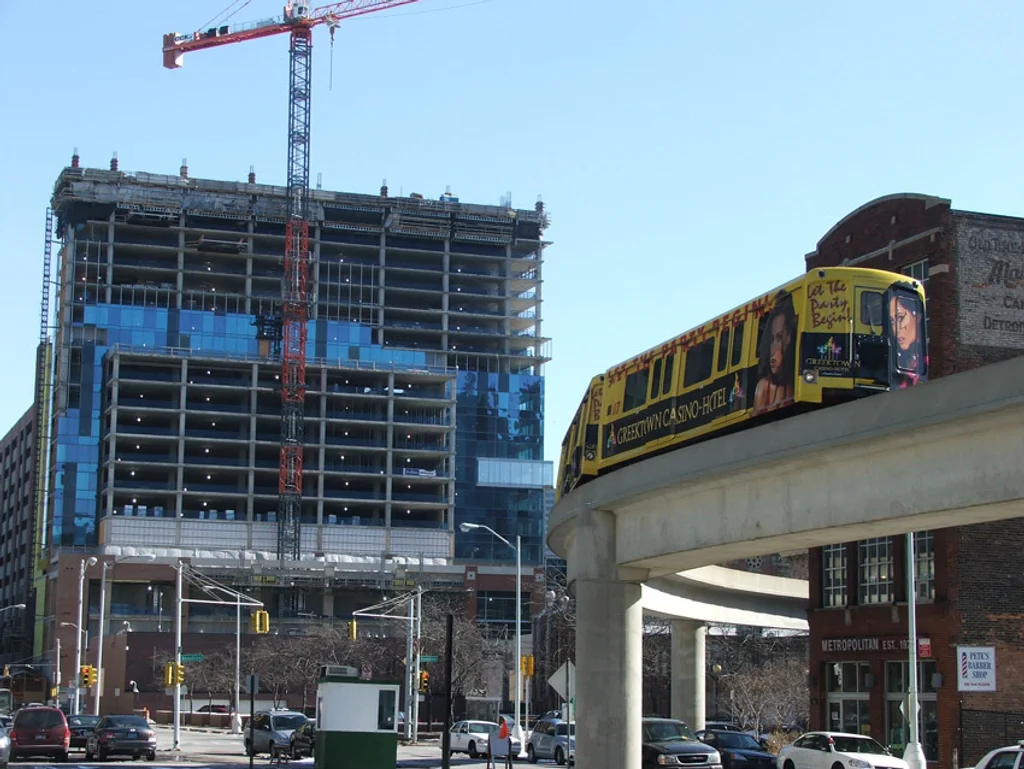
Two casinos went different ways last month in response to financial troubles.
In Michigan, a bidder reportedly is offering $1 billion for the Greektown casino in Detroit, and several unidentified groups are negotiating to buy at least a partial interest in the Sault Ste. Marie Chippewa tribe’s commercial casino. The Michigan Gaming Control Board said last month it might put the casino up for sale if the owners cannot raise enough to finance construction of permanent facilities by April 30.
Greektown spokesman Brian Brown told a control board meeting negotiations are under way with entities he would not name. “We are confident these negotiations will produce a positive outcome very soon,” he said following the hearing.
Greektown needs at least $79 million from an equity partner or other source to meet undisclosed income-to-debt ratios regulators set in 2007. The operators don’t expect to match those for this year by target dates, either, although the casino remains profitable.
In Indiana, repercussions of the New Jersey decision to remove the gaming license of Tropicana Resorts has filtered down to the state.
At a meeting of the Indiana Gaming Commission last month, Tropicana’s parent company, Columbia Sussex, announced it had sold its Aztar riverboat in Evansville to Reno-based Eldorado Resorts. The sale short-circuited a possible commission move to pull the company’s Indiana license, which would have resulted in a sale similar to New Jersey, where a conservator is running the Tropicana and conducting a public sale of the property. Columbia Sussex will not be allowed to make a profit on any sale of the Atlantic City property.
Still, the commission appointed a trustee to run the property until the sale to Eldorado is completed. Former Harrah’s executive Robert “Tom” Dingman will serve as trustee to handle the day-to-day operations of the Aztar property. Tropicana will retain authority to make significant decisions such as incurring debt and settling lawsuits.
Eldorado will pay $245 million for Casino Aztar. The company will pay Columbia Sussex $190 million in cash, a $30 million note and $25 million in earnings incentives. Columbia Sussex said it will use the revenue to pay off debt.
Like New Jersey, Columbia Sussex’s reign in Evansville was bumpy from the start. After finalizing the purchase of Aztar, the company announced it planned to lay off 70 casino workers in early 2007. Evansville Mayor Jonathan Weinzapfel asked the state gaming commission to investigate the company, alleging it was violating state standards. The investigation was suspended when New Jersey pulled the company’s license to operate the Tropicana in Atlantic City.
Eldorado’s Reno namesake is its flagship hotel. It also has a half-interest in the adjacent Silver Legacy (with MGM Mirage), and operates the former Hollywood Casino in Shreveport. And it recently reached a deal to take over the Legacy Casino in Bossier City.